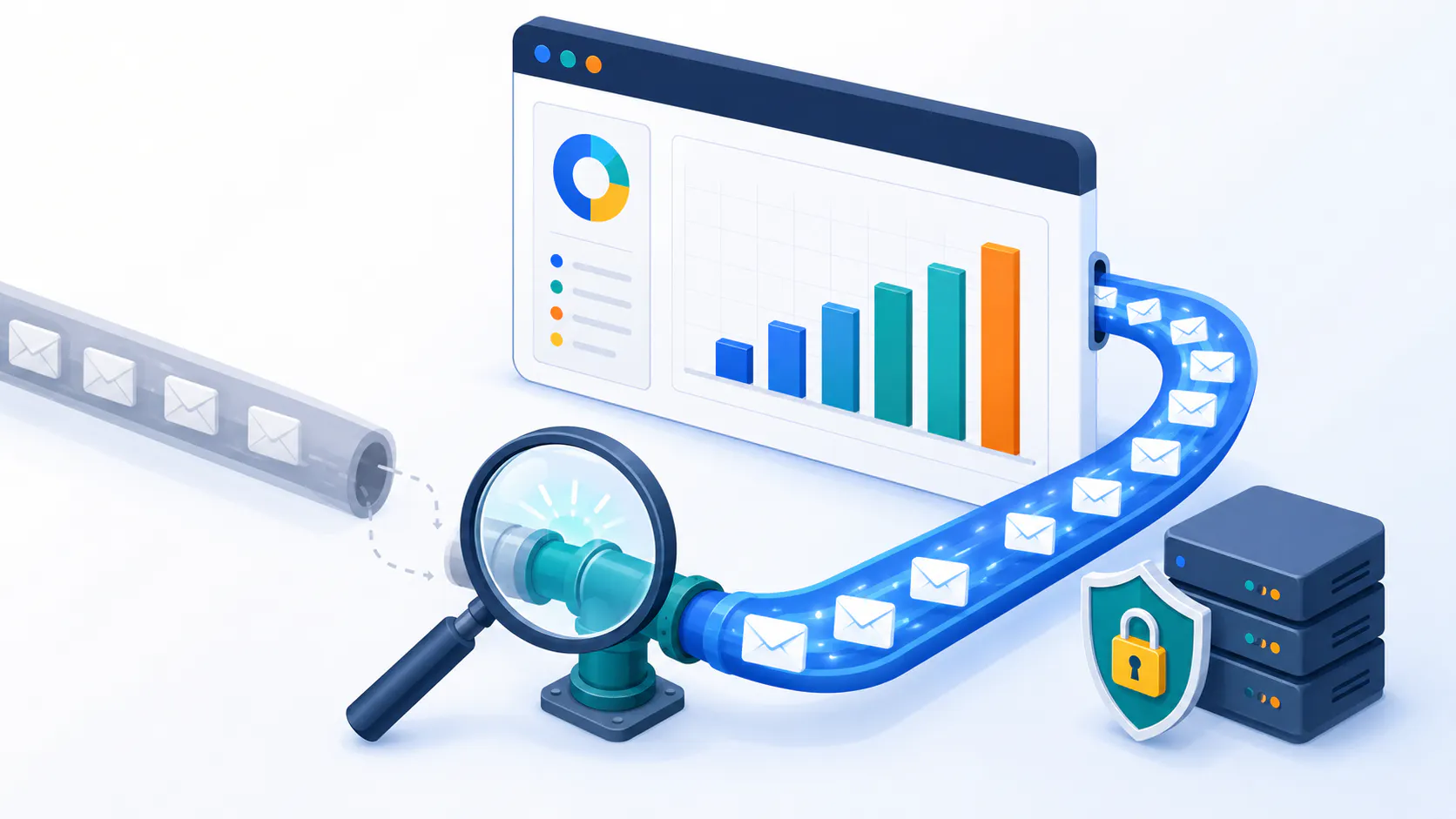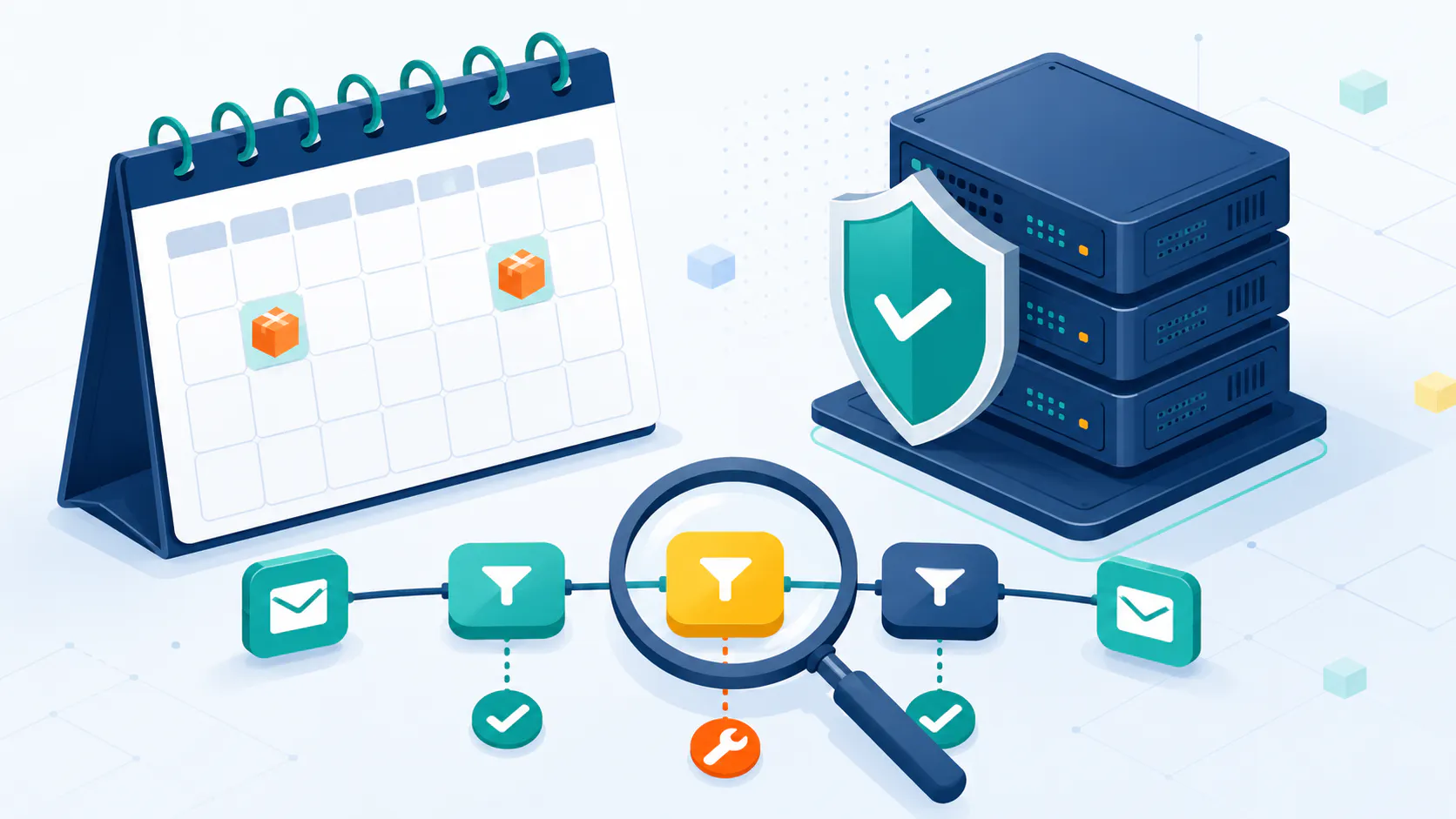

Optimizing your email campaigns is essential for better performance. In this article, we’ll share 11 effective email campaign optimization strategies to help you boost engagement and get more from every send.
Understanding Email Campaign Optimization
An illustration representing email campaign optimization concepts
Email is a key part of modern business marketing. It’s personal and cost-effective and contributes to marketing success. Email marketing engages and retains customers and converts email recipients.
But sending emails isn’t enough; optimizing them makes them effective. E-mail campaign optimization is about targeting, personalization and testing to get better results.
Why is Email Campaign Optimization important?
Aligning your email strategy with your business goals means your efforts will contribute to growth and success. Following email campaign optimization tips will get you better campaign performance, more customer engagement and more revenue.
Optimizing email components will get you more click-through and conversion rates, and these will give you more opportunities to convert readers into leads. Testing regularly will improve your campaigns, and optimizing based on performance data will get you much higher conversion rates.
The ROI for email marketing in 2025 is $36 for every dollar invested, so it’s more effective than social media for conversions. Now let’s get started with the tips.
Have a Clean Email List
A drawing illustrating the building and maintaining a quality email list in email campaign optimization
A clean and targeted email list means your messages get to the right people and get better results, which is the key to successful email marketing campaigns.
How to Grow Your Email List
There are many ways to get subscribers. Incentives like free resources or discounts entice people to sign up for your email list. Promote your email list on social media platforms to attract new subscribers and expand your reach.
Contests and engaging visual content in social media bios can encourage people to sign up for your newsletter or email list. Co-marketing with partners can introduce you to new audiences and increase email sign-ups through shared marketing channels.
Collecting emails at in-person events allows you to nurture leads with personal follow-up.
Additionally, integrating landing pages and opt-in forms on your website can effectively capture email addresses from visitors interested in your content or offerings. These forms should be strategically placed and designed to encourage visitors to provide their information, thus growing your email list efficiently and effectively. A well-crafted landing page can significantly improve conversion rates by directing email recipients to a tailored destination, reducing bounce rates and increasing the likelihood of capturing email addresses.
List Hygiene
List hygiene makes your email campaigns work well. Clean your email list regularly by removing inactive subscribers to reduce bounce rates and get better deliverability. Email list verification tools such as Cleanify.io can help you with that! A double opt-in process ensures the emails collected are valid and belong to real people.
Removing inactive subscribers regularly will get you more engagement and better sender reputation. A simple unsubscribe link will reduce spam complaints and get you better sender reputation.
Email Deliverability Best Practices
Email deliverability means getting your emails into the inbox. It affects overall engagement and is key to email success. Inbox delivery and bounce rates will improve email deliverability.
Ensuring Emails Reach the Inbox
Authenticate your email domain with SPF and DKIM to establish sender credibility and get better deliverability.
Remove inactive users from a clean email list regularly to get more engagement and better sender reputation. A dedicated IP will stabilise sender reputation especially for high volume senders. Metrics like opens and clicks are key to determining sender reputation. Email authentication will increase credibility and get you more inbox delivery. 85% is good, 98-99% is optimal.
SPF, DKIM and DMARC protocols verify the email and get you better deliverability.
A double opt-in process gets you better list quality by getting genuine subscribers. Sender reputation and list hygiene affects email deliverability.
For more tips to keep your emails out of the spam folder, continue reading here: Top 14 Ways to Prevent Emails from Going to Spam
Bounce Rate Management
Monitor both hard and soft bounces as they can harm sender reputation if not addressed. High bounce rates will harm sender reputation and overall deliverability. Clean your email list regularly to reduce bounce rates by removing invalid emails.
Soft bounces are due to full mailboxes or server timeouts, hard bounces are due to invalid email addresses. Double opt-in forms for subscriber sign ups will reduce high bounce rates.
Verify and clean your email list regularly to maintain hygiene and manage bounce rates.
Ensuring GDPR Compliance in Email Marketing
Ensuring GDPR compliance in email is crucial for businesses that operate in the European Union. Here are the steps to ensure your email marketing efforts comply with GDPR regulations:
Understand GDPR Regulations: Familiarize yourself with GDPR regulations and how they apply to e-mail marketing. This will help you understand your responsibilities and avoid potential fines.
Obtain Consent: Make sure you obtain explicit consent from your email subscribers before sending them marketing emails. Use clear and straightforward language to explain what they are signing up for.
Provide Unsubscribe Link: Include an unsubscribe link in every marketing email. This allows subscribers to opt-out of future emails easily and helps you maintain a clean email list.
Keep Records: Keep detailed records of your email subscribers, including their consent and any unsubscribe requests. This documentation is essential for demonstrating compliance with GDPR.
Use Secure E-mail Marketing Software: Choose e-mail marketing software that meets GDPR requirements. Ensure that the software you use has robust security measures in place to protect subscriber data.
Train Staff: Train your staff on GDPR compliance and e-mail marketing best practices. Make sure everyone involved in your email marketing understands the importance of compliance.
Regularly Review and Update: Regularly review and update your e-mail marketing policies and procedures to ensure ongoing GDPR compliance. Stay informed about any changes to the regulations and adjust your practices accordingly.
By following these steps, you can ensure that your e-mail efforts are GDPR compliant, protecting both your business and your subscribers.
Segment Your Email List
An infographic illustrating the concept of segmenting in email campaign optimization
Email segmentation divides your recipients into smaller targeted groups based on demographics and behaviour. Crafting attention-grabbing subject lines for each segment and directing email recipients to relevant landing pages can significantly enhance the efficacy of your e-mail campaigns. Segmentation gets you more personalisation in email marketing and more relevant content and higher conversion rates.
Segmentation Strategies
When it comes to effective email marketing, segmentation is key to delivering personalized content that resonates with your audience. By dividing your subscriber list into smaller, targeted groups, you can tailor your messaging to meet their specific needs, behaviors, and preferences. Below are some common segmentation strategies that can help you enhance engagement and drive better results in your campaigns:
Segmentation StrategyDescriptionDemographic SegmentationSegments based on characteristics like age, gender, and location.Behavioral SegmentationSegments based on purchase history and brand engagement.Lifecycle Stage SegmentationSegments based on where the subscriber is in the buying process.Abandoned Cart SegmentationSegments those who showed interest but didn’t complete the purchase.Customer PersonasSegments subscribers based on different motivations and interests.Behavioral DataUses data like product interest or past purchases to craft relevant email campaigns.RFM MethodSegments customers based on Recency, Frequency, and Monetary value to improve conversion rates.
To learn how to master email list segmentation, click here.
Writing Great Subject Lines
Subject lines are the first impression and key to open rates. An optimized subject line gets attention and gets you more opens.
What Makes a Great Subject Line
Short subject lines, ideally under 50 characters, significantly enhance open rates. Effective subject line creates intrigue and provides a clear value proposition.
To dive deeper into email subject lines, check out our “Boost Opens with the Best Email Subject Lines: Proven Strategies & Examples ” article.
A/B Testing Subject Lines
A/B testing in email marketing sends two versions of an email to different audience segments. Thanks to this practice, you can determine the best performing email and subject line.
A/B test is your ally in continually improving your email marketing. A/B tests should focus on one element at a time for better insights.
Personalization
Personalization in email marketing uses demographic and behavioural data to show customization. Personalized emails get you more efficiency and more engagement., and it also gets you more relevant content and less unsubscribes.
Personalized targeted campaigns is key to getting sales through email marketing.
Learn more about personalization with Octeth here.
Using Customer Data for Personalisation
Data from previous interactions like purchase history helps you tailor the email to the recipient’s interests. Demographic data, behavioural data, company name, location, viewed pages and past purchases can personalize emails. Customer data allows you to address the recipient by name and get that personal touch. Segmentation based on demographics, purchase history and user preferences gets you more targeted communication.
Including customer names in the email content gets you more engagement by getting that personal touch. Personalised communication gets you more engagement by delivering content based on subscriber history. For example, sending formal wear suggestions to suit buyers segments email content based on past purchases.
Dynamic Content Blocks
Dynamic content blocks show different content to different segments and gets you more relevance and reader engagement. This type of content allows you to change elements based on subscriber characteristics like location or previous purchases. Dive into dynamic personalization by clicking here.
Targeted email sequences should be based on subscriber segments defined by past behaviour. This way each recipient gets content that’s relevant to them and their interests and gets you better results.
Email Design and Layout
An illustration of optimizing email design and layout for better engagement
Email design gets you the first impression and engagement. Visually appealing emails get attention and better user experience. A/B testing can include subject lines, email layout and call-to-action buttons.
Optimise preheaders and subject lines by A/B testing different options and track open and conversion rates. Images in email marketing get attention, convey information and break up text.
Mobile Optimization
Mobile optimisation gets you emails to display across devices. Nearly 50% of all emails are opened on mobile, so mobile responsive designs are a must. Mobile-optimised templates, which most of email marketing platforms provide, are key to mobile email optimisation. One of the key feature of mobile newsletters are usually big, clickable buttons.
Utilizing Visuals
Emails with images get more engagement, 65% of readers love visually rich content. HTML design, background images, custom fonts and graphics can all enhance email visuals. When choosing images for your e-mail campaigns make sure they are relevant and visually appealing. Stay on brand and choose the right visuals that fits your email message.
Call to Action (CTA) Strategies
CTAs should be big and visually standout in the email. To get more effectiveness CTAs should be visually distinct and strategically placed in the email.
One primary action should be the focus in an e-mail campaign to guide user behavior. Email messages for conversions should be short and include obvious CTAs for optimal impact.
Including clear and compelling calls to action in e-mail campaigns is vital for email marketing best practices engagement.
Actionable Language
In subject lines use actionable words like “join us” and “download”. Also use “get your free” to engage your audience. Show Me How! is a great example of a compelling CTA. Language used in CTAs should be powerful and emphasis on benefits and scarcity.
Using actionable language in your marketing emails is key to driving engagement and conversions. This will not only get more engagement but also gets you more click-throughs and higher conversions.
CTA Placement and Design
CTAs should be placed strategically in the email to get more visibility and engagement. Consider placing CTAs above the fold so they’re the first thing recipients see. Use action-oriented language in your CTA buttons to get recipients to take action.
Make CTAs visually distinct, use contrasting colours to make them stand out from the rest of the email content. Use short and clear text in CTAs to communicate the action you want the recipient to take.
Use a clean and simple email layout that guides the reader’s attention to the CTAs. Visuals like images or graphics can be used to point to CTAs and get more click-throughs.
Sender Name and Email Address
Your email sender name can have a big impact on whether recipients open an email, sometimes even more than the subject line. The sender name determines whether recipients will open an email so it’s a must for engagement.
Tips for Choosing a Sender Name
Using a company name or personal name in the sender field will establish trust and reduce the chance of being marked as spam. Including brand recognition in the sender name like including the company name will increase the chances of recipients recognising and engaging with the email.
Keeping the sender name consistent will get instant recognition from subscribers and reduce confusion. Using a brand name in the sender name will establish credibility and get more opens.
Keep the sender name short so it doesn’t get truncated in email clients.
Testing Sender Names
Testing different sender names can get you higher open rates, click-throughs and overall e-mail campaign performance. A/B testing sender names will allow you to see which display names get better open rates. Including both a person’s name and the brand name in the sender name will get more engagement especially when relevant to the message.
Consistency in sender names gets brand recognition and trust from subscribers.
Timing and Frequency of Sends
Finding the right timing and frequency of sending emails can have a big impact on engagement and overall campaign performance.
Best Times to Send
In general, the best day to send marketing emails is Tuesday. Emails sent on Tuesdays get the highest engagement. Best time of day to send is between 10 AM to 2 PM. But don’t forget to keep an eye on the behavior of your subscribers, you might want to do a test to determine the best time for you.
Finding the Right Frequency
Sending emails two to three times a week is often considered the optimal frequency for maintaining email subscribers engagement. Overloading subscribers with too many emails can lead to higher unsubscribing rates.
Businesses can find out how often subscribers want to receive emails by adding a section to the email’s footer for user preferences. Determining the ideal email frequency is crucial to keep subscribers engaged without overwhelming them.
Measuring and Analyzing Campaign Performance
A chart depicting key metrics for measuring e-mail campaign performance
Aligning email marketing strategies with campaign objectives provides a clear measure of success for each campaign. The ultimate goal of an email marketing campaign is to elicit responses from recipients leading to action on the CTA. Tracking key metrics and using analysis tools can greatly enhance the effectiveness of e-mail campaigns.
Key Metrics to Track
Open rate for automated triggered emails is 35.33%. This is a key metric as it’s a measure of subject line and sender recognition. Click-through rate for emails is 1.89%. This is a measure of how well an email engages its recipients.
Metrics are important to measure e-mail campaign performance and guide email marketing optimization.
Here are the top 14 metrics you should track.
Tools for Analysis
Popular email marketing services are Octeth, Sendloop, MailChimp, and others. Using email marketing services will simplify email list management, scheduling, response management and analytics.
To learn more about different email marketing services, read our “Top 10 Best Email Newsletter Platforms” blog post.
Google Analytics can be setup to segment email traffic from other traffic sources for better tracking.
Re-engaging Inactive Subscribers
Optimised e-mail campaigns can get higher customer lifetime value through better retention. Differentiate messaging for active and inactive subscribers to maximise engagement.
Re-engagement Campaigns
Re-engagement campaigns are to re-capture the interest of inactive subscribers. Common strategies used in re-engagement campaigns are sending special offers, product updates and asking for feedback. Effective follow-up tactics are sending more details or compelling stories to users who clicked but didn’t buy.
If a user didn’t open the first email, send an email to build trust. A sequence of emails is often better than a single re-engagement email.
Segmenting Inactive Subscribers
Defining criteria for inactivity will help you target and re-engage dormant subscribers. Defining degrees of inactivity will allow you to have customized re-engagement strategies for different subscriber groups.
Automated Re-Engagement Workflows
Automated re-engagement campaigns target subscribers who have gone inactive, with tailored incentives or personalized content to re-ignite their interest. These workflows can include special offers, surveys about subscriber preferences and opportunities for recipients to reduce the frequency of emails instead of unsubscribing altogether.
Timing for re-engagement emails should be aligned with subscriber behaviour or significant events to get the most out of them. Brand consistency and no guilt trip messaging is key to making re-engagement campaigns work and appealing to subscribers.
Automated workflows are necessary to manage re-engagement campaigns for inactive subscribers.
Email Campaign Optimization Strategies Table
To help you better understand and implement effective email marketing strategies, here’s a table summarizing key elements of email campaign optimization:
StrategyDescriptionBenefitsSegmentationDivide your email list into specific groups based on demographics and behavior.Improved personalization and higher engagement rates.PersonalizationUse customer data to tailor emails to individual recipients.Greater relevance and reduced unsubscribe rates.A/B TestingTest different elements of your email, such as subject lines and CTAs, to find what works best.Enhanced email performance and higher open rates.Mobile OptimizationEnsure emails display correctly on all devices, particularly mobile.Increased accessibility and engagement on mobile devices.Dynamic ContentImplement content blocks that change based on subscriber data.More personalized and relevant content for recipients.Re-engagement CampaignsTarget inactive subscribers with special offers or updates.Revitalized interest and increased subscriber retention.Email List HygieneRegularly clean your email list by removing inactive subscribers.Improved deliverability and reduced bounce rates.CTA OptimizationUse clear, compelling calls to action to guide recipient behavior.Higher click-through rates and conversions.Timing and FrequencyDetermine the best times and frequency for sending emails.Optimal engagement and reduced unsubscribe rates.GDPR ComplianceEnsure your email practices adhere to GDPR regulations.Legal compliance and protection of subscriber data.
By focusing on these strategies, you can effectively optimize your email marketing efforts to achieve better results and drive business growth.
Summary
In summary, email campaign optimization involves a multifaceted approach that includes understanding e-mail campaign optimization, building and maintaining a quality email list, ensuring deliverability, segmenting your audience, crafting compelling subject lines, personalizing emails, optimizing design and layout, and creating effective CTAs. Each of these elements plays a crucial role in enhancing the effectiveness of your email marketing efforts and driving better engagement and conversions.
By implementing these strategies of email campaign optimization, you can transform your email marketing campaigns into powerful tools that not only reach your audience but also resonate with them, ultimately driving action and fostering customer loyalty. Start optimizing your emails today to see significant improvements in your marketing results.
Frequently Asked Questions
Why is email campaign optimization important? Email campaign optimization is important because it gets more out of your emails and more engagement and conversions. By tweaking your campaigns you can connect better with your audience and achieve results from your email marketing efforts! How do I grow my email list? Grow your email list by offering incentives and promoting it on social media. Don’t forget to collect emails at in-person events to get more email contacts! What are some re-engagement email marketing strategies? To re-engage inactive subscribers use special offers, product updates and ask for feedback through a sequence of re-engagement emails. These will re-ignite their interest and bring them back into your community! Why is segmentation important? Segmentation is a crucial step of email marketing optimization, because it enables you to deliver tailored content that resonates with different groups, boosting engagement and conversion rates. By connecting with your audience more personally, you can achieve greater success in your campaigns! What are the best times to send email marketing campaigns? Tuesday between 10 AM and 2 PM is your best bet. Make those emails count and connect with your audience!