
Email marketing is a strong tool for building and maintaining customer relationships. However, it must be done responsibly, with the utmost respect for data privacy. Let’s dive into the data privacy laws and how to stay compliant.
Data Privacy in Email Marketing: Why It’s Important
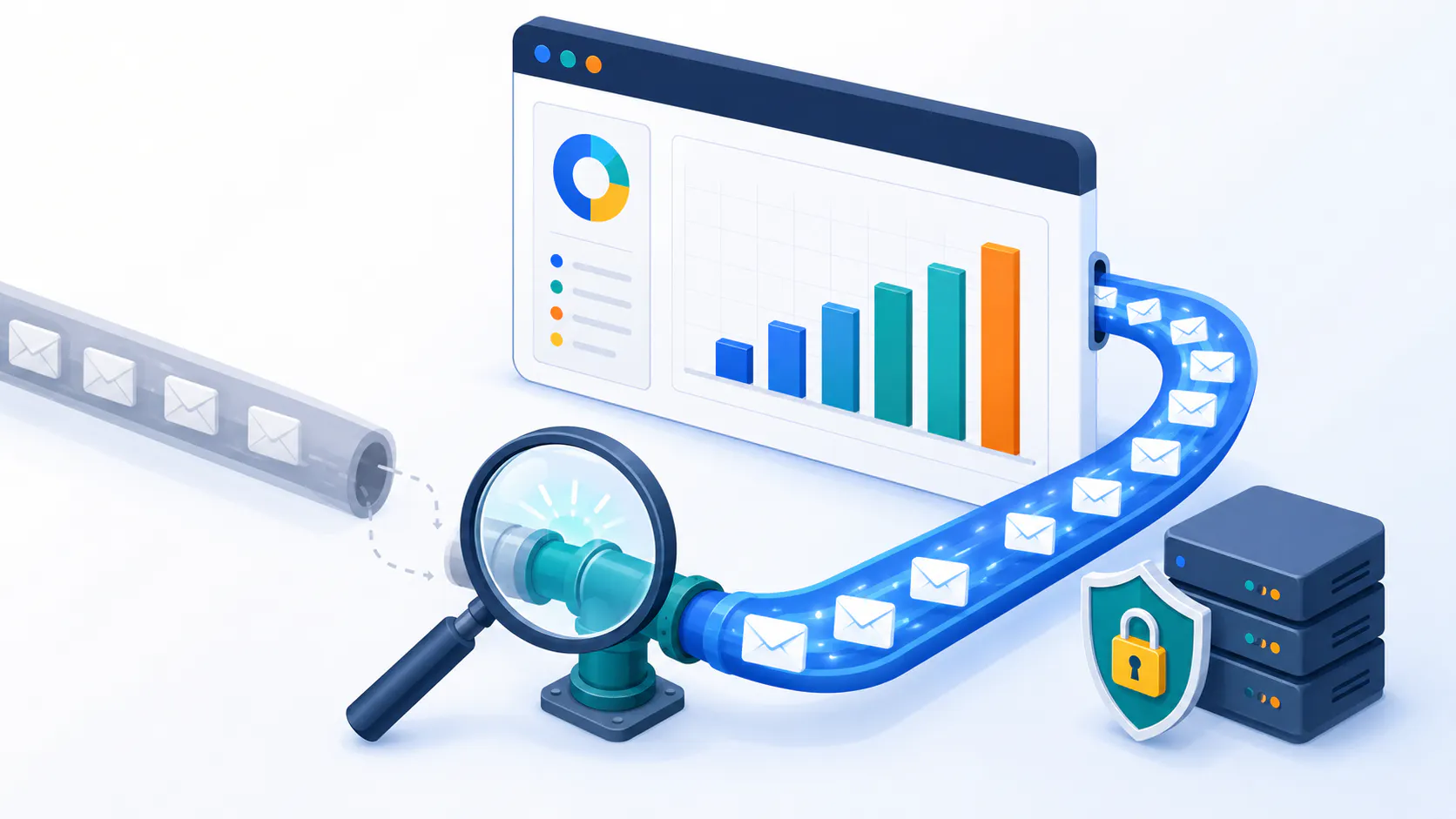
An illustration depicting the concept of Data Privacy in Email Marketing.
Two key reasons underline the need for data privacy in email marketing:
Building Customer Trust: Did you know that 81% of consumers say they won’t engage with brands that misuse their personal data? By respecting data privacy, you not only protect your brand but also build stronger relationships with your customers.
Avoiding Legal Trouble: Sticking to data privacy laws can save your business from heavy fines and reputation damage. It’s an essential part of managing business risks.
Cracking the Code: Important Data Privacy Laws
To run email marketing campaigns responsibly, it’s crucial to understand data privacy laws. The two main ones include:
General Data Protection Regulation (GDPR): Applies to all businesses dealing with EU residents’ data. Fines for non-compliance can reach up to 4% of global annual turnover.
California Consumer Privacy Act (CCPA): Focused on consumer rights in California, offering transparency and control over personal data.
Other Regulations: Other countries and states have their own data privacy laws. It’s important that you stay informed about the regulations that apply to your audience.
Data Privacy Laws Explained Simply
GDPR (General Data Protection Regulation)
This is a big set of rules for protecting people’s personal information in Europe. It applies to any company that deals with the data of people in the EU, even if the company is located somewhere else. GDPR is all about being fair, honest, and responsible with data. Here are some key ideas:
Fair Play: You have to have a good reason to collect someone’s data (like if they agree to it or if you need it for a service they’re using). You can’t trick them or use their data for something they didn’t agree to.
Stick to the Plan: You can only use data for the specific purpose you collected it for. Example: If someone gives you their address to ship a package, you can’t use it to send them marketing emails unless they said it’s okay.
Less is More: Only ask for the data you actually need. Example: For a newsletter, you probably only need an email address.
Keep it Right: Make sure the data you have is correct and up-to-date. Example: Give people a way to see and change their own information.
Don’t Keep it Forever: Only keep data for as long as you need it. Example: If someone unsubscribes from your emails, delete their address.
Keep it Safe: Protect data from getting lost, stolen, or misused. Example: Use strong passwords and encryption.
Be Responsible: You have to show that you’re following the GDPR rules. Example: Keep records of what data you collect and why.
People’s Rights
People have rights over their data, and you must be ready to honor their requests:
See what you have: They can ask to see what information you have about them.
Fix mistakes: They can ask you to correct any wrong information.
Delete it: They can ask you to delete their data in some cases.
Limit use: They can ask you to limit how you use their data.
Get a copy: They can ask for a copy of their data.
Say no: They can say no to you using their data in certain ways.
No robot decisions: They have the right to not have important decisions made about them entirely by computers.
CCPA/CPRA (California Consumer Privacy Act/California Privacy Rights Act)
These are rules for protecting personal information in California. They give Californians a lot of control over their data. Here’s the gist:
Know what’s collected: People can ask to know what information a business has about them.
Delete it: People can ask a business to delete their information.
Say no to selling/sharing: People can say no to a business “selling” or “sharing” their information (and “sharing” has a broad meaning).
Fix errors: People can ask a business to correct wrong information.
Limit use of sensitive info: People can limit how a business uses their most sensitive information.
No punishment: Businesses can’t punish people for using their CCPA rights.
Best Practices to Stay Compliant
Getting Permission: Don’t use tricks. Ask clearly if someone wants to receive emails from you. Example: “Yes, I want emails from [Company].”
Being Open: Tell people clearly what data you collect and why. Example: Use simple language in your privacy policy.
Keeping Data Safe: Use strong passwords, keep your software updated, and encrypt data. Example: Lock your computer, use a secure website for email signups.
Collecting Only What’s Needed: Don’t ask for extra information you don’t need. Example: For a newsletter, just ask for an email address.
Deleting Old Data: Get rid of data you don’t need anymore. Example: If someone unsubscribes, delete their info.
Working with Others: If you share data with other companies, make sure they also follow the rules. Example: Check their privacy policies.
Email Tips
Let people choose: Make it easy for people to manage what emails they get. Example: Include an “unsubscribe” link in every email.
Group your list: Send different emails to different groups of people based on their interests. Example: Send dog owners different emails than cat owners.
Double check signup: Send a confirmation email when someone signs up for your list. Example: Make sure they really meant to subscribe.
Building a Privacy-First Email Marketing Strategy
Now that you understand the importance of data privacy, it’s time to build a strategy that puts privacy front and center. Here’s how you can do it:
Collect Only What You Need: Avoid asking for unnecessary information. A simple email address and a name are usually enough to get started. The less data you collect, the less you have to worry about protecting.
Clear Opt-In Process: Ensure your sign-up forms are clear about what subscribers are opting into. A double opt-in process can help ensure you’re building a list of people who truly want to hear from you.
Personalization with Privacy: Personalization is key to email marketing, but make sure that any data you use for personalization is gathered with consent. Be transparent about why you’re collecting that data.
A privacy-first approach ensures you can grow your email list while building trust with your audience.
Interested in checking out more strategies to boost your campaigns? Continue reading here: Email Marketing Strategies & Best Practices
Building an Ethical and Compliant Email List
Building an email list that’s both ethical and compliant starts with transparency and respect. Here’s how to do it:
Opt-In Only: Never purchase email lists. Always ensure that subscribers are opting in voluntarily. Not only does this protect you legally, but it also helps ensure that your audience is genuinely interested in your content.
Manage Unsubscribes Properly: Make unsubscribing as easy as subscribing. This is a legal requirement in many jurisdictions, and it also helps maintain a good relationship with your subscribers.
Keep Your List Clean: Regularly clean your email list to remove inactive subscribers. This helps improve engagement rates and keeps your email practices compliant.
A healthy, permission-based list is the foundation of a successful email marketing strategy—and it’s easier to maintain when you respect your subscribers’ privacy.
Winning with Octeth’s On-premises Solution
Following international data privacy laws can be challenging. Octeth makes data privacy effortless with:
Seamless Integration: Octeth integrates smoothly with your current system, making compliance simple.
Total Data Control: Store customer data securely on your premises, ensuring full compliance.
Always Up-to-Date: Automatically stay informed of any changes in privacy laws.
With Octeth, you can be confident that your email marketing efforts are secure and compliant—no matter where your customers are located. You can learn more about Octeth here, and to explore other compliant email marketing solutions continue here: Top 10 Best Email Newsletter Platforms (2025)
Email Authentication: A Vital Aspect of Data Privacy
Email authentication is one of the most important ways to keep your emails safe and protect customer data. Here’s why it matters:
SPF, DKIM, and DMARC: These are email authentication protocols that ensure only legitimate emails are delivered to your subscribers. Without them, your emails could easily be spoofed or intercepted, putting your subscribers’ data at risk.
How Authentication Protects Privacy: By ensuring your emails are legitimate, you prevent phishing attacks and protect sensitive customer data. If your email account is compromised, hackers could misuse your customer data and cause serious harm to your business and reputation.
Setting up these protocols in Octeth is a breeze, and it’s a critical part of your overall data privacy strategy.
Top Data Privacy Tools and Resources for Email Marketers
There are several tools and resources you can use to stay compliant and protect your subscribers’ data:
Data Encryption Tools: Use encryption software such as PGD to ensure that any sensitive customer data is protected both in transit and at rest.
Privacy Management Tools: Solutions like OneTrust and TrustArc help manage consent, track privacy policies, and ensure compliance with global laws.
Educational Resources: Stay informed with blogs, online courses, and webinars on data privacy. Some great resources include the International Association of Privacy Professionals (IAPP) and the GDPR.eu website.
Leveraging these tools will help make your data privacy practices more robust and ensure you’re always on the right side of the law.
Conclusion
Data privacy is not just a legal requirement but a cornerstone of trust in your email marketing efforts. As regulations evolve globally, it’s crucial to stay informed and proactive about protecting your subscribers’ sensitive information. By adhering to data privacy laws like GDPR and CCPA, using best practices such as clear opt-ins, secure data storage, and email authentication protocols, you can build stronger relationships with your customers while avoiding costly legal repercussions.
With tools like encryption software and platforms like Octeth’s on-premises solution, you can ensure that your email marketing campaigns are both secure and compliant. A privacy-first approach not only keeps you on the right side of the law but also demonstrates to your customers that their data is in safe hands—fostering long-term loyalty and trust.
Start integrating these best practices today to create a more secure, ethical, and effective email marketing strategy. With the right tools and knowledge, you can confidently navigate the complexities of data privacy and continue to grow your business with integrity.
FAQ
Why is data privacy important in email marketing? Data privacy builds customer trust and ensures compliance with laws like GDPR and CCPA, protecting your brand from fines and reputation damage. What are the key data privacy laws email marketers should know? The most important laws are the General Data Protection Regulation (GDPR) and the California Consumer Privacy Act (CCPA). Other regional laws may also apply. How can I ensure compliance with data privacy laws? Use clear opt-ins, avoid collecting unnecessary data, keep customer information secure, and regularly review privacy policies to stay updated on legal requirements. What is the difference between GDPR and CCPA? GDPR applies to EU residents and focuses on data protection, while CCPA gives California residents rights over their personal data, including the right to delete or opt out of data sales. What are the best practices for email marketing data privacy? Get permission before sending emails, keep data safe with encryption, make it easy for subscribers to unsubscribe, and regularly clean your email list.