
In the realm of high-volume email sending, the tapestry of cybersecurity presents a complex challenge, necessitating a vigilant and multifaceted approach to safeguard the sanctity of email infrastructure and the sensitive data of subscribers. As digital marauders evolve in cunning and sophistication, the specter of cyber threats looms large, manifesting in forms such as email spoofing, phishing attacks, ransomware, and the ever-insidious insider threats. This article ventures to demystify the best practices and measures vital for the fortification of your email infrastructure against these pervasive cyber menaces.
The Keystone: Understanding The Threat Landscape
At the heart of any robust email security strategy lies a profound understanding of the threat landscape. Email spoofing, a deceitful tactic where attackers masquerade as a trusted entity to dupe recipients, poses a significant risk, undermining the trustworthiness of communication channels. Phishing attacks, on the other hand, craftily lure individuals into revealing confidential information, leading to data breaches and financial losses. Ransomware, a formidable adversary, encrypts valuable data, holding it hostage for ransom. Lastly, the menace of insider threats—malicious or negligent acts by employees—often goes overlooked but can cause substantial damage from within.
Fortifying Your Bastion: Cybersecurity Best Practices
To navigate this labyrinthine threat environment, adopting a holistic cybersecurity posture is paramount. Herein, we explore several cornerstone practices:
Vigilant Monitoring and Response
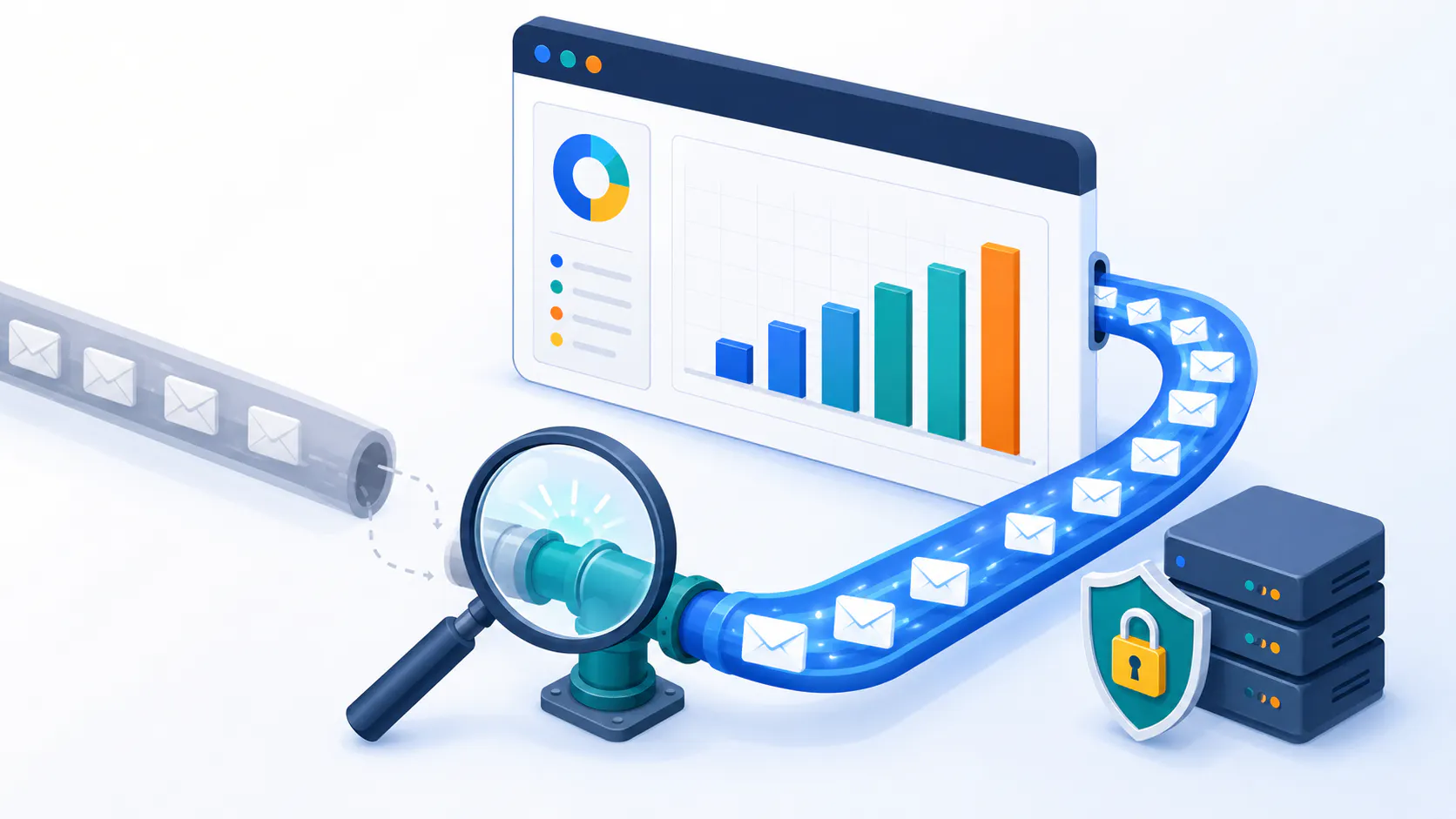
Continuous monitoring of email traffic for suspicious activities is non-negotiable. Employing advanced threat detection tools that leverage artificial intelligence and machine learning can preemptively identify and neutralize threats before they wreak havoc.
Strengthening the Front Gates: Email Authentication Protocols
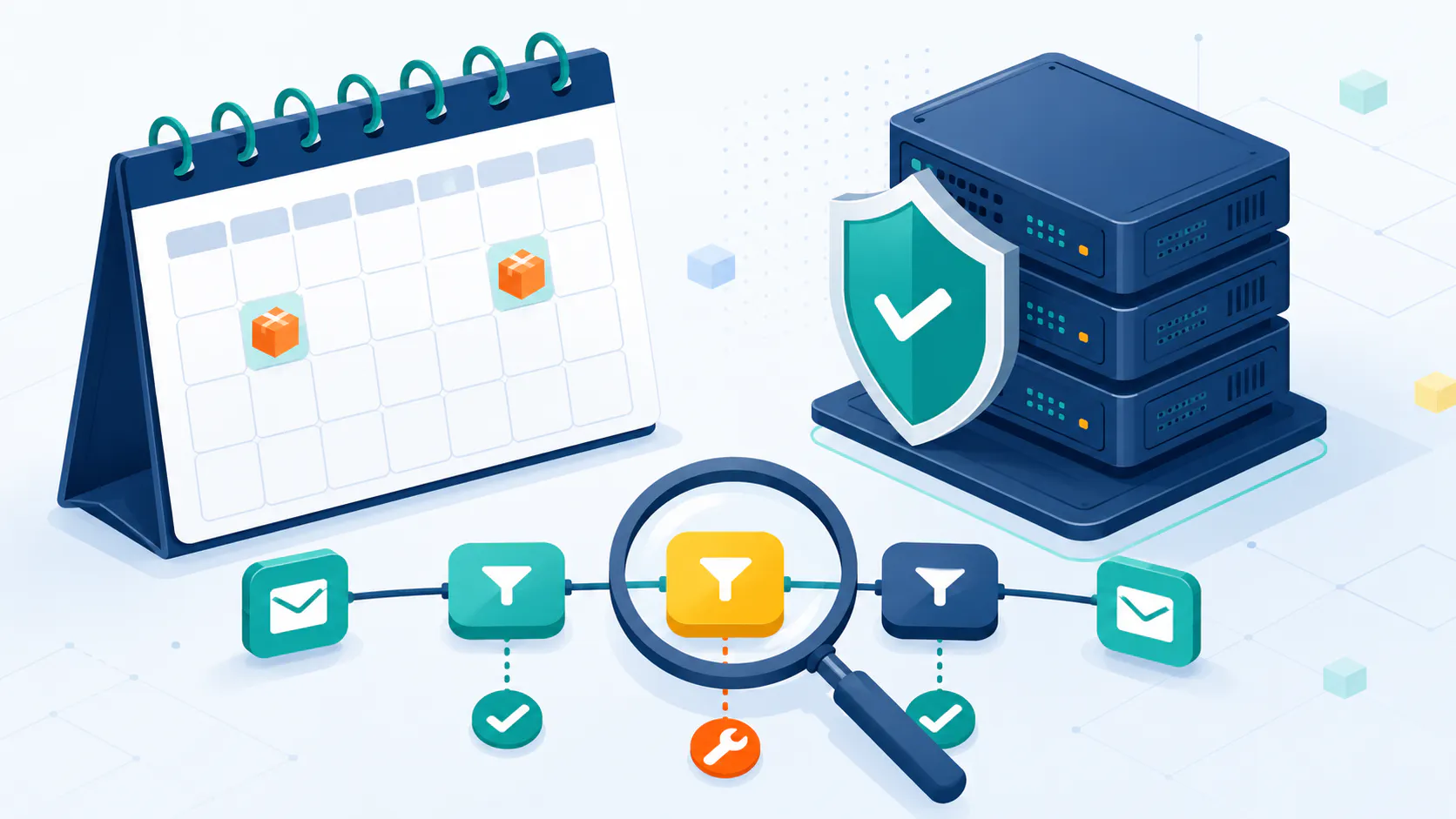
Implementing email authentication protocols like SPF (Sender Policy Framework), DKIM (DomainKeys Identified Mail), and DMARC (Domain-based Message Authentication, Reporting & Conformance) is critical. These protocols act as sentinels, authenticating outgoing emails to prevent spoofing and ensuring that only legitimate emails reach your subscribers.Learn how to setup SPF, DKIM and DMARC in this article.
Encryption: The Shield of Data Privacy
Encrypting emails and sensitive subscriber data adds a robust layer of protection, rendering the information indecipherable to unauthorized eyes. Utilizing TLS (Transport Layer Security) ensures that emails in transit are secured against interception.
Education and Awareness: The Human Firewall
The human element often represents the weakest link in the security chain. Regular training sessions to educate your team on the latest cyber threats and phishing tactics can transform them into a vigilant, proactive human firewall.
Access Control and Insider Threat Mitigation
Limiting access to sensitive systems and data on a need-to-know basis significantly reduces the risk of insider threats. Regular audits and behavioral analysis can help in early detection of potential insider malfeasance.
Navigating the Future: Staying Ahead of Cyber Threats
In the ever-evolving cyber threat landscape, complacency is the adversary of security. Staying informed about emerging threats, adapting to new security technologies, and fostering a culture of cybersecurity mindfulness within your organization are indispensable strategies for safeguarding your email infrastructure.
Conclusion
In conclusion, the security of email infrastructure and sensitive subscriber data in the face of high-volume sending is an ongoing battle against a dynamic array of cyber threats. By embracing a comprehensive security strategy that includes vigilant monitoring, robust authentication, data encryption, continuous education, and stringent access controls, businesses can create a resilient fortress capable of withstanding the onslaught of cyber threats. The journey towards email infrastructure security is both arduous and essential, demanding a steadfast commitment to innovation, vigilance, and adaptability.