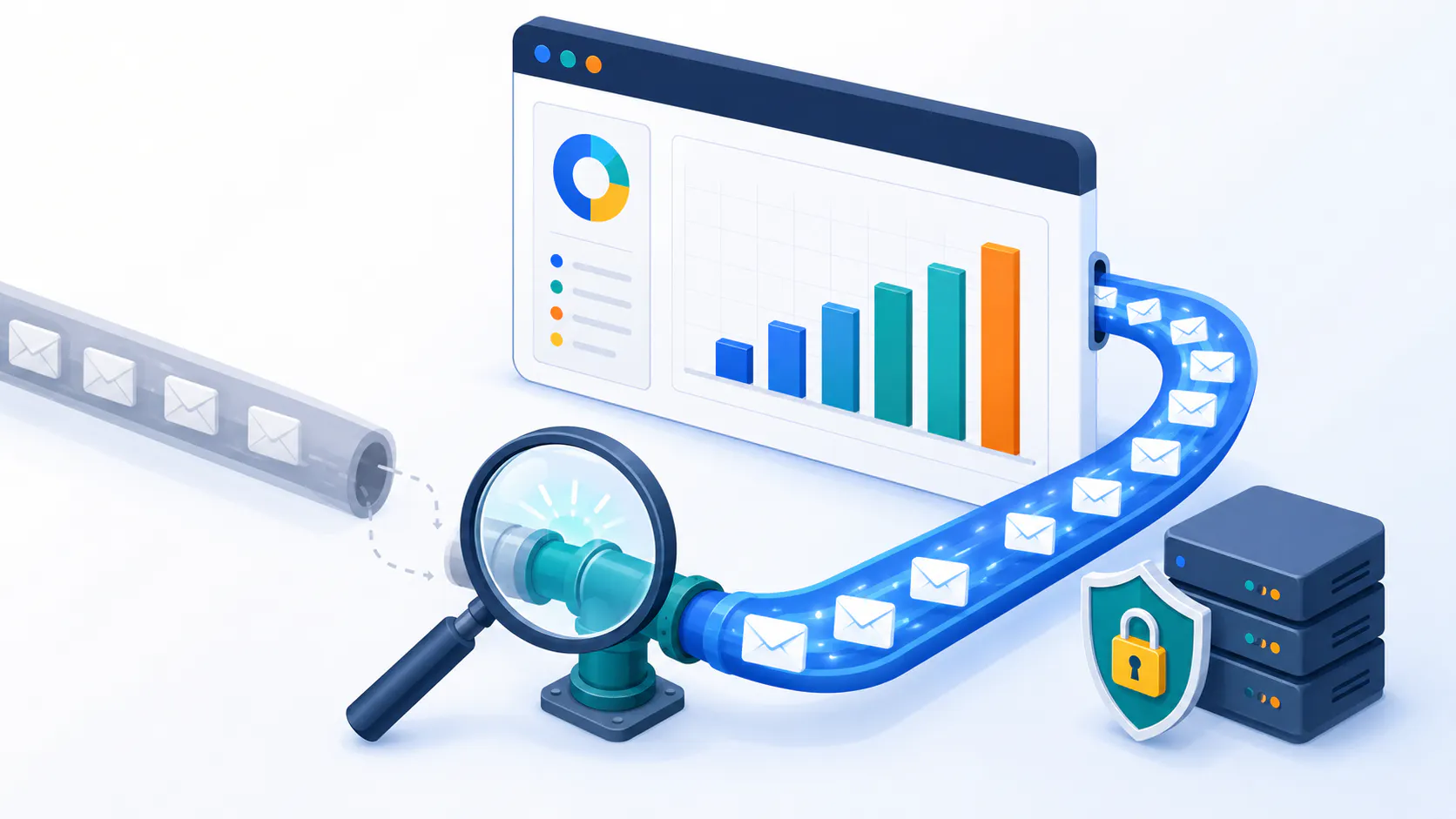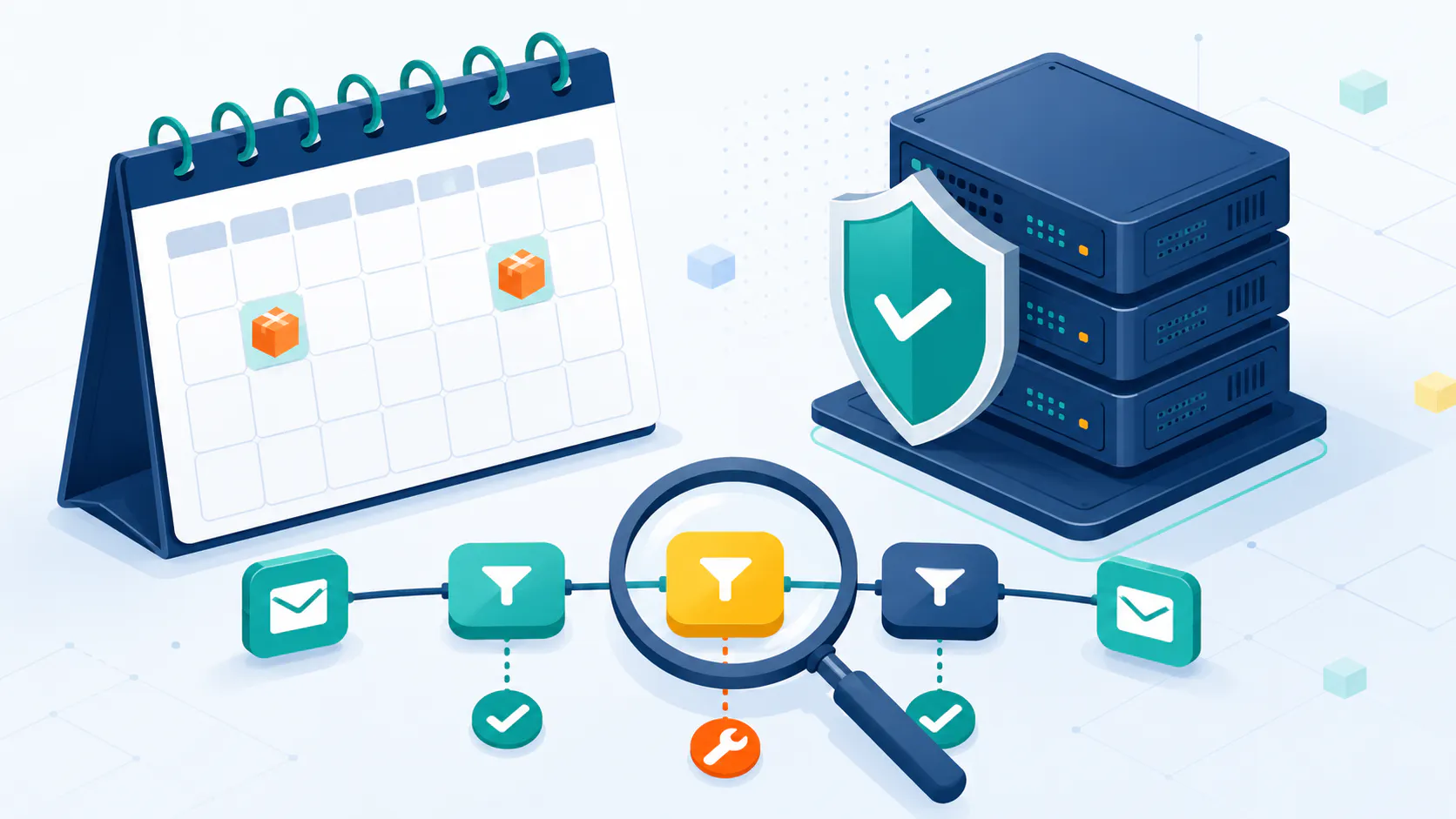

Keeping your email list tidy is a game-changer for hitting your email marketing goals. Let’s discuss why it matters and get into the best email list hygiene tips that can give your campaigns a boost.
Why a Clean Email List Matters
A clean email list is the cornerstone of successful email marketing, offering numerous advantages, including better deliverability, higher open rates, clicks and boosted ROI. For email marketers, getting your emails into inboxes is the name of the game. A clean email list is essential for ensuring your messages reach the right people. It’s the foundation of effective email marketing.
Improved Deliverability: By regularly removing invalid email addresses, spam traps, and hard bounces, you can significantly improve your deliverability. This means more of your emails land in inboxes, not spam folders. There are tools available that can validate your email list in minutes, making this process quick and easy. A clean list is the key to unlocking higher open rates, click-through rates, and conversions. Think of it this way: every email you don’t send to a bad address is a win.
Cost Savings: A well-kept email list is also easier on the wallet. Sending emails to inactive or fake subscribers is like throwing money away. Regularly cleaning your list and cutting out the dead weight saves on email marketing costs, leading to a better ROI and a more efficient use of your budget. Why pay for emails that no one will ever see?
Increased Engagement: Regular list cleaning means you’re talking to people who actually want to hear from you. This active audience translates to higher open and click-through rates, making your email campaigns perform significantly better. When your subscribers are engaged, your message resonates, and your results improve.
Enhanced Sender Reputation: A clean list means fewer emails ending up in spam folders. This keeps your sender reputation solid, which is crucial for getting your emails accepted by Internet Service Providers (ISPs). A good sender reputation is like a gold star for your email program.
Understanding why email list hygiene is important lets you use these practices to get the most out of your email marketing. Regular maintenance and effective cleaning techniques will help you crush your campaign goals.
The Risks of Neglecting Email List Hygiene
Neglecting email list hygiene comes with significant risks that can negatively impact your email marketing performance. Ignoring email list hygiene is like neglecting your garden – weeds will take over, and your flowers won’t thrive. In the email marketing world, this neglect can spell disaster. Understanding the risks is key to keeping your email marketing on point.
Damaged Sender Reputation
A messy email list can seriously damage your sender reputation. Think of it like your credit score for email. Services like Gmail and Yahoo use your reputation to decide if your emails land in the inbox or get filtered as spam. Sending emails to bad addresses, spam traps, or inactive users can skyrocket bounce rates and spam complaints, tanking your reputation. This makes it harder for any of your emails to reach your subscribers.
High Bounce Rates: A high bounce rate signals to ISPs that your list may contain invalid or outdated addresses, lowering your sender score.
Spam Complaints: When subscribers mark your emails as spam, it’s a major red flag for ISPs. Too many spam complaints can lead to blocklisting, preventing your emails from reaching anyone.
Sending to Spam Traps: Spam traps are email addresses specifically designed to catch spammers. Hitting a spam trap is a strong indicator of poor list hygiene and can severely damage your sender reputation.
Decreased Email Engagement
A dirty email list can also tank your email engagement. Emails sent to inactive users are less likely to be opened or clicked, dragging down key metrics like open and click-through rates. Active engagement is crucial for measuring your email campaigns’ success and ensuring a good return on investment.
Open Rates: Low open rates suggest that your emails aren’t reaching or resonating with your audience.
Click-Through Rates: Low click-through rates indicate that even if your emails are opened, subscribers aren’t finding your content compelling or relevant.
Conversion Rates: Ultimately, you want your emails to drive conversions (sales, sign-ups, etc.). A disengaged list will lead to low conversion rates, hindering your marketing goals.
Regularly scrubbing your email list by removing inactive subscribers can boost these engagement metrics. By proactively addressing the risks of poor email list hygiene, you can improve email deliverability, maintain a positive sender reputation, and boost overall email engagement. Implementing good email list hygiene practices is absolutely crucial for any successful email marketing strategy.
Keep Your Email List Fresh: Best Practices
Keeping your email list in tip-top shape is essential for making sure your marketing hits the mark. Here’s how to keep your list squeaky clean:
Regular List Cleaning
Your email list is like a garden—it needs regular weeding to stay healthy. Ignoring it can lead to high bounce rates, low engagement, and spam complaints. Make it a habit to clean your list regularly, using email validation tools, especially when you notice an increase in inactivity, high bounce rates, or spam complaints.
Steps for Regular List Cleaning:
Kick Out Hard Bounces: These are emails that can’t be delivered because the address is wrong (e.g., typos, invalid domain). Get rid of them immediately to keep your list accurate. Your email platform should track these automatically.
Ditch Invalid Emails: Regularly check and remove email addresses that don’t work anymore. Email verification services can help identify invalid email addresses, protecting your sender reputation.
Address Soft Bounces: Soft bounces are temporary delivery failures (e.g., full inbox, server issues). Monitor these and remove addresses that consistently soft bounce over several sends.
Check Engagement Rates: Look for subscribers who never open or click your emails. Your email marketing platform will provide engagement metrics. This data will help you identify disengaged subscribers.
Segment Your List (Pro Tip): Segmenting your list allows you to send targeted content. For example, segment by engagement level, demographics, or purchase history. This improves relevance and reduces unsubscribes.
Regular cleaning boosts your email engagement and ensures your messages land in inboxes, not spam folders. This keeps your sender reputation strong and healthy.
Cleaning Frequency Guide:
Cleaning FrequencyActionWeeklyRemove hard bounces and invalid addressesMonthlyCut out inactive subscribersQuarterlyReview engagement and clean up
Spotting and Removing Inactive Subscribers
Inactive subscribers are like dead weight. They haven’t engaged with your emails for a while and can drag down your results. Usually, if someone hasn’t opened or clicked in 3-6 months, they’re considered inactive. If they’ve been silent for over a year, they might even turn into spam traps, posing a serious risk to your sender reputation.
Steps to Handle Inactive Subscribers:
Define Inactivity: Decide what counts as inactive (e.g., no opens or clicks in 3-6 months). This timeframe can vary depending on your business and sending frequency.
Try Re-Engagement Campaigns: Give inactive subscribers a chance to come back before you remove them. Offer incentives, ask for feedback, or remind them of the value you provide. (More on re-engagement campaigns below).
Remove the Unresponsive: If they don’t respond to your re-engagement efforts, it’s time to say goodbye. Removing them saves you money and ensures you’re only emailing folks who care about your messages, reducing the risk of being marked as spam.
Engagement Period Guide:
Engagement PeriodAction3-6 MonthsTry re-engagement6-12 MonthsRemove if no responseOver 12 MonthsRemove to avoid spam traps
By sticking to these practices, you’ll keep your email list clean, improve deliverability, and make your email marketing more effective.
Boosting Engagement and Deliverability: Advanced Strategies
Beyond basic list maintenance, there are advanced strategies you can use to further boost your email performance. Here are some advanced strategies to take your email marketing to the next level:
Double Opt-In: A Must-Have
Double opt-in is a no-brainer if you want to ensure your subscribers genuinely want your emails. This method requires new subscribers to confirm their subscription via an email link, significantly reducing spam traps, bots, and those pesky typos. While surprisingly, many email senders skip this step, using double opt-in can seriously up your email game and help with GDPR compliance. By requiring confirmation, double opt-in ensures that subscribers are genuinely interested in your content, resulting in higher engagement and lower bounce rates
Benefits of Double Opt-In:
Improves Deliverability: Lowers bounce rates and increases open rates.
Cuts Spam: Keeps out bots, spam traps, and invalid addresses.
Boosts Engagement: Ensures subscribers are genuinely interested in your content.
Segmentation and Re-Engagement: Your Secret Weapons
Segmentation
Segmentation means splitting your email list into smaller, more targeted groups based on criteria like engagement level, purchase history, demographics, interests, or behavior. This allows you to send more personalized and relevant content, which can skyrocket engagement and cut down on unsubscribes. For example, you could segment your list by:
New Subscribers: Welcome emails and introductory offers.
Engaged Subscribers: Exclusive content and early access to promotions.
Inactive Subscribers: Re-engagement campaigns (discussed below).
Customers: Product updates, personalized recommendations, and loyalty programs.
Re-Engagement Campaigns
Re-engagement campaigns are all about winning back those subscribers who’ve gone quiet. These campaigns can include special offers, surveys, personalized content updates, or simply asking if they still want to receive your emails. The key is to offer value and remind them why they subscribed in the first place. If they still don’t engage, it’s time to remove them from your list to protect your sender reputation. Remember, permission to send emails doesn’t last forever. Regular list pruning is essential.
Tools and Services for Email List Cleaning
Keeping your email list tidy is a must for any email marketer who wants to hit those inboxes and keep folks engaged. There are some nifty tools out there that can help you weed out the bad apples—those invalid or inactive email addresses. Let’s check out some top-notch email list cleaning services and why email verification is a big deal.
Top Email List Cleaning Services
If you want your email lists to stay squeaky clean, email validation tools are your best friends. They offer all sorts of verification and validation features to keep your email lists accurate and fresh. These tools simplify the email hygiene process. Typically, you upload your list, and the tool processes it, providing you with a clean and ready-to-use list. Here are some of the best ones:
ServiceFeaturesLinkCleanify.ioReal-time verification, bulk email validation, API integrationCleanify.ioClearoutEmail verification, list cleaning, API access, GDPR compliantClearoutKickboxEmail verification, deliverability insights, fraud protectionKickboxXverifyEmail verification, phone validation, postal address verificationXverifyBouncelessEmail verification, bulk email list cleaning, API supportBounceless
These tools are lifesavers for email marketers, helping you avoid the embarrassment of sending emails to dead addresses and protecting your sender reputation.
Protecting Your Email List: Essential Security Practices
While maintaining a clean email list is crucial for deliverability and engagement, protecting that list from unauthorized access is equally important. A compromised email list can lead to spam, phishing attacks, and damage to your sender reputation. Here are some essential security practices to safeguard your valuable email list:
Securing Your Email Marketing Accounts
Strong, Unique Passwords: Use complex and unique passwords for your email marketing platform and all associated accounts. Don’t reuse passwords across different platforms.
Two-Factor Authentication (2FA): Enable 2FA whenever possible. This adds an extra layer of security, requiring a second form of verification (like a code sent to your phone) in addition to your password.
Regular Password Updates: Change your passwords periodically, especially for sensitive accounts.
Access Control: Limit access to your email marketing platform to only authorized personnel. Use role-based permissions to control what each user can do.
Monitor for Suspicious Activity: Regularly review your account activity for any signs of unauthorized access, such as unusual login attempts or changes to your settings.
Protecting Your Data
Data Backup and Recovery: Regularly back up your email list data to a secure location. This will allow you to recover your list in case of data loss or a security breach.
Secure Data Storage: Store your email list data in a secure environment, whether it’s on your own servers or with a reputable third-party provider. Ensure that your data is encrypted and protected from unauthorized access.
Be Wary of Phishing: Be cautious of phishing emails that attempt to trick you into revealing your login credentials or other sensitive information. Never click on links in suspicious emails.
Software Updates: Keep all software related to your email marketing activities up-to-date with the latest security patches.
Cyber Hygiene Best Practices for Email Marketers
Best PracticeWhat to DoStrong, Unique PasswordsCreate complex and unique passwords for all email-related accounts.Two-Factor AuthenticationEnable 2FA for all email marketing and related accounts.Regular Password UpdatesChange passwords periodically.Access ControlLimit access to your email platform.Monitor for Suspicious ActivityRegularly review account activity.Data Backup and RecoveryRegularly back up your email list data.Secure Data StorageStore your data securely and ensure encryption.Be Wary of PhishingBe cautious of suspicious emails and never click on links in them.Software UpdatesKeep all software up-to-date with security patches.
Keeping your email list clean and secure is essential for effective email marketing. By implementing the strategies and tips outlined in this article, you can significantly improve your email deliverability, engagement, and overall campaign performance. Remember, a healthy email list is the foundation of successful email marketing. For more tips, see our articles on email list management best practices and clean email list strategies.
Frequently Asked Questions
What is email list hygiene? Email list hygiene refers to the process of maintaining and cleaning your email list to ensure it contains valid, engaged, and relevant contacts. Why is email list hygiene important? It improves deliverability rates, enhances engagement, reduces bounce rates, and helps maintain a positive sender reputation. How often should I clean my email list? It’s recommended to review and clean your email list at least once every six months to keep it updated and effective. What are some common signs of a dirty email list? High bounce rates, low open rates, and increased spam complaints are indicators of a dirty email list. How can I verify email addresses on my list? Use email verification tools, like Cleanify.io to check for invalid or temporary email addresses before sending campaigns. What should I do with inactive subscribers? Consider re-engagement campaigns to win back inactive subscribers, or remove them from your list if they remain unresponsive. How can I encourage subscribers to stay engaged? Regularly send valuable content, personalize emails, and ask for feedback to keep subscribers interested and engaged. Can I automate email list hygiene processes? Yes, many email marketing platforms offer automation tools for managing and cleaning your email lists regularly.