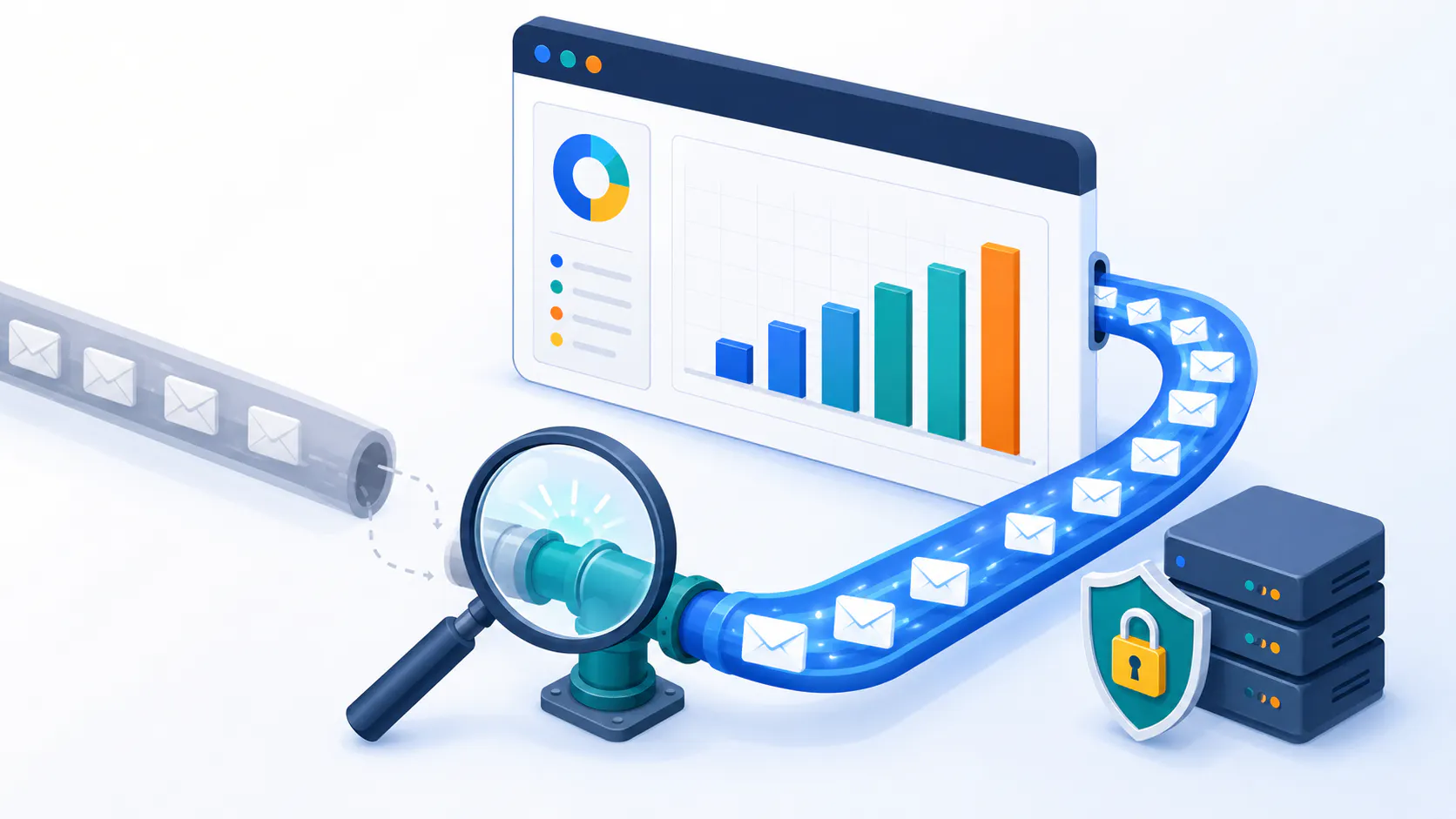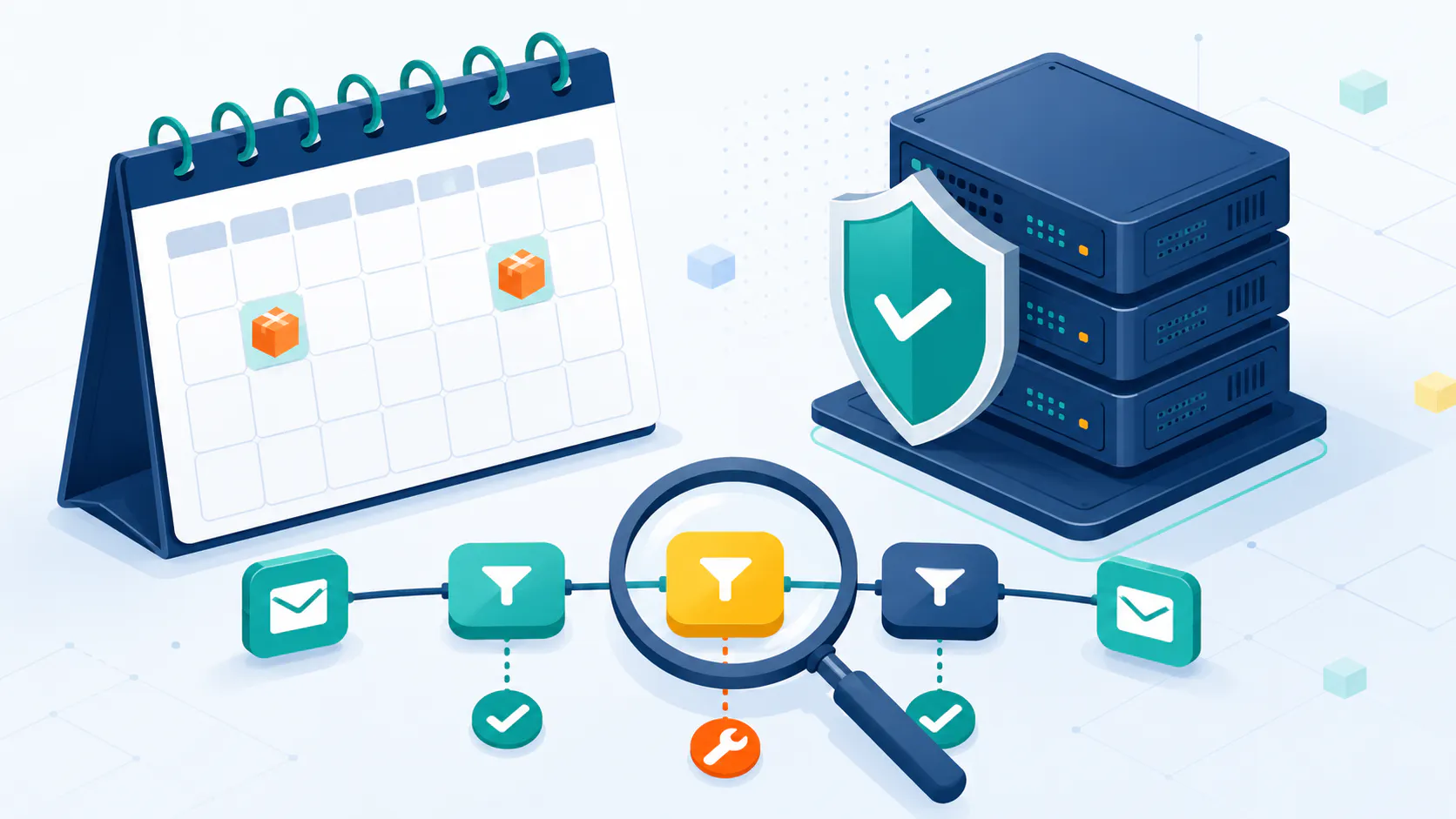

Imagine sending emails that people actually want to read! That’s what good email list management can do for you. This guide will show you how to turn your email list into a powerful revenue-generating machine. We’ll explore powerful strategies to clean, segment, and nurture your list to drive a serious ROI. Let’s dive in!
The Foundation: Clean Email Lists for Maximum Impact
A healthy email list is the bedrock of successful email marketing. It’s not just about sending emails; it’s about sending the right emails to the right people.
Why a Sparkling Clean List Matters
Hit the Inbox, Not the Spam FolderInternet Service Providers (ISPs) evaluate your sender reputation and engagement levels. A clean list with engaged subscribers signals that you’re a trustworthy sender, increasing your chances of landing in the inbox.Boost EngagementWhen you send targeted emails to people who genuinely care about what you have to say, they’re more likely to open, click, and convert.Save MoneyWhy waste precious resources sending emails to addresses that don’t exist or people who aren’t interested? A clean list means you’re only paying for emails that actually reach engaged subscribers.Supercharge Your ROIBy combining higher deliverability, increased engagement, and cost savings, a clean list fuels your overall marketing ROI, leading to more bang for your buck.
The Dangers of a Neglected List
Ignoring your email list hygiene can have some nasty consequences. You risk being blacklisted, which makes it nearly impossible to reach anyone’s inbox. A poor sender reputation can also haunt you for years, hindering your email marketing efforts. And let’s not forget about wasted resources – sending emails to inactive subscribers is like throwing money down the drain.
RiskWhat It MeansPoor DeliverabilityYour emails might end up in spam or get blocked.More BouncesSending to bad addresses hurts your reputation.Low EngagementUninterested subscribers won’t open or read your emails.Higher CostsYou’re wasting money on emails that don’t pay off.Bad ReputationISPs will penalize you for low engagement, making things worse.Wasted ResourcesTime and money spent on bad campaigns could be better used elsewhere.
Regularly cleaning and updating your email list helps you dodge these problems and boosts your campaign performance.
Keep Your Email List Fresh and Engaging
Keeping your email list in tip-top shape is key to making sure your emails get opened, read, and clicked. That’s the key to effective email list management. Here’s how to keep your list clean and your subscribers happy.
Regular Cleaning Practices
Ready to give your email list a makeover? Here’s how to keep it neat:
TaskHow OftenWhySegment Your ListEvery 3 MonthsSend the right message to the right folksRemove Bad EmailsEvery 3 MonthsKeep your emails out of spam foldersMake Unsubscribing EasyAlwaysKeep your list full of people who want to be thereSend Re-engagement EmailsEvery 3 MonthsWake up sleepy subscribers
Remember that email list validation tools, can take care of the removal of invalid email addresses and spam traps for you, saving you time and money and making your email marketing efforts effective.
For more on how to scrub your email list, check out our guide on email list scrubbing techniques.
Booting Inactive Subscribers
Sending emails to people who don’t care is like shouting into the void. It can hurt your sender reputation and make your emails land in spam. ISPs are watching, and they don’t like it when you email ghosts.
To avoid this, regularly prune your list of inactive subscribers. Look at metrics like open rates, click-through rates, and overall interaction.
MetricWhen to Say GoodbyeOpen RateLess than 15%Click-Through RateLess than 2%InteractionNo clicks or opens in 6 months
Re-engagement Campaigns
Sometimes, subscribers just need a nudge to wake up. Re-engagement campaigns are your chance to remind them why they signed up in the first place.
Steps to a killer re-engagement campaign:
Find the Sleepyheads: Look for folks who haven’t opened or clicked in 6 months.
Write Awesome Content: Show them what they’ve been missing.
Sweeten the Deal: Offer discounts, special content, or other goodies.
Watch the Results: See who wakes up and who stays asleep.
By following these tips, you’ll keep your email list full of engaged subscribers, making your campaigns more effective.
Targeted Messaging: Strategic Email List Segmentation
Breaking up your email list into smaller, more targeted groups is a game-changer for keeping your email list in tip-top shape. It’s all about creating messages that hit home with each group, boosting engagement and conversions.
Gathering Data for Segmentation
Segmentation is like having a superpower, but to wield it effectively, you need the right intel. Here’s how to gather those crucial insights:
Sign-up Forms: When people sign up, ask for key information like their name, location, and maybe even their birthday (for a future surprise!). Just remember to keep it concise to avoid overwhelming new subscribers. And always be transparent about how you’ll use their data.
Surveys: Don’t be shy! Ask your subscribers directly what they’re interested in. You can use surveys, polls, or quizzes to gather valuable data. Incentivize participation with a small discount or freebie. Reassure subscribers that their data will be kept confidential and used responsibly.
Track Subscriber Behavior: Keep an eye on who’s opening, clicking, and interacting with your emails. This gives you clues about their interests and preferences.
Analyze Website Data: Use website analytics to see what your visitors are up to. What pages are they visiting? What products are they browsing? This can reveal a lot about their needs and desires.
Social Media: Peek into social media for insights on interests and demographics. What are your subscribers talking about? What groups are they part of?
Want to learn more about attracting qualified leads? Check out our comprehensive guide to email marketing for lead generation: Email Marketing for Lead Generation: Strategies that Work. And remember, always prioritize data privacy and comply with regulations like GDPR when collecting and using subscriber data.
Demographic Segmentation
Think of demographic segmentation as sorting your list by basic personal details like age, gender, location, job title, and the type of organization they work for. This way, you can group people without needing to dig into their shopping habits or online behavior. Then, you can send personalized content for each segment. For example, a campaign for young professionals will look different from one for retirees.
Here is an example of how you could segment:
CriteriaExample Data PointsAge18-24, 25-34, 35-44, 45+GenderMale, Female, Non-binaryLocationCity, State, CountryJob TitleManager, Director, ExecutiveOrganization TypeNon-profit, Corporate, SME
Behavioral Segmentation
Behavioral segmentation is all about figuring out why and how people interact with your emails and products. This includes what they buy, think about buying, where they shop, and what they click on. By looking at past behavior, you can send hyper-relevant emails based on what people actually do.
You can use the following criteria for this type of segmentation:
CriteriaExample Data PointsPurchase HistoryFrequent buyers, First-time buyersEmail EngagementOpens, Clicks, UnsubscribesWebsite ActivityPage views, Time spent on siteProduct InterestsCategories viewed, Items added to cart
Psychographic Segmentation
Psychographic segmentation goes a step further. This is where you get into your subscribers’ heads. Segment based on values, interests, and lifestyles to create deeply personalized campaigns that resonate on a deeper level.Here’s an example on how you can put it in action:
CriteriaExample Data PointsValuesSustainability, Innovation, TraditionInterestsSports, Travel, TechnologyLifestylesFitness enthusiasts, Homebodies, Adventurers
Breaking down your email list using these methods can make your campaigns way more effective. By tapping into demographic, behavioral, and psychographic data, you can send content that’s spot-on for each group, driving better results all around.
The Benefits of Segmentation
Here’s a quick recap of why segmentation is so powerful:
Segmentation TypeCriteriaBenefitsDemographicAge, Location, Gender, etc.More relevant contentBehavioralEmail Opens, Clicks, Purchases, Website ActivityIncreased engagementPsychographicValues, Interests, LifestylesHigher personalization
Segmented emails get more opens, clicks, and conversions, while cutting down on unsubscribes and dodging spam filters. It’s a win-win for everyone!
Why Email Personalization Matters
When it comes to email marketing, making it personal is the secret sauce. It’s not just about slapping a name at the top; it’s about crafting an email that feels like it was made just for them. Let’s break down why this matters and how it can make your email game strong.
Making it Personal: Beyond “Hey [First Name]”
Personalization is like giving your emails a warm hug. When you call someone by their name, tweak the tone, and tailor the content, you’re not just sending an email; you’re starting a conversation. But when you also send them personalized content based on past interactions, you create a whole new level of connection. This makes people feel understood and heard, which is gold for building trust and loyalty.
Here’s how personalization can make your emails more engaging:
Use their name: It’s a simple touch, but it can make a big difference. Addressing someone by name shows that you recognize them as an individual.
Tailor the content: Think about their past interactions, purchase history, and interests. Use this information to send them content that’s relevant and valuable to them.
Craft compelling subject lines: Use their name or interests in the subject line to grab their attention and increase open rates.
By figuring out who your buyers are and what bugs them, you can offer solutions that hit the mark. This isn’t just about pushing products; it’s about solving problems and making life easier for your customers.
Crafting the Journey
Personalization isn’t just a one-off thing; it’s a journey. By tuning into what your customers need, like, Personalization isn’t a one-time event; it’s an ongoing journey. By paying attention to your subscribers’ needs and preferences, you can nurture them throughout their customer journey.Here are some journey ideas you can use:
Closing the Deal: Provide special discounts or exclusive offers to encourage them to take the next step.
First Impressions: Welcome new subscribers with a personalized email that makes them feel valued and appreciated.
Nurturing Interest: Offer product recommendations based on their browsing history or past purchases.
Personalization helps build trust, cuts down on spam fears, and boosts customer service. When you send relevant and useful content, people are more likely to stick around and be happy. Without personalization, your emails are just noise in the inbox.
Using these personalization tricks not only makes your emails more effective but also keeps your email list clean and engaged.
The Role of Permission and Engagement
Keeping your email list fresh and engaged is like keeping a garden blooming. Neglect it, and you’ll end up with a bunch of weeds. Pay attention, and you’ll have a vibrant, thriving community. Let’s break it down.
Stale Permission and Its Consequences
Think of permission like milk—it goes bad if you leave it too long. Permission starts to sour about six months after someone signs up. If you’re not regularly emailing your list, folks might forget who you are, why they signed up, or just lose interest. This can lead to spam complaints and a flood of unsubscribes.
Time Since Last EmailRisk Level<6 MonthsLow6-12 MonthsMedium>12 MonthsHigh
Inactive subscribers are like dead weight dragging down your email campaigns. Regularly cleaning up your list is crucial to keep it fresh and effective. Removing those who aren’t engaging helps maintain a good sender reputation, which is key to landing in the inbox and not the spam folder.
Re-engagement Strategies
Bringing back stale subscribers is like rekindling an old friendship. Here’s how to do it:
Send a Re-engagement Email Campaign: Craft a catchy email aimed at those who’ve gone quiet. Throw in special offers, discounts, or just a friendly nudge asking if they still want to hear from you.
Offer Incentives: Give them a reason to come back—exclusive content, discount codes, or freebies can work wonders.
Ask for Preferences: Let subscribers update their preferences and how often they hear from you. Personalized content is more likely to hit the mark.
Segment Your List: Create a special group for inactive subscribers and tailor your re-engagement efforts to them. This targeted approach can boost your success rate.
Remove Non-Responders: If they’re still not biting after your efforts, it’s time to say goodbye. Keeping your list lean and keen is better for everyone.
By focusing on permission and engagement, you can keep your email list in tip-top shape. Regular updates and clean-ups, along with targeted re-engagement campaigns, will lead to better deliverability and overall campaign success. For more tips on maintaining a high-quality email list, visit our article on maintaining email list quality.
Conclusion
A healthy email list is the engine of successful email marketing. By implementing the strategies outlined in this guide, you can transform your list into a powerful tool that drives conversions, boosts ROI, and builds lasting customer relationships. Start cleaning, segmenting, and nurturing your list today, and watch your email marketing flourish!
Frequently Asked Questions
What is the best email list management software for small businesses? There are many great options available, but some popular choices for small businesses include Sendloop, Octeth, ConvertKit, and ActiveCampaign. These platforms offer a good balance of features, affordability, and ease of use. How often should I clean my email list? Aim to clean your email list at least quarterly. This involves removing invalid email addresses, unsubscribes, and inactive subscribers. Regular cleaning helps maintain a healthy list and improve deliverability. How can I improve my email open rates? Several factors influence open rates, including your subject line, sender name, and the relevance of your content to your subscribers. Personalizing your emails and segmenting your list can also significantly boost open rates. What are some effective email list building strategies? You can grow your email list organically by offering valuable lead magnets, creating engaging content, and promoting your sign-up forms on social media and your website. How do I measure the success of my email list management efforts? Key metrics to track include open rates, click-through rates, conversion rates, unsubscribe rates, and overall ROI. Regularly analyzing these metrics will help you identify areas for improvement and optimize your email marketing strategy. What is double opt-in and why is it important?
Double opt-in helps ensure that your list only includes engaged subscribers who genuinely want to receive your emails, reducing spam complaints and improving deliverability. What is the best way to re-engage inactive subscribers? Try sending a re-engagement email campaign with valuable content, exclusive offers, or a simple request to update their preferences. If they remain inactive, it’s best to remove them from your list.