
Keeping Your Email List Fresh and Clean
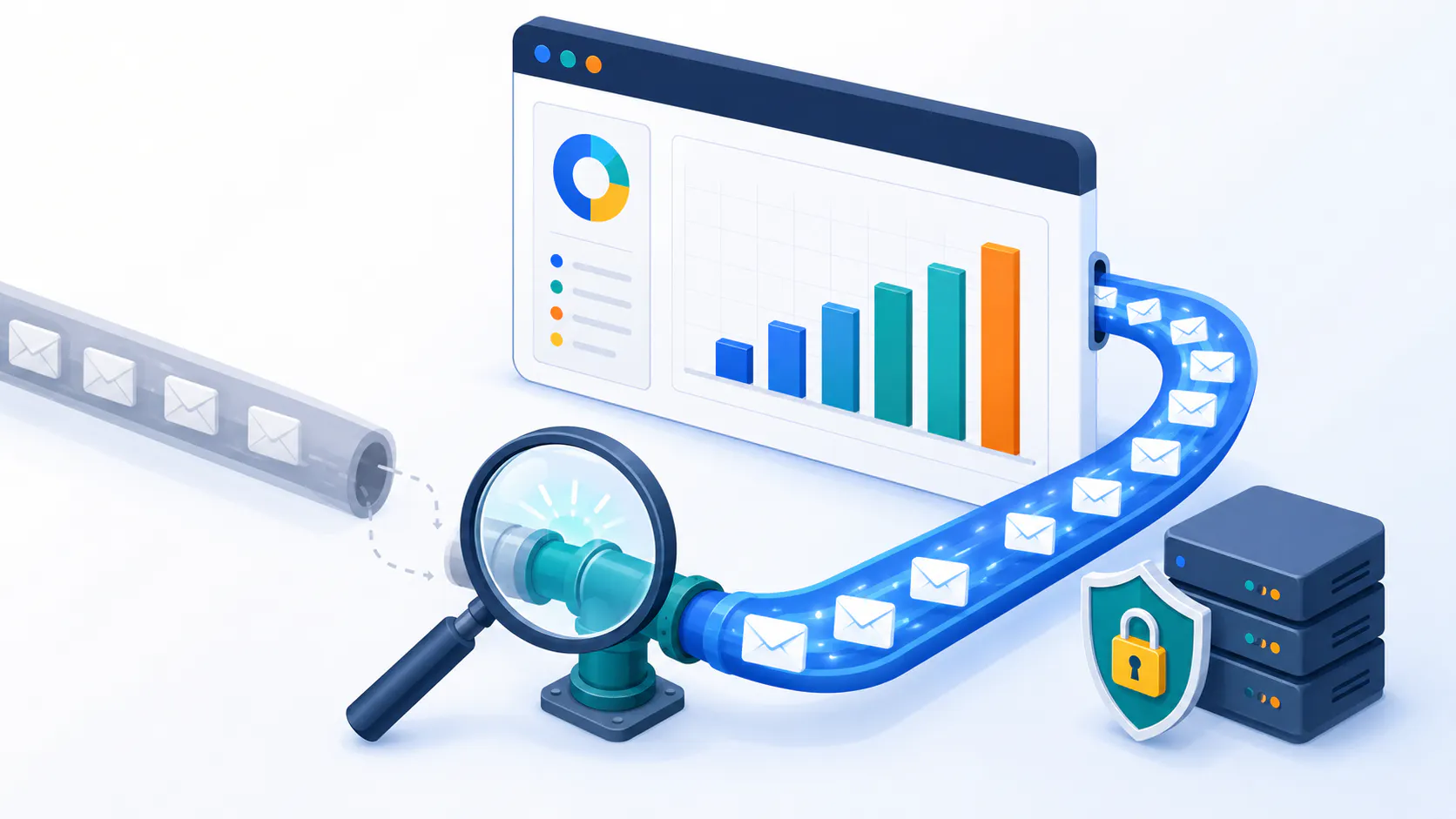
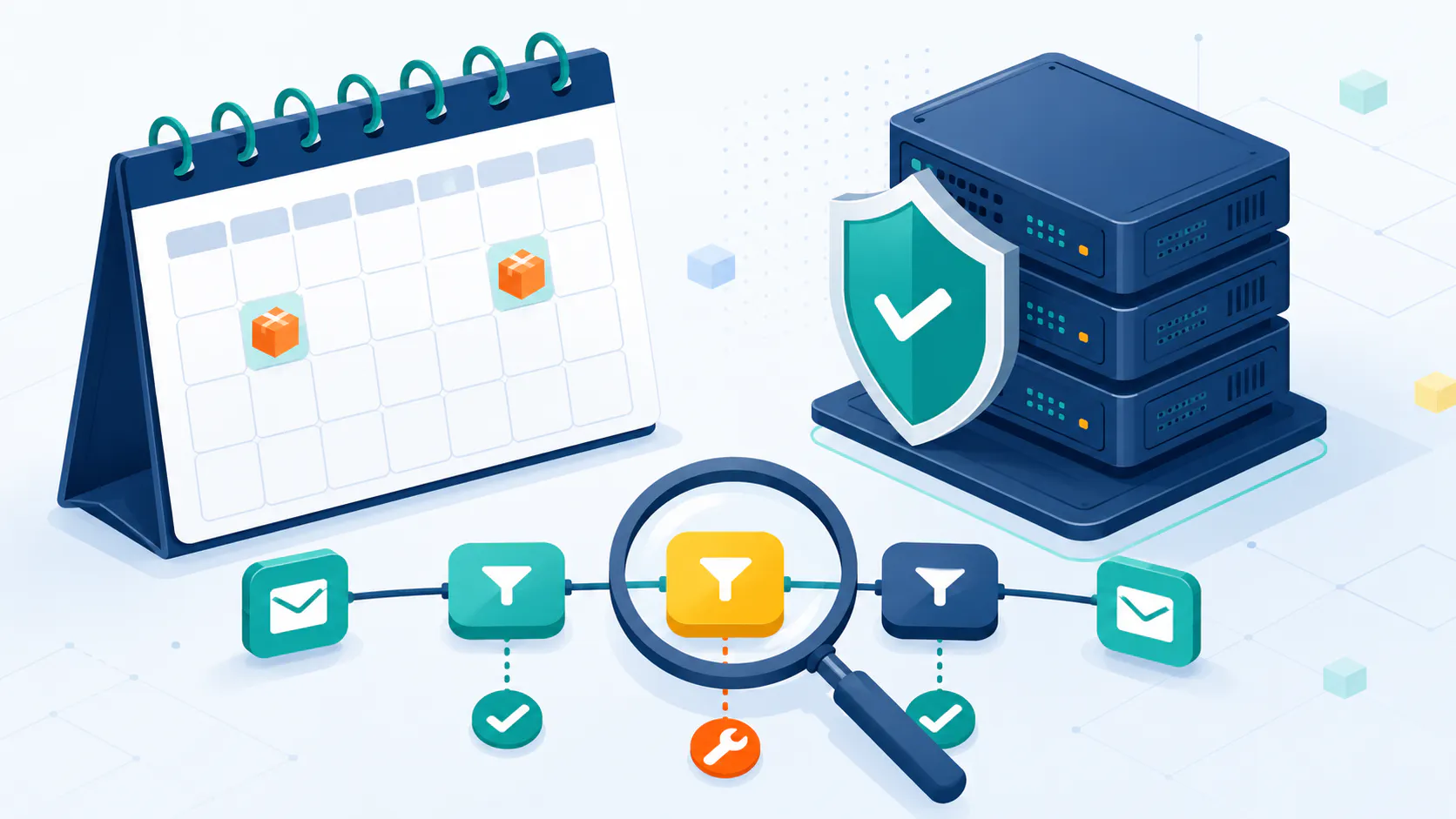
Email list cleaning, or email scrubbing, is like giving your email marketing a regular tune-up. It keeps everything running smoothly and ensures your messages hit the mark. For anyone in email marketing, knowing why and how to keep your list clean is key to getting the best results and staying in the game for the long haul.
Why Bother with Email List Cleaning?
Keeping your email list in tip-top shape is crucial for a few reasons. First off, it boosts your sender reputation and makes sure your emails actually get delivered. If you’re sending emails to bad addresses, you’ll get a lot of bounces, which can tank your sender score. A low sender score means your emails might end up in the spam folder, and no one will see them there.
Cleaning your list also cuts down on spam complaints. By removing subscribers who aren’t interested, you lower the chances of your emails being marked as spam. This can make a big difference in getting your emails into the right inboxes easily.
Perks of Scrubbing Your Email List
Giving your email list a good scrub comes with a bunch of benefits that can supercharge your email marketing. Here’s what you can expect:
Better Click and Open Rates: When you remove the inactive subscribers, your emails go to people who actually care. This means more opens and clicks because your content is hitting the right target.
Fewer Bounces: Cleaning out bad email addresses, spam traps and fixing typos means fewer bounces. Lower bounce rates help your emails get delivered and keep your sender reputation strong.
Save Money: Sending emails to dead addresses is a waste of money, especially if you’re paying based on the number of subscribers. A clean list means you’re not throwing cash down the drain.
Boost Revenue: A clean list means higher engagement and more conversions, and that means more sales. Engaged subscribers are much more likely to click on your calls-to-action and buy your stuff, giving you a better return on investment.
Email List Cleaning Techniques
Keeping your email list in tip-top shape is key to having an engaged audience. Here are some practical tips to help you clean up your email list by removing inactive subscribers, fixing syntax errors, and identifying those who aren’t very active.
Removing Inactive Subscribers
Inactive subscribers are those who haven’t interacted with your emails for a long time. Getting rid of these contacts can boost your email performance and keep your list responsive.
To spot inactive subscribers, keep an eye on these metrics:
MetricWhat It MeansOpen RatesHow many people open your emailsClick-through RatesHow many people click on links in your emailsLast Interaction DateThe last time someone engaged with your email
Regularly removing inactive subscribers can lead to better open and click-through rates, ensuring your emails reach people who care. For more tips, check out our email list management best practices.
Fixing Syntax Errors
Syntax errors in email addresses can cause your emails to bounce, hurting your sender reputation. Fixing these errors is a must. Common mistakes include:
Missing “@” symbol
Incorrect domain format
Extra spaces or invalid characters
Using automated tools to find and fix these errors can lower bounce rates and improve deliverability. Regularly checking for syntax errors keeps your list clean and ensures your emails reach valid addresses.
Identifying Low-Activity Subscribers
Low-activity subscribers might open your emails now and then but aren’t consistently engaged. Targeting these folks with re-engagement campaigns can help improve your list’s health.
To find low-activity subscribers, look at:
How often they open emails
Click-through rates over time
Engagement with past re-engagement campaigns
Subscriber TypeEngagement LevelWhat to DoHighly ActiveAlways opens and clicksKeep them on your listModerately ActiveSometimes opens and clicksTry re-engagement campaignsLow-ActivityRarely opens or clicksRemove if re-engagement fails
Using re-engagement strategies like personalized content or special offers can turn low-activity subscribers into active ones. For more tips, see our guide on maintaining email list quality.
By using these email list cleaning techniques, you can keep your subscriber base engaged and responsive, leading to better email marketing results. Regular list cleaning should be done at least twice a year to keep engagement high and optimize your campaigns.
Why Cleaning Your Email List Matters
Keeping your email list tidy is like spring cleaning for your inbox. It’s a must-do for anyone serious about email marketing. Regularly cleaning your email list with email list validation tools, such as Cleanify.io can make a world of difference in your marketing game.
Boost Your Clicks and Opens
Scrubbing your email list can work wonders for your engagement. When you ditch the dead weight—like inactive subscribers and fake email addresses—your emails land in the inboxes of folks who actually care.
MetricBefore CleaningAfter CleaningOpen Rate15%25%Click Rate2%5%
Fewer Bounces, Better Reputation
Nobody likes a bounce. Cleaning your email list helps cut down on those pesky bounced emails, which can hurt your sender reputation. By getting rid of invalid addresses and spam traps, your emails are more likely to reach real people. This means fewer hard bounces and better overall deliverability
MetricBefore CleaningAfter CleaningBounce Rate10%2%
Want more tips on keeping your email list squeaky clean? Check out our email list hygiene tips.
More Money in Your Pocket
A clean email list isn’t just about numbers—it’s about dollars and cents. When your emails hit the right inboxes, you’re more likely to see a boost in revenue.
MetricBefore CleaningAfter CleaningRevenue per Email$0.10$0.30
By using email list cleaning techniques, you can reap these rewards and make your campaigns shine.
Best Practices for Email Scrubbing
Keeping your email list squeaky clean is a must for any email marketer looking to hit the mark. Here’s how you can keep your list in tip-top shape.
Regular List Maintenance
Think of your email list like a garden—it needs regular tending. By routinely pruning your list, you can weed out inactive subscribers, fix typos, and ditch invalid email addresses. This keeps your sender reputation shiny, boosts email deliverability, and cuts down on those annoying bounced emails.
Maintenance TaskHow Often?Booting inactive subscribersMonthlyFixing typosWeeklyTossing invalid addressesBi-weekly
Regular upkeep is a big part of email list management best practices.
Targeting Re-engagement
Got some subscribers who’ve gone MIA? Try to win them back! Send them irresistible content or special deals to get them interested again. If they’re still ghosting you, it’s probably time to say goodbye.
A targeted re-engagement campaign can help you figure out who’s still into your content and who’s not. This not only cleans your list but also makes your email marketing more effective.
Reducing Spam Complaints
Nobody likes being marked as spam. Spotting uninterested contacts before they hit that spam button can save your sender reputation. Spam complaints can send your emails straight to the junk folder, and that’s the worst place to be.
To keep spam complaints at bay:
Use double opt-in to confirm subscriptions.
Make it easy for folks to unsubscribe.
Regularly remove contacts who never engage.
ActionWhy It HelpsDouble opt-inConfirms they really want inEasy opt-outStops spam complaintsRemoving non-engaged contactsBoosts deliverability
These steps will help in maintaining email list quality and making sure your email campaigns hit the mark.
By following these tips, you’ll see better click and open rates, fewer bounces, and more effective campaigns.
Cleaning Up Your Email List
Keeping your email list in tip-top shape is a must for any email marketer. It’s like giving your car a tune-up—necessary for smooth performance. Let’s break down some handy techniques to keep your list squeaky clean, including spotting and fixing errors, validating data, and standardizing info.
Spotting and Fixing Errors
Finding and fixing mistakes in your email list is crucial. Think of it as catching typos in a text message before hitting send. Common goofs include misspelled email addresses, wrong formats, and messed-up domains. Automated tools can help you catch these slip-ups fast.
Error TypeExampleFixTypo in Emailjohndoe@gmial.comAutomated spell checkWrong Formatjohndoegmail.comFormat validationDomain Errorjohndoe@gnail.comDomain check
Validating Your Data
Data validation makes sure your email addresses are spot-on and ready to go. This includes checking the syntax, verifying domains, and making sure mailboxes are real.
Syntax Check: Ensures the email looks right (e.g., username@domain.com).
Domain Check: Confirms the domain exists and can get emails.
Mailbox Check: Verifies the mailbox is real and active.
Standardizing Your Data
Standardizing your data means making sure everything looks the same. This can involve:
Normalization: Turning all email addresses to lowercase.
Standard Formats: Making sure all emails follow a set pattern.
Consistent Data Entry: Using the same format for new data.
Standardization TaskBeforeAfterCase NormalizationJohnDoe@Gmail.comjohndoe@gmail.comFormat ConsistencyJohn.Doe@gmail.comjohndoe@gmail.com
For more on keeping your list tidy, check out our article on clean email list strategies.
Using these methods will make your email lists more accurate and reliable, leading to better email marketing results. For the best solutions that can take care of this for you, read our article on the top email list cleaning services.
Expert Tips for Effective List Cleaning
Want your email marketing to hit the bullseye? Cleaning up your email list is where it all starts, remember that there are useful tools available to help you out here, like Cleanify.io. Here’s how to keep your list in tip-top shape and make sure your campaigns shine.
Stick with the Active Crowd
Focus on the folks who actually care about your emails. These are the ones who open, click, and reply. By zeroing in on these subscribers, you’ll see better engagement and higher open rates.
Activity LevelEngagement FrequencyActionHighWeeklyKeepMediumMonthlyWatchLowQuarterlyRe-engage or Drop
Want more on keeping your list lively? Check out our email list management tips.
Ditch the Duplicates
Duplicates are like weeds in your garden—they mess up your stats and cost you money. Get rid of them to keep things clean and accurate. Most email tools have a feature to spot and remove duplicates, making your life easier.
Subscriber EmailInstances Foundexample1@gmail.com2example2@yahoo.com3example3@outlook.com1
Clearing out duplicates boosts your list quality and helps your emails land where they should. For more on this, see our guide on keeping your email list clean.
Spot the Spammers
Spam addresses are bad news. They can wreck your sender reputation and lead to bounces. Look out for weird email addresses, temporary domains, or known spam traps.
Email AddressStatusspamtrap1@example.comRemovevaliduser@example.comKeeptempmail@tempmail.comRemove
Using email validation tools can help you catch these troublemakers. For more strategies, check out our article on cleaning your email list.
Follow these tips, and you’ll see your email campaigns perform better, with fewer bounces and more engagement. For more advice, dive into our email list hygiene tips.
Frequently Asked Questions
What is email list scrubbing? Email list scrubbing is the process of cleaning an email list by removing invalid, inactive, or unengaged subscribers to improve deliverability. Why is email list scrubbing important? It helps increase email deliverability rates, reduces bounce rates, and enhances overall campaign performance by ensuring that messages reach engaged recipients. How often should I scrub my email list? It’s recommended to scrub your email list at least quarterly, but more frequent scrubbing may be necessary depending on your engagement metrics. What tools can I use for email list scrubbing? Tools like Cleanify.io, ZeroBounce, and BriteVerify can help identify invalid email addresses and improve the quality of your list. What are the common signs that my email list needs scrubbing? Signs include high bounce rates, low open rates, and increased unsubscribe rates, indicating that many subscribers may no longer be engaged. Can I remove subscribers who haven’t opened my emails? Yes, consider removing subscribers who haven’t engaged with your emails over a certain period, such as six months to a year.