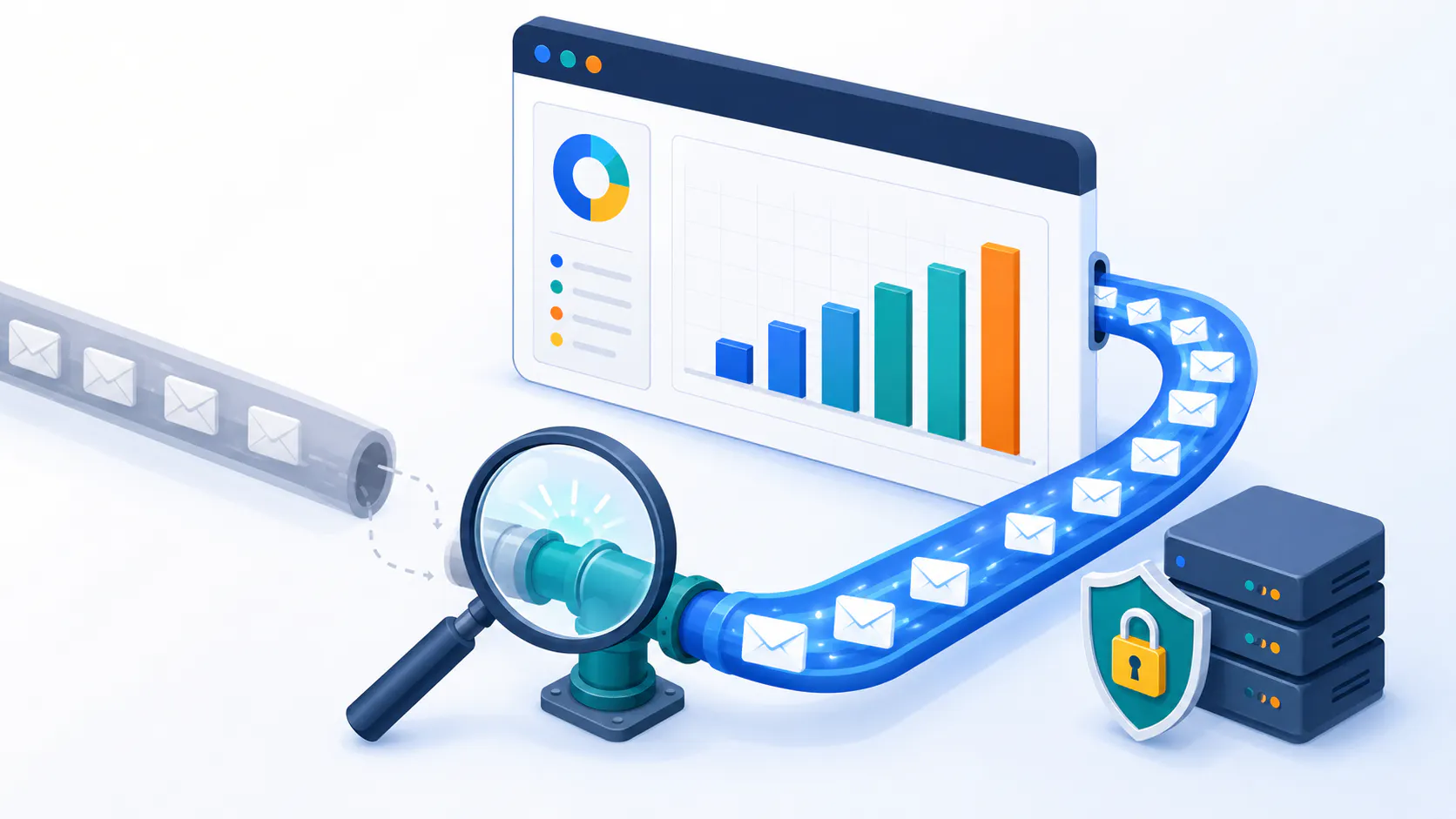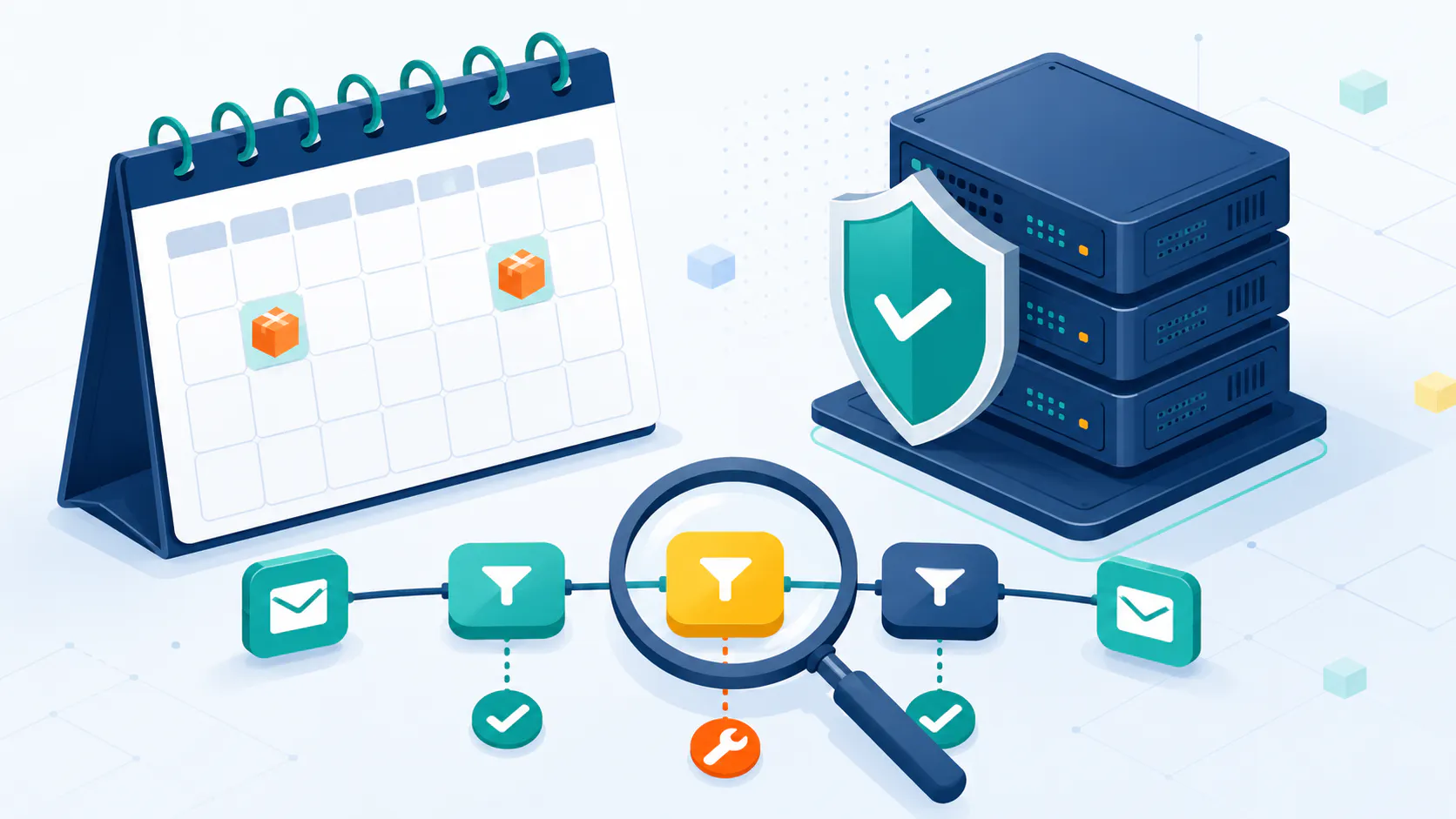

B2B sales are hard. But they don’t have to be. Email marketing can be your most powerful lead generation tool. We’ll show you how to move beyond generic blasts, create meaningful connections and drive measurable results. Let’s make your inbox your most valuable asset.
What is B2B Email Marketing?
You’ve probably heard the hype about email marketing, but what’s the deal with B2B specifically? It’s more than just sending out product updates or promotions to a list. In the B2B world, email marketing is about building relationships with other businesses one email at a time. Instead of a megaphone, imagine having a real conversation, understanding their pain points, and offering tailored solutions that actually help. It’s about providing valuable content, positioning yourself as a trusted expert, and ultimately driving sales and long-term partnerships. Think of it like this: you’re not just sending emails; you’re building bridges.
Why Bother with Email Marketing?
In today’s digital world with social media and all the new fancy marketing tactics you might be wondering: is email marketing really worth it? Especially for B2B? The answer is a big fat YES! Here’s why:
Direct Line to Decision-Makers: Unlike social media algorithms, email gives you a direct line to your target audience. You’re not just shouting into the void; you’re having a focused conversation with key decision-makers in your industry.
Nurture Relationships, Drive Conversions: Email allows you to nurture relationships over time, building trust and credibility. This consistent communication keeps your brand top-of-mind, leading to higher conversion rates when it’s time for a sale.
Exceptional ROI: Email marketing consistently delivers one of the highest returns on investment of any marketing channel. For every $1 spent, you can expect an average return of $42 (source: Campaign Monitor). That’s a powerful reason to invest in your email strategy.
Boost Brand Awareness and Loyalty: Regularly engaging with your audience through valuable content keeps your brand front and center. This fosters brand loyalty and encourages repeat business.
Cost-Effective Solution: Compared to other marketing channels like paid advertising, email marketing is incredibly cost-effective. You can reach a large audience and achieve significant results without breaking the bank.
Picking the Perfect Email Marketing Platform
Choosing the right email marketing platform can make or break your B2B email campaigns. Let’s dive into what you need to consider and the must-have features for your email marketing tool.
What to Think About
Selecting the right email marketing platform is crucial for your B2B success. It’s the engine that drives your campaigns, so you need to choose wisely. Here’s a breakdown of the essential factors to consider:
Ease of Use: You don’t want to spend hours wrestling with a complicated platform. Look for an intuitive interface with drag-and-drop functionality and clear navigation.
Scalability: Choose a platform that can grow with your business. As your email list expands, your platform should be able to handle the increased volume without compromising performance. Seamless Integrations: Ensure the platform integrates smoothly with your existing CRM, marketing automation tools, and other essential business software.
High Deliverability Rates: Avoid the dreaded spam folder! Prioritize platforms with a strong reputation for deliverability and robust email authentication protocols.
Excellent Customer Support: When you need help, you need it fast. Look for platforms with responsive customer support, comprehensive documentation, and helpful resources.
Value for Money: Balance your budget with your needs. Consider the pricing structure and ensure the platform offers the features and functionality you need at a price that makes sense.
Data Compliance and Security: Protect your data and your customers’ data. Choose a platform that complies with GDPR, CCPA, and other relevant data privacy regulations.
Advanced Features (for Power Users): If you need more advanced functionality, look for features like A/B testing, detailed analytics, and API access for custom integrations.
Must-Have Features
A good email marketing platform should come with a toolbox full of features to boost your B2B campaigns. Here’s what to look for:
Marketing Automation: Streamline your email workflows by automating tasks like welcome emails, lead nurturing sequences, and follow-up messages.
Pre-designed and Customizable Templates: Save time and maintain brand consistency with professional email templates that can be easily customized to your needs.
Robust Analytics and Reporting: Track key metrics like open rates, click-through rates, and conversions to measure campaign performance and identify areas for improvement.
Advanced Segmentation: Target specific audience segments with personalized messages based on demographics, behavior, and interests.
Mobile Optimization: Ensure your emails look flawless on all devices, from desktops to smartphones, to maximize engagement.
Personalization Options: Go beyond simply using your recipient’s name. Leverage dynamic content and merge tags to tailor your messages to individual preferences.
CRM Integration: Keep your data in sync between your email marketing platform and your CRM to ensure consistent communication and accurate reporting.
FeatureWhat It DoesAutomationSaves time by automating repetitive tasksTemplatesOffers pre-designed templates for quick, professional emailsAnalyticsProvides insights to track and improve campaign performanceSegmentationHelps send targeted emails to specific audience groupsMobile-FriendlyEnsures emails look great on all devicesPersonalizationBoosts engagement with personalized contentCRM SyncKeeps data in sync for targeted campaigns
Recommendations
For Small to Medium-Sized Businesses: If you’re just starting out or have a smaller team, consider user-friendly platforms like Sendloop or Mailchimp, which offer a good balance of features and affordability. Here are more platform options for small businesses.
For Larger Enterprises: If you have complex needs and require advanced functionality, explore enterprise-grade solutions like Octeth.
By carefully considering these factors and prioritizing the features that align with your B2B goals, you can choose an email marketing platform that empowers you to achieve remarkable results.
Rocking Your B2B Email Marketing Game
Killer Tips for B2B Email Campaigns
Ready to take your B2B email marketing to the next level? Here are proven strategies to make your emails stand out and drive results:
1. Segment Your Audience for Targeted Messaging
Goodbye generic email blasts. To truly engage your audience, segment your email list based on:
Industry
Company size
Job role
Past interactions
Content downloads
This way you can tailor your messaging to their needs and interests. Learn how to segment here: How To Master Email List Segmentation
2. Personalize Beyond the Name
In B2B, relationships are key. Personalization goes beyond just using the recipient’s name. Think about their company, their role and their past interactions with your brand. Reference previous conversations, content downloads or website visits to show you understand their needs. Here’s how you can personalize.
3. Craft Compelling Subject Lines
Your subject line is your first (and sometimes only) impression. Make it count! Keep it short, sweet and relevant to the email’s content. A/B test different subject lines to see what works best for your audience.
For tips and examples continue reading here: Boost Opens with the Best Email Subject Lines: Proven Strategies & Examples
4. Provide Value with Every Email
Don’t just send emails for the sake of sending emails. Give your audience value. Share industry insights, case studies, whitepapers, exclusive offers or invitations to webinars. Position yourself as a trusted resource and thought leader in your industry.
5. Include Clear and Compelling Calls to Action (CTAs)
Guide your recipients to the desired action. Whether it’s downloading a resource, signing up for a webinar or requesting a demo, make your CTA clear, concise and prominent. Use strong action words and create a sense of urgency to encourage them to act now.
6. Optimize for Mobile
Most emails are opened on mobile, so make sure yours are mobile friendly. Use responsive design, short content and clear formatting to give a seamless experience on any screen size.
Bonus Tip: Before hitting “send,” use this checklist to ensure your email is optimized for maximum impact.
Understanding Your B2B Audience
To truly connect with your B2B audience, you need to go beyond basic demographics and delve deeper into their motivations, pain points, and decision-making processes. Here’s how:
1. Create Detailed Buyer Personas
Buyer personas are semi-fictional representations of your ideal customers. They help you visualize your target audience and tailor your messaging to their specific needs. When creating buyer personas, consider factors like:
Demographics: Job title, industry, company size, location
Psychographics: Values, attitudes, interests, lifestyle
Pain Points: Challenges they face in their roles and businesses
Goals: What they hope to achieve by using your product or service
Information Sources: Where they get their information (industry publications, websites, social media)
By understanding your buyer personas, you can create more targeted and relevant email campaigns that resonate with their specific needs and motivations.
2. Map the Customer Journey
The customer journey is the path a customer takes from initial awareness of your brand to becoming a loyal customer. Map out the different stages of this journey and tailor your email content accordingly. For example:
Awareness: Introduce your brand and highlight your value proposition.
Consideration: Provide educational content, case studies, and testimonials to build trust and credibility.
Decision: Offer demos, free trials, and consultations to help them make an informed decision.
Retention: Nurture existing customers with exclusive content, loyalty programs, and personalized support.
By aligning your email messaging with the customer journey, you can guide your audience towards conversion and foster long-term relationships.
3. Analyze Data to Gain Actionable Insights
Data is your compass. Track key email metrics like open rates, click-through rates, website activity, and conversion rates to understand your audience’s behavior and preferences. Use this data to:
Refine your segmentation: Identify new segments based on engagement patterns or content preferences.
Personalize your messaging: Tailor your emails based on individual interests and past interactions.
Optimize your email frequency: Find the sweet spot between staying top-of-mind and avoiding email fatigue.
Improve your content: Identify which types of content resonate most with your audience and create more of it.
By leveraging data to inform your email strategy, you can continuously improve your campaigns and achieve better results.
A/B Testing for Better Results
A/B testing is a powerful technique that allows you to compare two versions of an email to see which performs better. By making small, controlled changes and analyzing the results, you can continuously optimize your campaigns for maximum impact.
What to A/B Test in Your Emails:
Subject Lines: The first impression is crucial. Test different subject lines to see what grabs your audience’s attention. Experiment with:
Length (short and punchy vs. longer and descriptive)
Tone (formal vs. informal, urgent vs. casual)
Personalization (using the recipient’s name or company)
Emojis (to add personality and visual appeal)
Email Content: Test different versions of your email copy to see what resonates best with your audience. Consider:
Length (short and sweet vs. long-form)
Tone (formal vs. informal, humorous vs. serious)
Structure (single vs. multiple columns, use of bullet points and visuals)
Call to action (placement, wording, design)
Visuals: Experiment with different images, GIFs, and videos to see what captures your audience’s attention and drives engagement.
Send Times: Identify the optimal time to reach your audience by testing different send times and days of the week.
Landing Pages: If your email includes a link to a landing page, A/B test different versions of the page to optimize for conversions.
Example A/B Test:
Let’s say you want to test the effectiveness of two different subject lines and CTA’s:
ElementVersion AVersion BSubject Line“Unlock Exclusive B2B Insights”“Your Monthly B2B Marketing Guide”CTA“Download Now”“Get Your Free Guide”Send TimeTuesday 10 AMThursday 2 PM
You would send Version A to a portion of your audience and Version B to another portion, then track which version receives a higher open rate.
Analyzing Email Marketing Performance
Key Metrics to Track
To truly understand the effectiveness of your B2B email marketing, you need to go beyond simply sending emails and track key performance indicators (KPIs). These metrics provide valuable insights into how your audience engages with your campaigns and where you can improve.
Open Rate:
This is the percentage of folks who actually open your email. A higher open rate means your subject lines are doing their job. Improve your open rate by: A/B testing subject lines, optimizing your sender name, and maintaining a clean email list.
Click-Through Rate (CTR):
This shows how many people clicked on a link in your email compared to the total number of recipients. It tells you if your email content is hitting the mark. Boost your CTR by: Creating valuable and relevant content, using clear and enticing CTAs, and optimizing your email design for readability.
Conversion Rate:
This is the percentage of people who take the action you want after clicking a link in your email, like filling out a form or making a purchase. Increase your conversion rate by: Optimizing your landing pages for clarity and persuasion, offering valuable incentives, and streamlining your email funnel for a seamless user experience.
Bounce Rate:
This is the percentage of emails that didn’t make it to the recipient’s inbox. Hard bounces are due to invalid addresses, while soft bounces are temporary issues. Reduce your bounce rate by: Maintaining a clean email list, using double opt-in methods, and monitoring your email deliverability.
Unsubscribe Rate:
This is the percentage of people who opt out of your email list after getting an email. A high unsubscribe rate might mean your emails aren’t relevant or are too frequent.Lower your unsubscribe rate by: Segmenting your audience to ensure relevant content, providing valuable and engaging emails, and allowing recipients to easily manage their email preferences.
Use this table as a benchmark for optimal performance:
MetricDescriptionIdeal RangeOpen RatePercentage of opened emails15-25%Click-Through RateRatio of clicks to total recipients2-5%Conversion RatePercentage of recipients completing desired action1-3%Bounce RatePercentage of undelivered emails<2%Unsubscribe RatePercentage of opt-outs<0.5%
Making Sense of the Data
Once you’ve got your numbers, it’s time to figure out what they mean and how to make your email marketing better.
Open Rate Analysis: If your open rates are low, your subject lines might need some work. Try different variations with A/B testing to see what grabs attention.
CTR and Conversion Rate Analysis: If your CTR is low, your email content or calls-to-action (CTAs) might not be engaging enough. Look at the placement, design, and wording of your CTAs. A/B testing different elements can show you what works best.
Bounce Rate Analysis: A high bounce rate could mean your email list needs cleaning. Regularly remove invalid addresses and use double opt-in methods to keep your list accurate.
Unsubscribe Rate Analysis: A high unsubscribe rate might mean you need to rethink your email frequency and relevance. Segmenting your email list to target specific groups with tailored content can help keep subscribers.
Understanding these metrics helps you make smart decisions to boost your email marketing campaigns. Using these insights ensures your B2B email marketing efforts are both efficient and effective.
The Power of B2B Email Marketing: By the Numbers
Want to see email marketing in action? Here are some cool stats:
ROI of Email Marketing: For every $1 you invest in email marketing you can expect an average return of $42 (Campaign Monitor). That’s a nice ROI for a good email strategy.
Open Rates: B2B emails open at 15-25%. That’s a lot of people interested in your content and a receptive audience.
Click-Through Rates (CTR): B2B email CTRs are around 2-5% and emails with personalized content get way more engagement.
Mobile Optimization: 60% of emails are opened on mobile. Mobile optimization can boost engagement big time; mobile friendly emails get a 15% lift in click rates.
Customer Retention: Email marketing can increase customer retention by 33%. That’s reasons to keep in touch with your audience.
These stats show the power of B2B email marketing to drive engagement, generate leads and customer loyalty. Use these stats to supercharge your email strategy.
Staying Legal and Secure: Essential Guidelines for B2B Email Marketing
In B2B email marketing, compliance isn’t optional; it’s mandatory. Protect your business and your audience’s trust by following these legal and security guidelines:
1. CAN-SPAM Compliance
The CAN-SPAM Act governs commercial email in the US. Key requirements are:
Clear Sender Info: Use real “From,” “To” and “Reply-To” info.
Relevant Subject Lines: Make sure your subject lines match your email content.
Physical Address: Include a valid physical postal address in your emails.
Clear Unsubscribe: Provide an unsubscribe link in every email.
Fast Unsubscribe: Honor unsubscribe requests within 10 business days.
2. GDPR
If you’re targeting individuals in the European Union, you must comply with the General Data Protection Regulation (GDPR). Key principles are:
Lawful Basis for Processing: Get clear and unambiguous consent before collecting or processing personal data.
Data Subject Rights: Inform individuals of their right to access, rectify, erase and restrict processing of their data.
Data Security: Implement technical and organizational measures to protect personal data from unauthorized access, use or disclosure.
3. Data Protection
To protect your audience’s data and their trust, follow these data protection measures:
Data Encryption: Encrypt sensitive data in transit and at rest.
Access Control: Restrict access to your email marketing platform and data to authorized personnel only.
Regular Security Audits: Conduct regular security checks to identify and fix vulnerabilities.
Data Minimization: Collect only the data you need for your email marketing.
4. Secure Platforms and Practices
Secure Email Marketing Platforms: Choose platforms that take security seriously and offer features like 2FA, data encryption and compliance certifications.
Regular Software Updates: Keep your email marketing software, operating systems and other apps up to date to patch security holes.
Employee Training: Train your team on data protection best practices including password security, phishing awareness and responsible data handling.
By prioritizing legal compliance and data security, you can build trust with your audience, protect your brand reputation, and ensure the long-term success of your B2B email marketing efforts.
Mastering B2B Email Marketing: Your Path to Growth
B2B email marketing is a powerful tool for engagement, lead gen and customer relationships. Follow these tips and best practices and you’ll see amazing results.
Remember to:
Know your audience: Create buyer personas, map the customer journey and use data to tailor your messaging.
Write great content: Provide value in every email, write compelling subject lines and mobile optimise.
Choose the right platform: Pick an email marketing platform that fits your business needs and has automation, segmentation and analytics.
Prioritise legal compliance and data security: Follow the CAN-SPAM Act and GDPR and implement data protection measures.
With a solid approach and a focus on continuous improvement you can turn your email marketing into a B2B growth engine. So go ahead, implement these tips and watch your business grow.
Want more email marketing tips for specific industries? Click here. These guides are full of tips and strategies to help you get the most out of your email marketing campaigns in different sectors.
Frequently Asked Questions
What is B2B email marketing? B2B email marketing involves sending targeted emails to businesses to promote products, services, or information that can enhance their operations. What are some B2B email marketing best practices for lead generation? To generate leads with B2B email marketing, focus on providing valuable content, segmenting your audience for targeted messaging, crafting compelling subject lines, and including clear calls to action (CTAs). Use lead magnets like ebooks, white papers, and webinars to incentivize sign-ups and capture valuable contact information. How can I improve my B2B email open rates? Start by optimizing your subject lines for clarity, relevance, and intrigue. A/B test different subject lines to see what resonates best with your audience. Also, ensure your sender name is recognizable and trustworthy, and maintain a clean email list to avoid deliverability issues. What are some effective B2B email subject lines for high open rates? Effective B2B subject lines are typically short, specific, and create a sense of urgency or curiosity. How do I segment my email list for B2B campaigns? Segment your email list based on factors like industry, company size, job role, past interactions, and content downloads. This allows you to send more targeted and relevant emails, increasing engagement and conversions. How can I measure the ROI of my B2B email marketing efforts? Track key metrics and revenue generated from email campaigns.
Use analytics platforms and CRM integrations to attribute sales and leads to specific email efforts, providing a clear picture of your ROI. What are some of the best B2B email marketing automation tools? Several excellent B2B email marketing automation tools are available, depending on your needs and budget. Popular options include Sendloop, HubSpot, Octeth, and Salesforce Marketing Cloud.