
Understanding Email Marketing for Doctors
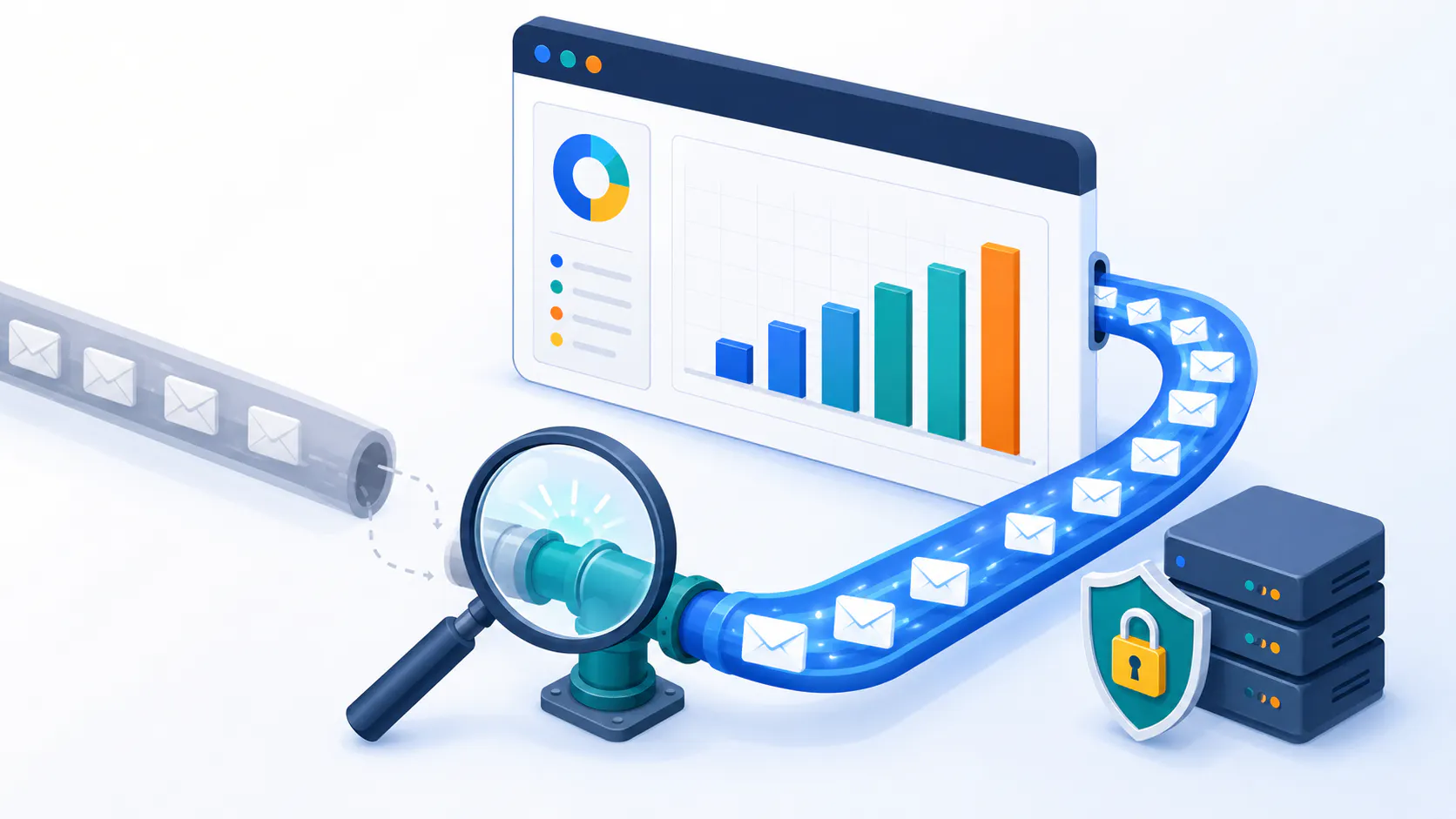
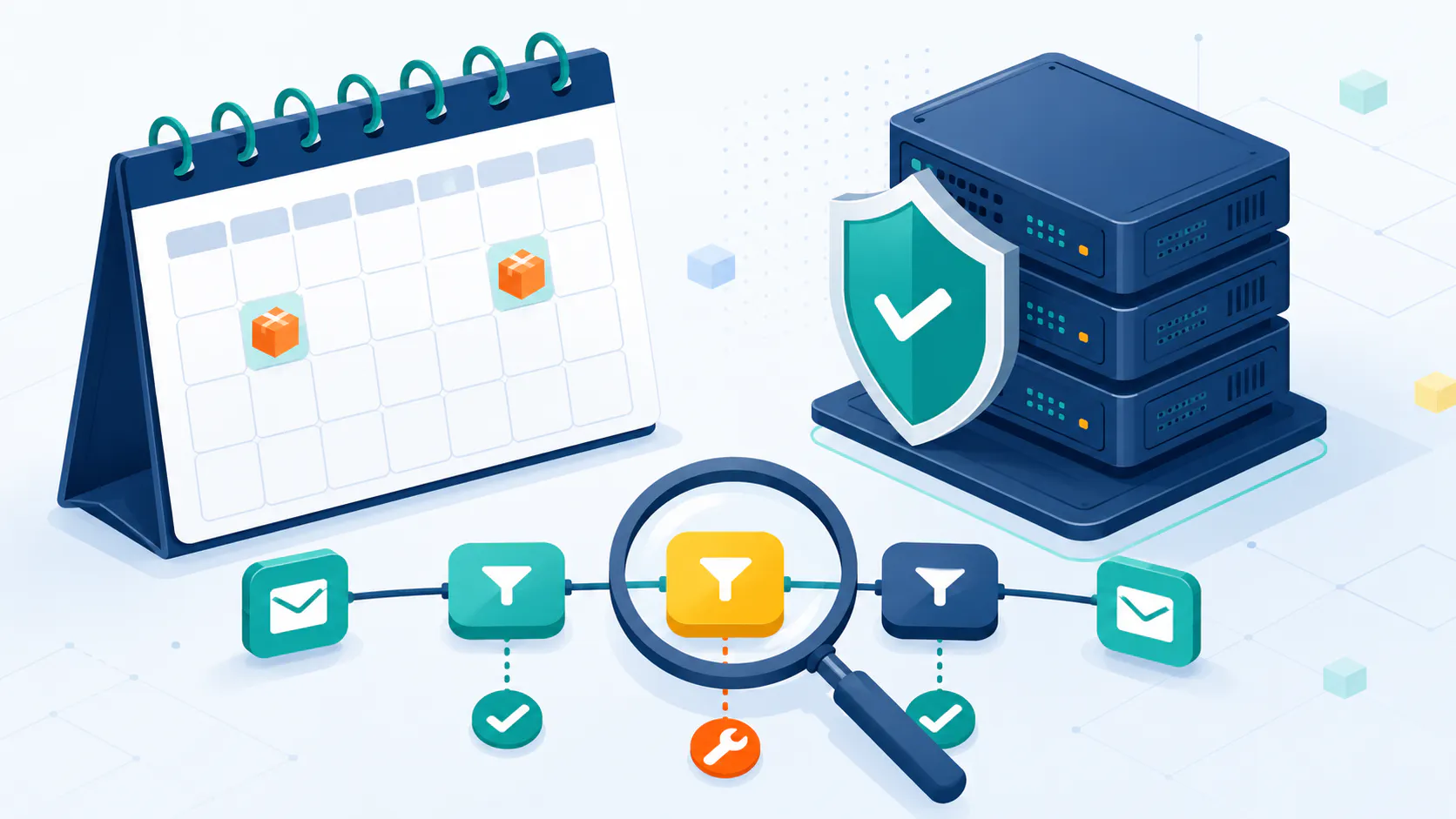
Email marketing is a game-changer for doctors wanting to build stronger connections with their patients. By getting the hang of email marketing basics and its perks, doctors can use this tool to reach out effectively and hit their goals.
Email Marketing Basics
Email marketing is all about sending targeted messages to a bunch of people via email. It’s a budget-friendly way to keep in touch with patients, giving them useful info and updates. Here’s the lowdown:
Building an Email List: Gather email addresses from patients through appointment forms, website sign-ups, and other touchpoints.
Creating Engaging Content: Cook up content that grabs attention and is useful. Think newsletters, appointment reminders, and health tips.
Designing Emails: Make your emails look good and include clear calls to action (CTAs) to get patients to engage.
Sending Campaigns: Use email marketing platforms to schedule and send your emails to the right folks.
Monitoring Performance: Keep an eye on metrics like open rates, click-through rates, and conversions to see how well your emails are doing.
For a beginner-friendly guide on email marketing, check out this post.
Benefits of Email Marketing
Email marketing has a bunch of perks for doctors wanting to boost patient relationships and streamline communication. Here are some big ones:
Cost-Effectiveness: Email marketing is cheaper than traditional marketing, letting doctors reach a lot of people without breaking the bank.
Direct Communication: Emails give doctors a direct line to patients, perfect for sharing important updates, health tips, and appointment reminders.
Personalization: Email marketing platforms let you send personalized messages, making patients feel special and boosting engagement.
Patient Education: Use emails to teach patients about health topics, leading to better health outcomes and patient compliance.
Increased Patient Retention: Regular emails help build trust and loyalty, keeping patients coming back.
BenefitDescriptionCost-EffectivenessCheaper than traditional marketingDirect CommunicationDirect line to patientsPersonalizationTailored messagesPatient EducationEducates patients on health topicsIncreased RetentionBuilds trust and loyalty
In today’s innovative digital health era, these benefits go beyond marketing—they allow doctors to deliver better patient care. By using modern email tactics, you can stay ahead of the game in patient engagement and retention.
Picking the Best Email Marketing Platform
Choosing the right email marketing platform is a game-changer for doctors looking to boost patient relationships through smooth communication. Let’s break down what you need to consider to find the perfect fit for your medical practice.
What to Look For
When you’re on the hunt for an email marketing platform, keep these things in mind:
Ease of Use: You want something that’s straightforward. No one has time to wrestle with complicated software.
Cost: Make sure it fits your budget. Many platforms have tiered pricing based on how many subscribers you have or how many emails you send.
Integration: It should play nice with your existing practice management software and other tools.
Customer Support: Good support is a lifesaver when things go sideways.
Deliverability: High deliverability rates mean your emails actually land in inboxes, not spam folders.
Analytics: You need solid analytics to see how your campaigns are doing and where you can improve.
Must-Have Features
To get the most bang for your buck, look for these features:
Segmentation and Personalization: You should be able to divide your list into groups and tailor content to specific patient groups. You can learn how to segment your list here.
Automated Campaigns: Automation lets you set up email sequences for things like appointment reminders and follow-ups.
Templates and Design Tools: Customizable templates and design tools make it easy to create professional-looking emails.
Compliance Features: Make sure the platform complies with healthcare regulations like HIPAA to keep patient info safe.
A/B Testing: This helps you figure out what email content and design work best.
Mobile Optimization: Your emails should look good on mobile devices since many patients will read them mainly on their phones.
Picking the right email marketing platform can really step up your patient communication game. You can check out the best email marketing solutions here.
Email Marketing Tips for Doctors
Finding Your Audience
Getting your emails to the right folks is key, especially in healthcare. By knowing who you’re talking to, you can make sure your messages hit home.
Patient Groups: Use patient info to group them by age, medical history, and treatments. This helps you send messages that matter to them.
Behavior Clues: Look at how often patients book appointments or open your emails. This helps you fine-tune who gets what (Brown et al., 2020).
Ask and Listen: Use surveys to get feedback. Knowing what patients like or dislike helps you create better content (Smith, 2019).
With these tricks, your emails will land in the right inboxes, making patients more likely to engage and trust you.
Crafting Your Emails
Making your emails look good and sound interesting is half the battle. Here’s how to do it right:
Make It Personal: Go beyond just using their name. Tailor your content based on their medical history and preferences.
Look Good: Keep your design clean and professional. Use images, infographics, and videos to keep things interesting (Johnson, 2018).
Clear Next Steps: Every email should tell patients what to do next, like booking an appointment or reading a blog post.
Teach and Inform: Share health tips, treatment options, and the latest medical news. This builds trust and shows you care (White et al., 2021).
Mobile-Friendly: Make sure your emails look good on smartphones since many people check their emails on the go.
Content ElementImportanceExamplePersonalized GreetingsHigh“Hey [Patient Name]”Visual ElementsMediumHealth tip infographicsClear CTAHigh“Book Your Appointment Now”Educational MaterialHighArticles on preventive careMobile OptimizationHighResponsive email design
By focusing on these elements, doctors can create emails that patients actually want to read. For more tips, check out our article on the best email marketing strategies for email campaign optimization.
Implementing Email Campaigns
Nailing email marketing for doctors isn’t just about whipping up snazzy content. It’s about setting up and keeping an eye on your email campaigns. Let’s break it down.
Getting Started with Campaigns
Launching email campaigns takes a few key steps to make sure they hit the mark and reach the right folks.
Set Your Goals: Know what you want to achieve. Are you aiming to get more appointments, share health tips, or update patients about new services?
Know Your Audience: Use patient data to group your audience by age, medical history, or how often they visit. This way, your emails are spot-on for each person.
Craft Great Content: Make your emails informative and interesting. Share health tips, send appointment reminders, or talk about new services. Keep it professional but friendly.
Design Smart: Use templates that look good on phones and are easy to read. Add a clear call-to-action (CTA) and make sure the layout is simple.
Test Before Sending: Do A/B testing to find the best subject lines, images, and content layout. This helps you tweak the email for better results.
Pick the Right Time: Schedule your emails for the best times. Research says weekdays, especially Tuesday and Thursday mornings, get more opens.
StepWhat to DoSet GoalsDecide what you want to achieveKnow AudienceGroup your audience using patient dataCraft ContentMake it informative and interestingDesign SmartUse mobile-friendly templates with CTAsTest Before SendingDo A/B testing for the best resultsPick the Right TimeSchedule emails for optimal times
Keeping an Eye on Results
Watching and understanding your email campaign results is key to knowing what works and what needs tweaking.
Track Metrics: Use your email platform to keep an eye on key stats like open rates, click-through rates (CTR), and conversion rates. These numbers show how well your campaign is doing. Here are the top 14 metrics you should track.
Check Engagement: See which parts of your email get the most clicks and how long people spend reading it.
Watch Bounce Rates: Keep an eye on bounce rates. High bounce rates might mean your email list has old or wrong addresses.
Tweak Based on Data: Use what you learn to adjust your campaigns. If certain content or subject lines work better, use more of those
Report and Reflect: Regularly report on your campaign’s performance. Think about what worked and what didn’t, and use these insights to make your strategy better.
MetricWhat It MeansOpen Rates% of people who open the emailClick-Through Rates (CTR)% of people who click on linksConversion Rates% of people who take the desired actionBounce Rates% of emails that couldn’t be delivered
For more tips on email marketing, for specific industries, check out this article.
Best Practices for Email Marketing Success
Personalization and Segmentation
Personalization and segmentation are game-changers in making email marketing work for doctors. By customizing emails for different patient groups, doctors can make sure the content hits home.
1. Why Personalization Matters
Personalization means tweaking email content to match the recipient’s likes, actions, and background. Smith and Johnson (2020) found that personalized emails can boost open rates and engagement big time (Journal of Marketing Research). For doctors, this could mean using the patient’s first name, mentioning past visits, or offering health tips that matter to them.
2. Nailing Segmentation
Segmentation is all about splitting your email list into smaller, targeted groups. Brown et al. (2019) say that segmenting your audience can lead to higher conversion rates and better patient relationships (Marketing Today). Doctors can segment their patients based on things like age, medical history, how often they visit, and specific health concerns.
Segmentation CriteriaExample SegmentsAgeTeens, Adults, SeniorsMedical HistoryChronic Conditions, Recent Surgeries, Preventive CareAppointment FrequencyFrequent Visitors, Annual Check-ups, New PatientsHealth ConcernsDiabetes, Heart Health, Mental Wellness
Want more tips on using segmentation in email campaigns? Check out this article.
3. Tools and Techniques
Using email marketing platforms with advanced features can make this process a breeze. Look for tools with dynamic content, automated workflows, and responsive design to make the patient experience smoother. For more on picking the right platform, see our article on email marketing solutions for small businesses.
Staying on the Right Side of the Law
Following email marketing rules is crucial to avoid legal headaches and keep patient trust. Here are some key regulations doctors need to follow.
1. Knowing the Rules
Here are some guidelines for staying compliant. These include getting clear consent from recipients, offering easy opt-out options, and protecting patient info.
2. Must-Follow Regulations
CAN-SPAM Act: Requires clear sender info, a real physical address, and an easy opt-out option.
GDPR: For patients in the EU, this rule demands clear consent for data collection and the right to withdraw consent anytime.
HIPAA: For US healthcare providers, this ensures patient health info is protected in emails.
3. Compliance Best Practices
Always get clear consent before adding patients to your email list.
Make it easy for patients to unsubscribe.
Ensure all email content follows privacy laws and doesn’t share sensitive info without consent.
RegulationKey RequirementApplicable RegionCAN-SPAM ActClear sender info, opt-out optionUnited StatesGDPRClear consent, data protectionEuropean UnionHIPAAProtect health infoUnited States
By following these tips, doctors can up their email marketing game, build stronger patient relationships, and stay compliant with the rules.
Frequently Asked Questions
What are the benefits of email marketing for doctors? Email marketing allows doctors to build relationships with patients, promote services, and drive referrals. It’s a cost-effective way to stay top-of-mind and grow your practice. How often should doctors send emails to patients? The optimal frequency depends on your goals and audience, but aim for 1-2 emails per month. Too many emails can lead to unsubscribes, while too few may make patients forget about you. What types of content should doctors include in their emails? Valuable content like health tips, practice updates, and patient success stories helps engage your audience. Avoid hard sells and focus on providing value. How can doctors grow their email list? Offer incentives like discounts or free consultations for signing up. Promote your list on your website, social media, and in-office. Always get permission before adding contacts. What’s the best time to send emails? Tuesdays, Wednesdays, and Thursdays tend to have the highest open rates. Avoid weekends and late nights when inboxes are busier.