
Email marketing is a game-changer for promoting events, keeping the buzz alive, and sharing must-know info. Let’s break down why it’s awesome and the types of emails you should be sending.
Why Email Marketing is Your Event’s Best Friend
Picture this: you’re planning an event, and you want to create a buzz that’s contagious. You want people to feel the excitement building, to mark their calendars with eager anticipation. That’s where email marketing comes in – it’s like having a personal conversation with every potential attendee, whispering secrets and sharing insider scoops that make them feel like they’re already part of the experience.
Unlike those fleeting social media posts that get lost in the scroll, emails allow you to build genuine connections. Imagine sending a personalized email to a guest, welcoming them by name and offering a sneak peek of the incredible venue you’ve secured. Or picture sharing an exclusive interview with a keynote speaker, giving your audience a taste of the brilliance they can expect.
What’s even better? Email marketing doesn’t break the bank. It’s a budget-friendly way to reach your audience directly, without the hefty price tag of traditional advertising. Plus, you get to see exactly what’s working and adapt your strategy in real-time, like a seasoned conductor fine-tuning an orchestra for a flawless performance.
But it’s not just about getting people to sign up; it’s about creating an unforgettable experience. Email allows you to keep the conversation going, sharing updates, answering questions, and gathering valuable feedback that helps you tailor future events to your audience’s desires.
So, if you’re ready to turn your event into a must-attend affair, email marketing is your secret weapon. It’s the key to building a loyal community, fostering excitement, and making your event the talk of the town.
The Essential Emails for Event Success
Here are the types of emails you should be sending to make your event a hit:
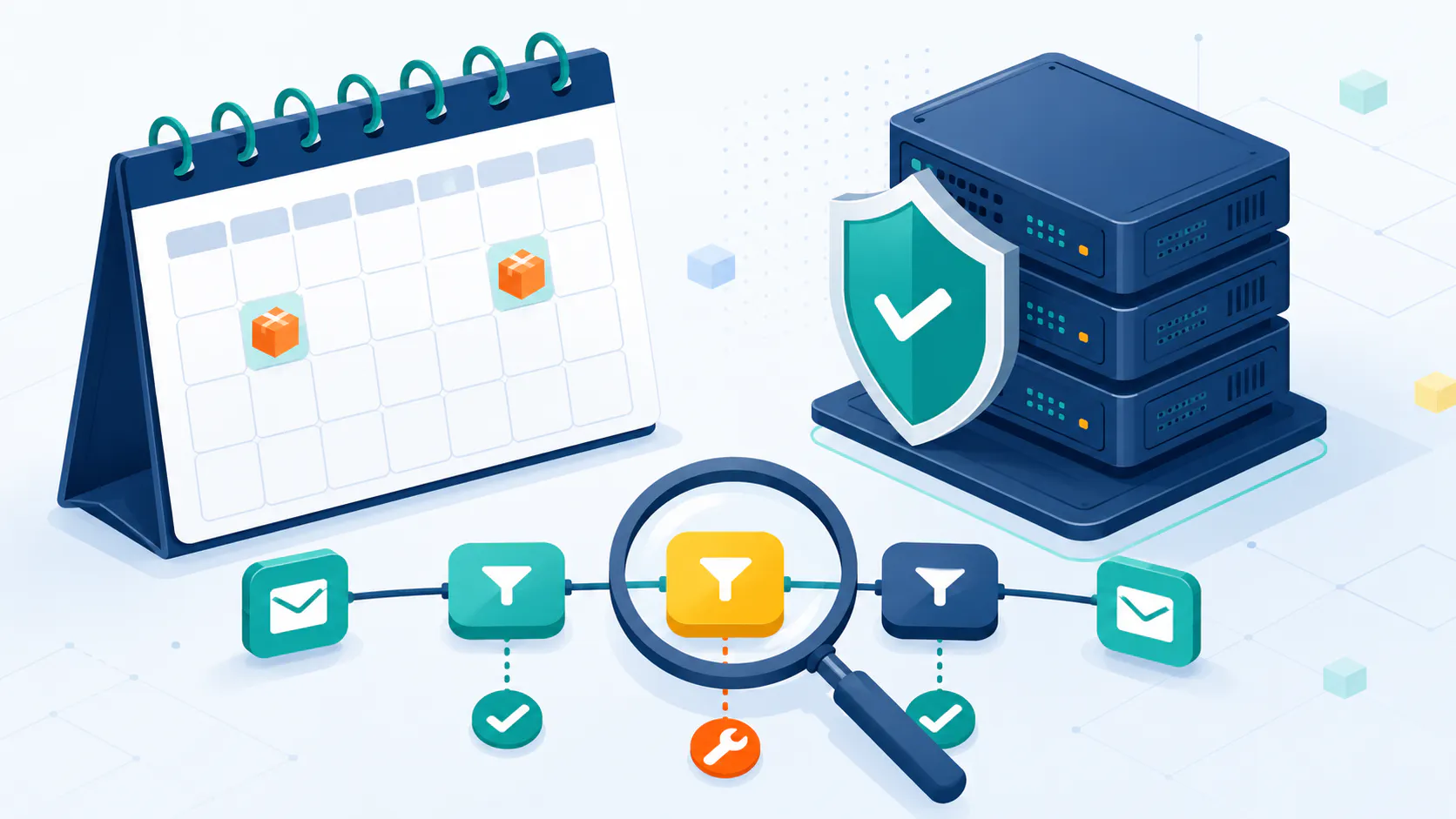
Save the Date: Give people a heads-up about the event date so they can pencil it in.
Event Invitations: Send out the deets—date, time, location, and how to RSVP.
Event Updates: Keep everyone posted on new developments, special guests, or schedule changes.
Teaser Emails: Drop hints about keynote speakers or exclusive activities to build excitement.
Reminder Emails: As the event nears, remind attendees about their registration and any important info.
Confirmation Emails: Confirm registrations with all the necessary details and contact info for questions.
Follow-Up Emails: After the event, thank attendees, share highlights, and ask for feedback.
Email TypePurposeSave the DateNotify recipients of the event date in advanceEvent InvitationsProvide detailed information and RSVP instructionsEvent UpdatesKeep potential attendees informed about new developmentsTeaser EmailsBuild excitement by revealing event highlightsReminder EmailsRemind attendees of their registrationConfirmation EmailsConfirm registration and provide event detailsFollow-Up EmailsThank attendees and gather feedback
By tapping into the power of email marketing and sending the right types of emails, you can make your event a smashing success.
Metrics in Email Marketing: Measuring Your Event’s Pulse
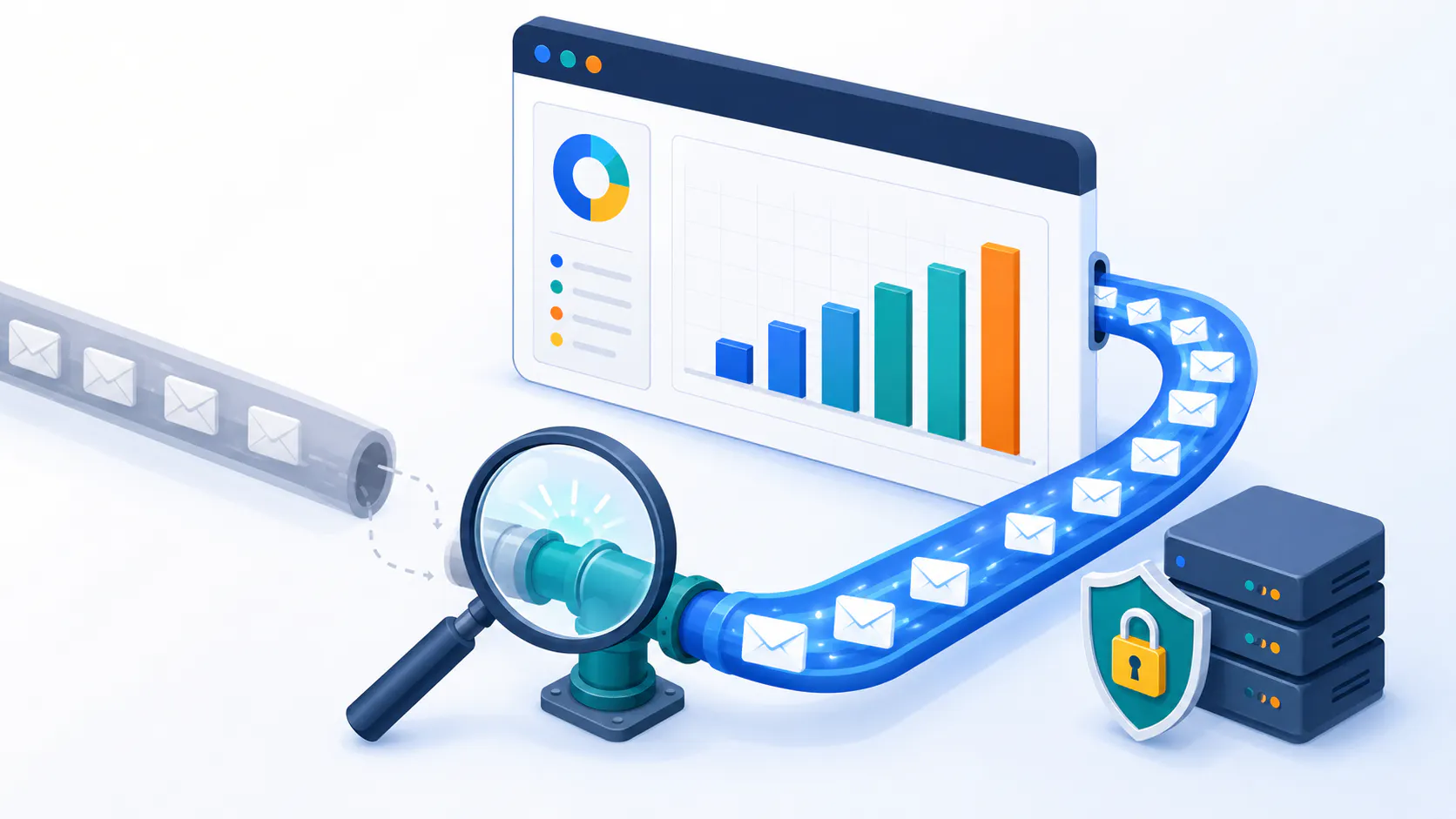
Think of your email metrics as a backstage pass to your audience’s minds. They’re the whispers, cheers, and standing ovations that tell you how your event is resonating. By tuning into these signals, you can fine-tune your performance and ensure a captivating experience for everyone.
Open Rate
This is like the initial applause when the curtain rises. A high open rate means your subject lines are captivating, drawing your audience in like a spotlight. To keep those opens coming, try adding a personal touch with the recipient’s name or teasing exclusive content they won’t want to miss.
Clickthrough Rate (CTR):
This is the measure of how many people are so intrigued by your email that they can’t resist clicking to learn more. Think of it as the gasps and murmurs as the plot thickens. To boost your CTR, make sure your calls to action are clear and enticing, like a captivating invitation to a secret after-party.
Conversion Rate
This is the ultimate standing ovation, the moment when your audience takes action and becomes a part of your event. It’s the culmination of all your efforts, the moment when anticipation turns into participation. To maximize conversions, make sure your registration process is smooth and effortless, like a VIP entrance with no lines or hassles.
Bounce Rate
This is like the sound of crickets chirping in an empty theater. High bounce rates mean your emails aren’t reaching their intended audience, which can hurt your sender reputation and hinder future deliveries. To keep your emails from getting lost in the void, make sure your email list is clean and up-to-date, like a well-maintained guest list with no uninvited party crashers.
Unsubscribe Rate
This is the polite cough as someone slips out the back door. While some unsubscribes are inevitable, a high rate can signal that your content isn’t hitting the right notes. To keep your audience engaged, segment your list and tailor your messages to their specific interests, like a personalized playlist that caters to every musical taste.
List Growth Rate
This is the roar of the crowd as new fans join the party. A growing email list means your marketing efforts are attracting a wider audience, expanding your reach and influence. To keep those numbers climbing, offer valuable incentives like free resources, exclusive content, or early bird discounts, like irresistible backstage passes to your next big show.
Watch those metrics and become a master conductor of your email campaigns, orchestrating a symphony of engagement that leads to a sold-out event and a standing ovation from your audience.
Here is a table with the industry benchmarks so you can compare how your campaigns are doing and what could be improved:
MetricFormulaBenchmark ExampleOpen Rate(Number of opened emails ÷ Number of delivered emails) * 10020%Clickthrough Rate (CTR)(Total clicks OR unique clicks ÷ Number of delivered emails) * 1005%Conversion Rate(Number of people who completed the desired action ÷ Number of total emails delivered) * 1002%Bounce Rate(Number of bounced emails ÷ Number of sent emails) * 100<2%Unsubscribe Rate(Number of unsubscribes ÷ Number of delivered emails) * 100<0.5%List Growth Rate((Number of new subscribers – Number of unsubscribes) ÷ Total number of email addresses) * 1003%
Why Metrics Matter for Event Promotion
Keeping an eye on email marketing metrics is super important for event promotions. Here’s why:
Open Rate: A high open rate means your subject lines are working.
CTR: A high CTR shows your audience is engaged with the event details.
Conversion Rate: This is the ultimate measure of success, showing how many people registered or bought tickets.
Bounce Rate: Keeping bounce rates low ensures a healthy email list.
Unsubscribe Rate: A high unsubscribe rate indicates your content needs tweaking.
List Growth Rate: A growing list means more potential attendees for future events.
By keeping tabs on these key metrics, event marketers can fine-tune their strategies and get the most out of their email campaigns.
Personalization and Segmentation: Tailoring Your Message for Maximum Impact
Imagine walking into a room where everyone feels seen and understood. That’s the power of personalization and segmentation in email marketing. It’s about treating your audience as individuals, not just names on a list.
Segmentation: Divide and Conquer
Segmentation involves dividing your email list into smaller, more focused groups based on shared characteristics. This allows you to send highly relevant content that resonates with each segment’s specific needs and interests. Think of it like organizing a dinner party – you wouldn’t serve the same meal to a vegan guest as you would to a meat lover.
Here are a few ways to segment your audience:
Demographics: Group people by age, gender, location, or occupation. For example, if you’re hosting a tech conference, you might segment your list by job title to tailor your content to developers, marketers, or executives.
Psychographics: Consider their lifestyle, values, and interests. If you’re organizing a yoga retreat, you might segment your list based on their level of experience or preferred yoga style.
Behavior: Look at past event attendance, website activity, or purchase history. Someone who has attended your events before might be more receptive to early bird discounts or exclusive offers.
Engagement: Segment based on how they interact with your emails. Those who consistently open and click your emails might be interested in a VIP experience at your next event.
Using segmentation, you can send messages that match what your audience is doing, leading them through their journey and building real connections. For example, new subscribers might get a welcome series, while loyal customers could get exclusive offers.
Personalization: The Human Touch
Personalization takes segmentation a step further by tailoring your messages to individual preferences. It’s about showing your audience that you truly understand them.
Here are a few personalization tactics to try:
Dynamic content: Change email content based on individual data. For instance, if you know someone has attended a specific type of event in the past, you can highlight similar upcoming events.
Behavioral triggers: Send emails based on specific actions. If someone clicks on a link about a particular speaker, you can follow up with more information about that speaker’s session.
Personalized subject lines: A subject line that includes the recipient’s name or mentions their interests can significantly increase open rates.
Mixing segmentation with personalization in email marketing can help you meet your subscribers’ needs and leave your competitors in the dust. For instance, if you know a group is into a certain type of event, you can personalize the email content to match their interests.
Segmentation and Personalization Table
StrategyExample CriteriaExample TechniquesSegmentationAge, gender, location, engagementWelcome series for new subscribersPersonalizationPurchase history, browsing behaviorDynamic content, personalized subject lines
By using both segmentation and personalization, email marketers can create campaigns that really connect with their audience.
Crafting Emails That Convert: Design and Content
Imagine your email as a beautifully wrapped gift, enticing your recipients with a glimpse of the treasure inside. The design is the elegant wrapping paper that catches their eye, while the content is the thoughtful present that makes them feel valued and understood.
Visual Appeal: Making a Lasting Impression
In today’s world of overflowing inboxes, where attention spans are shorter than ever, your emails need to be more than just informative – they need to be captivating. Think of them as a visual symphony, where every element harmonizes to create a memorable experience.
Brand Consistency: Just like a familiar melody, your brand identity should resonate throughout your emails. Use your event’s colors, logos, and fonts to create a cohesive experience that reinforces your message and builds trust.
Simple Layouts: Imagine a clutter-free stage where the spotlight shines on the most important elements. Keep your emails clean and uncluttered, using clear headings, subheadings, and bullet points to guide your readers through the information effortlessly.
High-Quality Images: A picture is worth a thousand words, and in email marketing, it can be the difference between a glance and a click. Use high-quality images that capture the essence of your event, evoke emotion, and leave a lasting impression.
Mobile Optimization: In a world where people are constantly on the move, your emails need to be as adaptable as they are. Ensure your emails are responsive and look stunning on any screen size, whether it’s a sprawling desktop or a pocket-sized smartphone.
Content Strategies: Engaging Your Audience
The content of your email is the heart of the message, the story you tell to captivate your audience and inspire them to take action. Think of it as a conversation with a friend, where you share exciting news, offer valuable insights, and make them feel like they’re part of something special.
Personalization
Just like a warm greeting, addressing your recipients by name creates an instant connection. Tailor your content to their interests, showing them that you understand their needs and value their individuality.
Catchy Subject Lines
Your subject line is the first impression, the opening line that determines whether your email gets read or ignored. Make it count by using strong verbs, creating a sense of urgency, or piquing curiosity.
Clear Call to Action
Don’t leave your audience guessing what to do next. Tell them exactly what you want them to do, whether it’s “Register Now,” “Learn More,” or “Get Your Tickets.” Make your call to action clear, concise, and irresistible.
Essential Information
Provide all the necessary details about your event, like a detailed itinerary for an adventure. Include the date, time, location, speakers, agenda highlights, and anything else that will help your audience make an informed decision.
Interactive Elements
Just like a lively conversation, your emails should be engaging and interactive. Add polls, surveys, or RSVP buttons to encourage participation and make your audience feel like they’re part of the action.
By combining captivating design with compelling content, you can create emails that stand out in a crowded inbox, capture your audience’s attention, and drive them to take action. Remember, your emails are an extension of your event, a preview of the unforgettable experience that awaits.
For more tips and tools, continue here: The Anatomy of a Perfect Email: Building Campaigns That Convert
Email Automation: Your 24/7 Marketing Assistant
Imagine having a tireless assistant who works around the clock, sending perfectly timed emails to your audience, nurturing leads, and freeing up your time to focus on the bigger picture. That’s the magic of email automation – it’s like having a personal concierge for your event, ensuring every guest receives the VIP treatment.
Time-Saving: No more repetitive tasks. Automation handles welcome emails and follow-ups, freeing you up for the big-picture stuff.
Behavioral Triggers: Send emails based on what they do. If someone clicks on an event link, follow up with more info and a registration link.
Pre-Designed Sequences: Set up a series of emails—welcome notes, event reminders, thank-yous. Each one goes out based on actions or timing.
A/B Testing: Test different versions of your emails to see what works best. Try out different subject lines, copy, and CTAs to optimize performance.
Boost Engagement: Tailor emails to what they care about. Personalized invites or exclusive offers can create urgency and drive sign-ups.
For more on automating your email campaigns, check out our guide on email marketing automation. Use these strategies to boost your event promotion and get people engaged.
Best Practices and Tools: Fine-Tuning Your Email Strategy
Even with a solid foundation, there’s always room for improvement. Here are some best practices and tools to help you fine-tune your email marketing strategy and achieve even better results:
Mobile Optimization: With the majority of emails being opened on mobile devices, prioritize mobile-friendly design. This ensures your emails look great and function flawlessly on any screen size.
Audience Segmentation: Remember the importance of segmenting your audience based on demographics, geography, behavior, or psychographics. This allows you to deliver highly targeted messages that resonate with each group’s specific needs and interests.
Email Marketing Platforms: Choosing the right platform can make a world of difference. Consider options like Octeth, Sendloop, Mailchimp, Constant Contact, and HubSpot, each with its own strengths and features. Select the one that best aligns with your budget, technical skills, and marketing goals.
for in-depth comparisons of email marketing solutions, check out these posts:
Top 10 Best Email Newsletter Platforms (2025)
Elevate Your Strategy: Best Email Marketing Software for Small Businesses
Best Enterprise Email Marketing Software for 2025
Explore the Top Amazon SES Alternative Services in 2025
A/B Testing: Don’t be afraid to experiment! A/B testing allows you to compare different versions of your emails to see what performs best. Test elements like subject lines, calls to action, and email content to optimize your campaigns.
Deliverability: Ensure your emails reach the inbox by paying attention to deliverability best practices. This includes maintaining a clean email list, using a reputable email service provider, and authenticating your emails.
Conclusion: Ready to Rock Your Next Event? Email’s Got Your Back!
So there you have it! We’ve journeyed through the exciting world of email marketing for events, and you’re now armed with the knowledge to turn your next event into an absolute smash. Remember, it’s not just about filling seats; it’s about creating an experience that your attendees will rave about.
Think of your emails as a backstage pass to building excitement, forging connections, and making your event the hottest ticket in town. Whether you’re dropping hints about surprise guests, offering exclusive sneak peeks, or simply keeping your audience in the loop, email allows you to be the ultimate host, guiding your guests on a journey that’s both informative and unforgettable.
But don’t forget to keep an eye on those metrics! They’re your secret weapon for understanding what’s working and what needs a little tweaking. Think of them as the feedback from your audience, guiding you towards a performance that deserves a standing ovation.
Now, it’s time to take the stage and put your email marketing skills to the test. Craft those captivating emails, segment your audience like a pro, and watch as your event becomes the talk of the town.
You’ve got this! Go out there and make your next event an email-powered success story.
Frequently Asked Questions
What is email marketing for events? Email marketing for events involves using email campaigns to promote events, engage attendees, and provide updates. Why is email marketing important for events? It helps to reach a targeted audience, increase event attendance, and maintain engagement before, during, and after the event. How can I segment my audience for event emails? Segment your audience based on demographics, past attendance, interests, and engagement levels to tailor your messaging. What type of content should I include in event emails? Include event details, speaker information, agenda highlights, and calls to action, such as registration links. How can I track the performance of my event emails? Use metrics like open rates, click-through rates, and conversion rates to assess the effectiveness of your email campaigns. What is the best time to send event emails? Consider sending emails during peak engagement times, typically mid-week mornings, to maximize open rates. How often should I send emails about my event? Send a series of emails leading up to the event, including save-the-date notices, reminders, and last-minute updates. How can I encourage recipients to register for my event? Use compelling subject lines, clear calls to action, and highlight the benefits of attending to motivate recipients to register. What should I do after the event regarding email marketing?
Follow up with attendees by sending thank-you emails, sharing event highlights, and soliciting feedback to improve future events.