
Struggling to build trust and drive conversions in the competitive world of financial services? Email marketing is the answer. This guide shows you how to leverage its power to nurture client relationships, boost your bottom line, and stay compliant.
Why Email Marketing is a Smart Choice for Financial Services
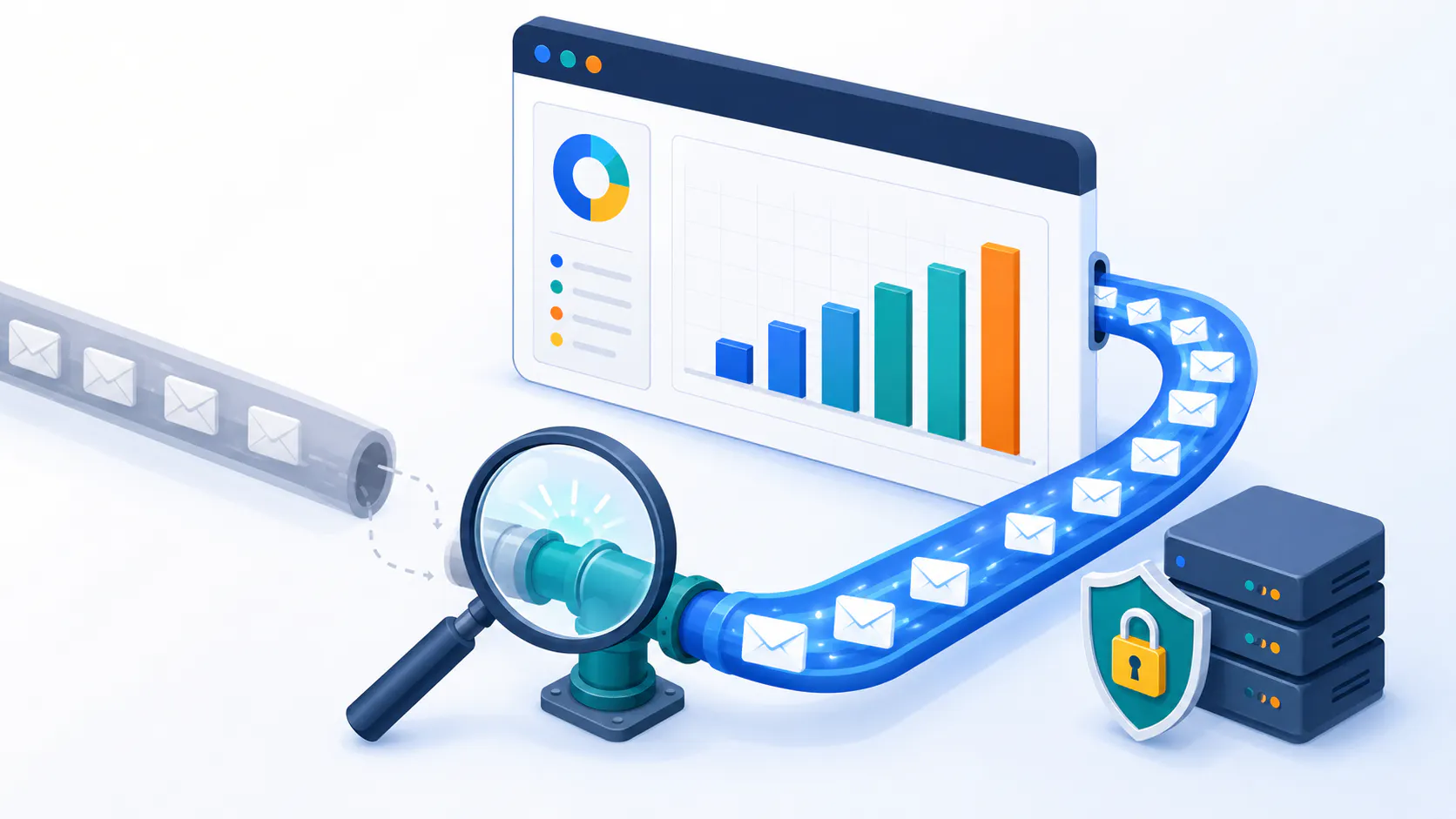
Illustration of email marketing for financial services
In the competitive world of financial services, where trust and personalized attention are paramount, it’s easy to get lost in the sea of digital marketing options. But there’s one strategy that consistently delivers results: email marketing.
Why is email marketing such a powerful tool for financial advisors, wealth managers, and insurance agents? Here’s the bottom line:
High ROI: Email marketing boasts an impressive return on investment. For every $1 spent, email marketing generates an average of $40 in return, according to the Direct Marketing Association. That’s a significant bang for your buck!
Targeted Reach: Unlike social media or display ads, email allows you to reach a highly targeted audience – people who have already expressed interest in your services. This means you’re not wasting your resources on people who aren’t likely to convert.
Personalized Communication: Email allows you to tailor your messages to individual clients, providing relevant advice, offers, and updates that resonate with their specific needs and financial goals. This personalized touch builds trust and strengthens relationships.
Measurable Results: With email marketing, you can track key metrics like open rates, click-through rates, and conversions, giving you valuable insights into what’s working and what’s not. This data-driven approach allows you to continuously optimize your campaigns for better results.
Cost-Effectiveness: Compared to traditional marketing methods like print advertising or direct mail, email marketing is incredibly cost-effective. You can reach a large audience with minimal expense.
But don’t just take our word for it. Here’s what the data shows:
73% of millennials prefer to communicate with businesses via email. (source: Adobe) This highlights the importance of email for reaching younger generations.
99% of consumers check their email every day. (source: OptinMonster) Your message is likely to be seen!
Segmented email campaigns have an open rate that is 14.32% higher than non-segmented campaigns. (source: Mailchimp) Personalization matters!
In a world where digital communication is king, email marketing remains a powerful tool for financial services companies to connect with clients, build trust, and drive business growth.
The Importance of Email Marketing Metrics
Before we dive into email strategies, let’s cover the basics, email marketing metrics are the key. They are like your report card, showing how well your emails are doing. They tell you if people are opening your emails, clicking on links, or if your emails are bouncing back. Keeping an eye on these numbers helps you tweak your emails to make them more engaging and effective, which is especially important in the trust-driven world of financial services. Regularly checking these metrics also helps you clean up your email list, so you’re only sending emails to people who actually want them.
Here are the big ones:
MetricWhat It MeansWhy It Matters in Financial ServicesOpen RateHow many people opened your email.Shows if your subject lines are compelling and relevant to your target audience’s financial interests.Click-Through Rate (CTR)How many clicked on a link in your email.Indicates how engaging your content is and how effective your calls to action are for financial products.Click-to-Open Rate (CTOR)Clicks divided by opensShows if your email content is interesting. Formula: CTOR = (Number of Clicks / Number of Opens) * 100Bounce RateHow many emails didn’t get delivered.Helps you maintain a clean email list and avoid damaging your sender reputation, which is crucial for trust.Conversion RateHow many people did what you wanted them to do (e.g., scheduled a consultation).The ultimate measure of your email campaign’s success in driving business outcomes.Unsubscribe RateHow many people unsubscribed.Shows if your content is relevant and not annoying. Formula: Unsubscribe Rate = (Number of Unsubscribes / Number of Delivered Emails) * 100
Key Email Metrics: Going Deeper
Let’s dive a little deeper into two crucial metrics: Click to Open Rate (CTOR) and Unsubscribe Rate.
Click to Open Rate (CTOR): Are Your Emails Engaging?: The Click to Open Rate (CTOR) is your go-to for figuring out if your emails are hitting the mark after they’ve been opened. It tells you how many people clicked on something in your email after opening it. A high CTOR means folks are digging what you’re sending.
Unsubscribe Rate: Keeping Your Audience Engaged: The Unsubscribe Rate is like the “breakup text” of email marketing. It shows how many people are saying “no thanks” to your emails. A high Unsubscribe Rate can mean your content isn’t hitting home, you’re emailing too much, or your design needs work. Keeping an eye on this helps you tweak your strategy to keep folks around.
Pumping Up Your Conversion Rates: Turning Clicks into Clients
Conversion rate is the “money shot” of email marketing. It shows if your emails are actually getting people to buy something, sign up, or take any action you want. Here’s how to make those rates soar:
Segment Your Audience: Speak Directly to Their Needs: Break your audience into groups based on what they like, how they behave, or their demographics. This way, you can send them stuff they actually care about. For example, you might segment by investment goals (retirement planning, college savings), risk tolerance (conservative, moderate, aggressive), or life stage (young professionals, families, retirees).
Get Personal: Build Trust, One Email at a Time: Use their names, talk about things they’re interested in, and offer them deals they can’t resist. Personal touches make a big difference, especially in financial services where trust is paramount. Imagine receiving an email that says, “Hi [Name], we noticed you downloaded our guide to retirement planning. We’d love to offer you a free consultation to discuss your specific needs.”
Clear Call-to-Actions (CTAs): Make it Easy to Take the Next Step: Make sure your CTAs are easy to spot and hard to ignore. Tell them exactly what you want them to do. Instead of a generic “Click Here,” try something like “Schedule Your Free Consultation” or “Download Your Personalized Financial Plan.”
A/B Testing: The Secret to Continuous Improvement: Try out different versions of your emails to see what works best. Maybe one subject line gets more opens, or one CTA gets more clicks. Test and learn. For example, you could A/B test two different subject lines for a retirement planning email: “Secure Your Future: A Guide to Retirement Planning” vs. “Retirement Planning: Are You on Track?”
Killer Email Strategies: Taking Your Email Game to the Next Level
Nailing your email game is crucial for rocking email marketing for financial services. Think segmentation, personalization, and automation to keep your audience hooked and clicking.
Segmentation and Personalization: The Dynamic Duo
Breaking down your audience and making it personal is where the magic happens. When you tailor your emails to fit the unique needs and interests of different groups, you’ll see those open and click rates soar. Forbes backs this up, showing that segmentation and personalization are key to higher engagement. For financial services, this means sorting clients by their financial goals, life stages, and investment preferences. Then, sprinkle in some personalization with dynamic content like merge tags to make each email hit home.
BenefitWhat It MeansHigher EngagementMore opens and clicks because the content is spot-on.Trust BuildingPersonalized emails make clients feel valued and understood.Better ConversionsRelevant content leads to more actions and sales.
Automation in Email Campaigns: Your 24/7 Assistant
Automated emails are like having a personal assistant who never sleeps. From welcome messages to re-engagement campaigns, automation keeps the conversation going without you lifting a finger. In financial services, automation can handle onboarding new clients, sending account updates, and reminding folks about upcoming payments. This saves you time and ensures timely, relevant communication, making your clients feel like VIPs.
Here are some automated campaign types you should consider setting up:
Campaign TypeWhat It DoesWelcome EmailsGreet new subscribers and set the stage for your relationship.Account UpdatesKeep clients in the loop about their finances and account activity.Re-engagementWake up those sleepy subscribers with targeted offers and content.Payment RemindersHelp clients avoid late fees with timely nudges.Onboarding SequencesGuide new clients through the initial stages of working with your firm.
Mobile Optimization: Meeting Your Clients Where They Are
Let’s face it, everyone’s glued to their phones these days. So, if you’re in the financial services game and not optimizing your emails for mobile, you’re missing out big time. Most folks check their emails on their phones, so making sure your emails look good on mobile is a no-brainer.
MetricDesktopMobileOpen Rate22%56%Click Rate11%15%Conversion Rate5%8%
Email performance metrics demonstrate the importance of mobile optimization.
Why Mobile-Optimized Emails Matter: Making your emails mobile-friendly isn’t just a nice-to-have; it’s a must. Think about it: responsive design, clear calls to action, and easy-to-read content all make for a smooth experience on smartphones. And since email marketing is a budget-friendly option for financial services, getting it right on mobile can seriously boost your ROI.
Nailing Responsive Design: Responsive design makes sure your emails look sharp on any device, be it a desktop, tablet, or smartphone. Here’s how to get it right:
Flexible Layouts: Use layouts and templates that adapt to different screen sizes. This way, your email content always looks spot-on.
Single Column Design: A single-column layout is easier to read on mobile and avoids that annoying horizontal scrolling.
Clear Call to Action: Make your CTAs obvious and easy to tap. Ensure buttons have enough padding to avoid accidental clicks.
Readable Fonts: Use fonts that are big enough to read on small screens. Go for at least 14px for body text and 22px for headers.
Optimized Images: Make sure images load fast and look good on smaller screens. Use alt text for images in case they don’t load.
Consistent Branding: Keep your branding consistent with your website, including logos, colors, and social media links. This builds trust and reinforces your brand identity.
A/B Testing Techniques: Finding What Works Best
Why A/B Testing Matters: A/B testing in email marketing is like a secret weapon for boosting your campaign’s success. It’s all about sending two different versions of an email to separate groups and seeing which one hits the mark. This method helps marketers make smart choices and tweak their strategies for better engagement and conversions. A/B testing is a must for figuring out what works best in your email campaigns, especially in financial services where trust and compliance are key. By playing around with subject lines, content, and visuals, marketers can seriously up their email game.
What to Test in Your Emails: A/B testing can be done on various parts of an email. Here’s what you should focus on:
Test ElementExample Variation AExample Variation BSubject Line“Exclusive Offer Just for You!”“Unlock Your Financial Potential Today”Email ContentFocus on retirement planningFocus on investment opportunitiesCTA Button“Learn More”“Get Started Now”VisualsImage of a happy retireeImage of a growing investment chartLayoutSingle column layoutTwo column layoutSending TimeTuesday at 10:00 AMThursday at 2:00 PM
A/B testing is a powerful tool that lets marketers compare different email versions and make smart decisions to improve their campaigns. By using data and insights to refine their strategies, marketers can get better results and drive more engagement and conversions.
Email Marketing for Financial Services: Building Trust and Staying Compliant
Email marketing is a game-changer for financial services firms aiming to build trust and tackle regulatory hurdles. Let’s break down how to establish trust and stay compliant.
Building Buyer Trust
In the financial services world, trust is everything. Unlike other sectors, financial services marketers face unique hurdles that call for a strategic approach. Building trust means creating a sense of security and reliability, which can be achieved through well-crafted email marketing campaigns.
Consistency in Communication: Regular, consistent communication reinforces the brand’s presence and reliability. Financial firms should send out newsletters, updates, and personalized messages to keep clients informed and engaged. Don’t just disappear after a client signs up – stay in touch regularly.
Personalization: Personalizing emails by addressing recipients by their names and tailoring the content to their specific needs can foster a stronger connection. Show them you know them and understand their financial goals.
Educational Content: Providing insightful and educational content about financial management can position the firm as an industry leader and a trusted advisor. This can include guides, webinars, and expert articles. Offer real value, not just sales pitches.
Security Assurances: Highlighting the security measures and data protection protocols in place can reassure clients about the safety of their personal information. In today’s world, data security is paramount.
Regulatory Compliance Challenges
Navigating regulatory compliance is a critical aspect of email marketing for financial services. Financial marketers must adhere to various regulations to avoid penalties and maintain their reputation.
Data Protection Laws: Compliance with laws such as GDPR (General Data Protection Regulation) and CCPA (California Consumer Privacy Act) is mandatory. These regulations govern how customer data is collected, stored, and used. Financial services companies often handle highly sensitive personal information, making data protection even more critical. Be transparent about how you collect and use data.
CAN-SPAM Act: This US law sets the rules for commercial emails, establishing requirements for commercial messages, giving recipients the right to have emails stopped from being sent to 1 them, and spelling out tough penalties for violations. Key aspects include clear identification of the sender, a working unsubscribe mechanism, and accurate header information. Make it easy for people to unsubscribe.
Clear and Transparent Communication: Financial emails must be clear, transparent, and not misleading. Accurate representation of financial products and services is crucial for compliance. Avoid making exaggerated claims or omitting important details. Honesty and transparency are essential for building trust.
Opt-In and Opt-Out Mechanisms: Ensuring that recipients have clearly opted in to receive emails and providing easy opt-out options is essential for compliance. Never assume consent. Give people control over their email preferences.
Marketers in the financial sector must balance the need to connect with clients on an emotional level while adhering strictly to regulatory requirements. This dual focus helps in building long-term relationships and positioning the firm as a trustworthy industry leader. Understanding these unique challenges and implementing the right strategies can significantly enhance the effectiveness of email marketing campaigns in the financial services industry.
Want more tips? Check out our articles on email marketing for financial advisors and email marketing for insurance agencies. And if you’re ready to take your email marketing to the next level, contact us today for a free consultation!
Frequently Asked Questions
What is email marketing for financial services? Email marketing for financial services involves using email to communicate with clients and prospects, promoting services, and building relationships. Why is email marketing important for financial services? It allows financial institutions to reach clients directly, provide valuable information, and maintain ongoing communication, enhancing client loyalty. What are some effective strategies for email marketing in finance? Personalization, segmentation, compliance with regulations, and providing valuable content are key strategies for effective email marketing in finance. What tools can help with email marketing for financial services? Tools like Sendloop, Octeth, Constant Contact, and HubSpot can assist in managing campaigns, automating emails, and analyzing performance. How often should I send emails to my clients in finance? A regular schedule, such as monthly or bi-weekly, is recommended, but it’s important to balance frequency to avoid overwhelming clients. What are common mistakes to avoid in email marketing for finance? Avoiding compliance issues, neglecting personalization, sending too frequently, and failing to provide valuable content are key pitfalls to avoid.