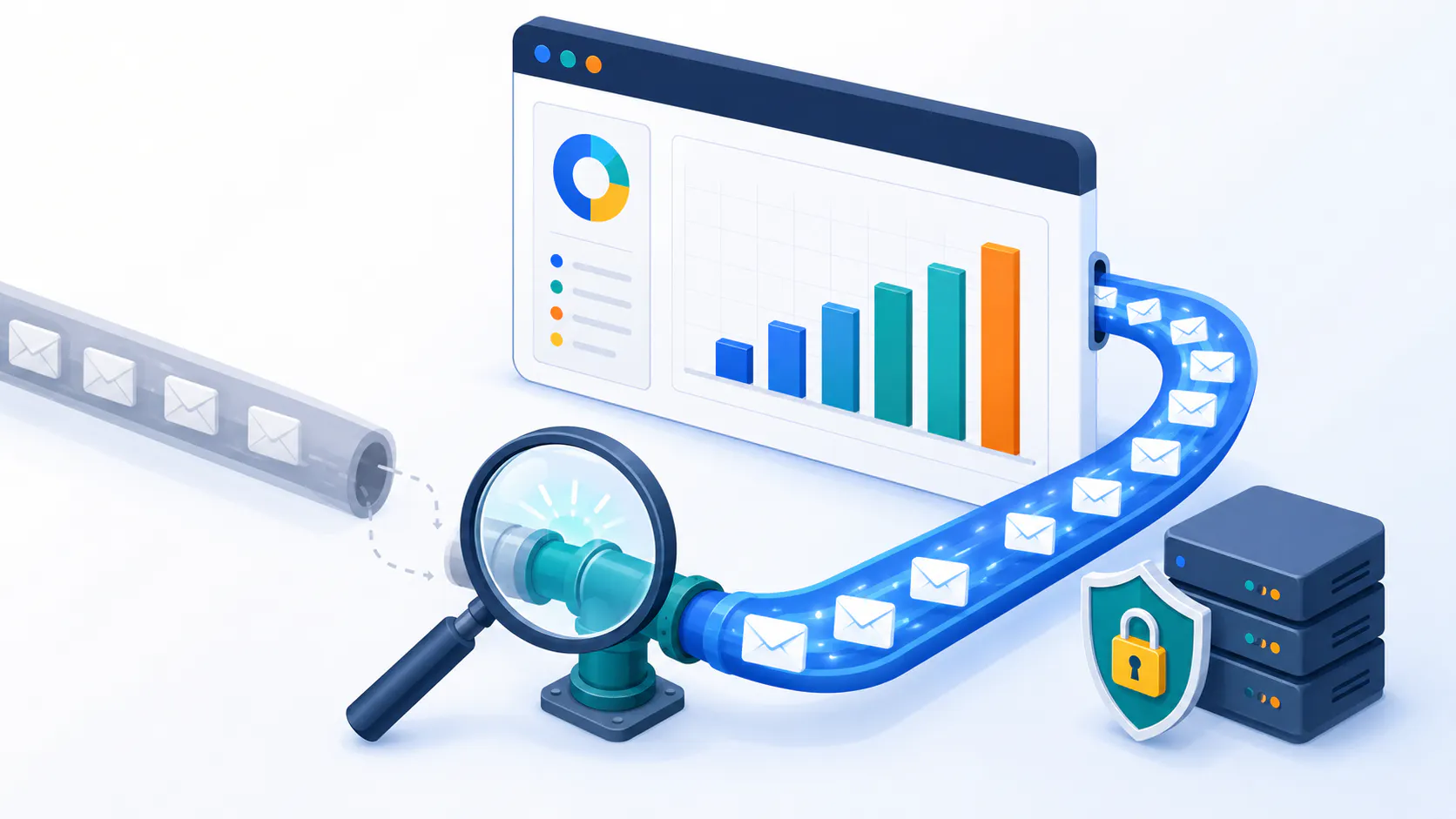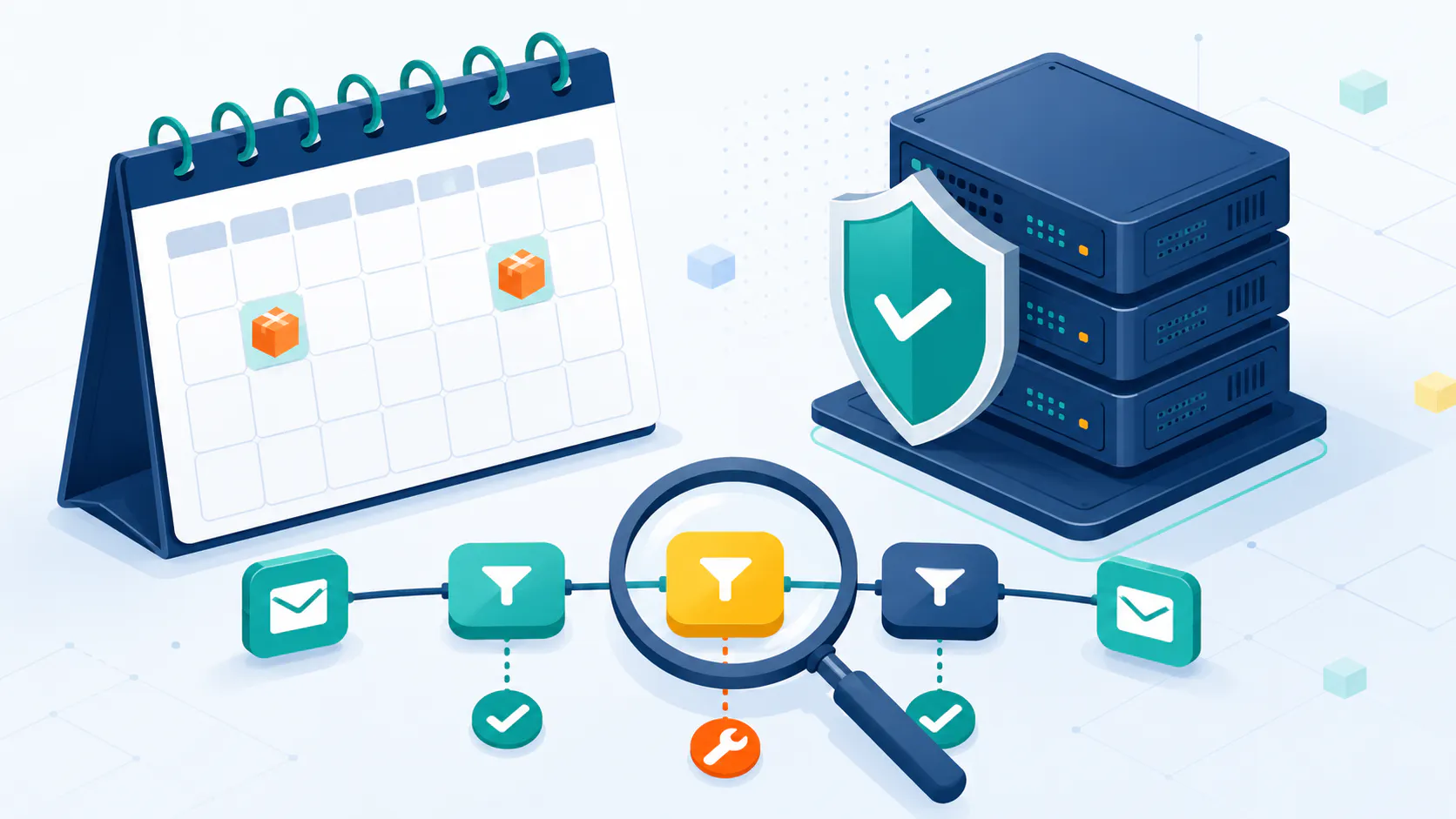

Email marketing has become a game-changer for higher education, helping institutions connect with students, boost engagement, and improve retention. In this guide, we’ll explore actionable strategies and best practices to make email marketing an essential tool for driving success in the education sector.
Email Marketing for Higher Education
Why Email Marketing Matters
Email marketing is a game-changer for colleges and universities. With education-related emails snagging a 24.42% open rate. That’s some serious bang for your buck, making it a no-brainer for schools looking to connect with future students.
But don’t just focus on getting students to sign up. It’s about building relationships. Share stories about student clubs, sports events, campus activities, leadership programs, and individual achievements. These stories make your emails more than just another message in the inbox—they make them a part of the student’s journey.
Keeping Students Hooked
Getting your audience’s attention is half the battle. According to the 2021 E-Expectations Trend Report, 53% of prospective students prefer to reach out to schools via email (Modern Campus). As they get closer to applying, their email interactions with admissions officers ramp up. So, it’s crucial for schools to keep those lines of communication open and buzzing.
Personalization is the secret sauce here. Personalized emails have a 40% higher open rate than generic ones. Tailor your messages to match the interests, needs, and academic goals of your prospective students, and you’ll see better engagement.
Check out this table showing how personalized emails stack up against generic ones:
Email TypeOpen Rate (%)Personalized40Generic28
In a nutshell, focusing on engagement through personalized content, quick responses, and showcasing the vibrant campus life can make your email marketing campaigns in higher education a hit.
Strategies for Higher Ed
Personalization in Email Content
Personalization in email content is a game-changer for email marketing for higher education. Personalized emails have a 40% higher open rate compared to generic ones. Crafting messages that hit home with the interests, needs, and academic goals of prospective students can seriously boost engagement.
Here’s how to nail personalization:
Use Their Name: Start with the basics—address recipients by their first name. It makes the email feel like it’s meant just for them.
Segment Your List: Break down your email list by interests, academic goals, or demographics. This way, you can send more relevant messages. Check out our article on audience segmentation for more tips.
Custom Content: Create content that speaks directly to where the recipient is in their journey. For instance, send info about specific programs they’ve shown interest in or upcoming events related to their field of study.
A personalized touch can turn prospects into enrolled students. Schools can set up automatic journeys to new students to gather data, get them enrolled, keep them engaged and fine-tune their email marketing. To dive deeper into personalization, continue reading here.
Mobile Responsiveness
Making sure your emails look good on mobile is a must, especially since more than half of Americans spend at least 5 hours a day on their phones. Mobile-friendly emails can greatly improve user experience and engagement.
To make your emails mobile-ready:
Responsive Design: Use design techniques that ensure your emails look good on any device—smartphones, tablets, or desktops.
Keep It Simple: Go for clean, simple layouts that are easy to read on smaller screens. Avoid clutter and make sure key info is front and center.
Optimize Visuals: Make sure any images, videos and templates are optimized for mobile viewing. Emails with visuals are more engaging than text-only ones.
By focusing on these strategies, higher ed institutions can supercharge their email marketing. For more tips, see our email marketing best practices blog post.
StrategyBenefitPersonalized Emails40% higher open rateMobile ResponsivenessBetter engagement due to optimized viewing
Implementing these strategies can make your email marketing campaigns more effective and engaging for prospective students.
Best Practices
Audience Segmentation
Breaking down your email list into smaller groups based on interests or demographics is a game-changer in email marketing for higher education. Sending emails that speak directly to specific groups can make a huge difference in how people respond. When you segment your audience by interests, location, age, or how engaged they are, you can see a big jump in engagement rates.
MetricSegmented CampaignsNon-Segmented CampaignsOpen Rates14.31% higherBaselineClick Rates100.95% higherBaseline
These stats come from Tribal Group.
To segment your audience, you can use a CRM system along with marketing software like Octeth. Personal touches, like using the recipient’s name, can make your emails feel more relevant and less likely to end up in the spam folder. Here’s how you can master segmentation.
Personalizing content based on what people care about, where they live, or their age group can make your emails more interesting, especially when trying to attract international students.
Visual Content Effectiveness
Emails with pictures and videos grab more attention than plain text ones. Adding visuals can really boost how much people engage with your emails and remember what they read. Personalized video content in emails has been shown to improve conversion rates.
Visual Content TypeEngagement ImprovementImagesHighVideosVery High
To get the best results, make sure your visuals match the message of your email. Videos are especially good for showing off campus life, student stories, or virtual tours, making them a powerful tool in higher education email marketing.
If you want to get the most out of your email marketing, focus on breaking down your audience into smaller groups and using visual content effectively. This approach can make your email campaigns more successful and keep your audience interested.
Metrics and Measurement
Measuring the success of email marketing campaigns is a must for higher education institutions. It helps them see what’s working and tweak their strategies. Let’s break down the key metrics and methods for tracking success and making those emails pop.
Tracking Success
To see how well your email campaigns are doing, you need to keep an eye on a few important metrics. These numbers tell you how engaged your audience is and how effective your emails are. By using email marketing platforms with CRM tools, you can track open rates, click-through rates (CTR), and more.
MetricWhat It MeansOpen RateHow many people opened your emailClick-Through Rate (CTR)How many clicked on links in your emailConversion RateHow many did what you wanted (like filling out a form)Bounce RateHow many emails didn’t get deliveredUnsubscribe RateHow many people opted out of your list
These metrics help you spot areas that need work and make smart decisions to improve your email game.
Campaign Optimization
Making your email campaigns better means constantly checking how they’re doing and tweaking them based on what you find. Here are some tips to up your email marketing game:
1. Audience Segmentation: Break your email list into groups based on interests, location, demographics, or how engaged they are. Segmented campaigns get 14.31% higher open rates and 100.95% higher click rates than non-segmented ones.
2. A/B Testing: Test different parts of your email, like subject lines, content, and calls-to-action, to see what works best. This helps you fine-tune your approach over time.
3. Leveraging AI: Over 60% of marketers are using AI to create personalized experiences. AI tools can give you data-driven insights and automate personalized email campaigns, freeing up admissions officers to focus on building relationships.
4. Monitoring Key Metrics: Keep an eye on key metrics to track your progress and make adjustments. For example, a high bounce rate might mean there’s a problem with your email list or deliverability.
5. Personalization: Tailor your messages to the recipient’s academic goals and interests to boost engagement. Personalized emails have higher open rates, proving this approach works.
By using these strategies and regularly checking your performance data, higher education institutions can make their email marketing campaigns more engaging and effective.
Integration and Automation
CRM Integration
When it comes to email marketing for higher education, connecting with a Customer Relationship Management (CRM) system is a game-changer. Here’s how to do it. Colleges and universities are getting smarter by using advanced CRM systems to boost their email marketing efforts. By syncing email marketing platforms with CRM tools, schools can keep tabs on open rates, click-through rates, and overall engagement with pinpoint accuracy.
CRM integration lets you break down your audience into specific groups or personas. This means the right message hits the right inbox at the perfect time, making your emails more engaging and boosting conversion rates.
CRM IntegrationBenefitsAudience SegmentationPersonalized ContentTracking EngagementData-Driven InsightsAutomated WorkflowsEfficient Communication
AI in Email Campaigns
Artificial Intelligence (AI) is shaking up email marketing for higher education. Over 60% of marketers are diving into AI to deliver personalized experiences. AI supercharges email campaigns with data-driven insights, helping schools craft powerful messages without the heavy lifting.
AI can handle various parts of your email campaign, from creating content to deciding the best times to send emails, ensuring top-notch engagement. Predictive modeling helps understand student behavior, allowing schools to fine-tune their messages.
AI IntegrationBenefitsPredictive ModelingTailored MessagingAutomationTime EfficiencyData InsightsEnhanced Engagement
Bringing CRM and AI into your email marketing mix not only makes things smoother but also makes your communication more personal and effective. Here’s more on how AI can help you with your email marketing. Curious about how email marketing can help other fields? Check out this post.
Keeping Your Email Marketing Compliant and Clean
Nailing compliance and keeping your data squeaky clean are game-changers for email marketing in higher education. Let’s break down GDPR compliance and data cleansing practices.
GDPR Compliance
Staying on the right side of GDPR is a must for email marketing in higher education. Schools need to follow a few key rules to keep things legit. Here’s the lowdown:
Getting Consent: Make sure folks actually want your emails. Use clear opt-in options and let them bail anytime.
Being Transparent: Lay out your privacy policies in plain English. Tell people how you’ll use their info.
Protecting Data: Keep subscriber info safe and sound from prying eyes.
Access Rights: Let subscribers see their data and delete it if they want.
GDPR RuleWhat It MeansGetting ConsentClear opt-in and opt-out optionsBeing TransparentClear privacy policiesProtecting DataSecure data storageAccess RightsData access and deletion requests
Data Cleansing Practices
Keeping your email list fresh and accurate is key. Data cleansing means regularly updating and scrubbing your email lists to keep them in tip-top shape. Here’s how to do it:
Ditching Inactive Subscribers: Regularly cut loose those who haven’t opened your emails in a while.
Fixing Bad Data: Spot and correct typos or outdated info in your list.
Validating Emails: Use tools to check if email addresses are real and can receive mail.
Segmenting Lists: Break down your list by engagement, demographics, and other factors.
Data Cleansing TaskWhat It MeansDitching Inactive SubscribersRemoving non-engagersFixing Bad DataCorrecting typos and outdated infoValidating EmailsEnsuring emails are realSegmenting ListsGrouping by engagement and demographics
Using these data cleansing tricks can boost your email marketing success.
By sticking to GDPR rules and keeping your data clean, higher ed institutions can build a more engaged and responsive email list, making their marketing efforts more effective.
Frequently Asked Questions
What is email marketing in higher education? Email marketing in higher education involves using targeted email campaigns to communicate with prospective and current students, alumni, and faculty. Why is email marketing important for colleges and universities? It helps institutions engage with their audience, promote events, share news, and improve student retention through personalized communication. What are some best practices for email marketing in higher education? Best practices include segmenting your audience, personalizing content, optimizing for mobile, and analyzing campaign performance. How can email marketing improve student retention? By sending relevant information and reminders, institutions can keep students informed and engaged, which can lead to higher retention rates. What types of emails should higher education institutions send? Institutions should send newsletters, event invitations, application reminders, course updates, and alumni news. How often should colleges send marketing emails? The frequency can vary, but sending emails bi-weekly or monthly is often effective to maintain engagement without overwhelming recipients. How can institutions segment their email lists? Segmentation can be based on demographics, interests, enrollment status, or engagement level to tailor messages more effectively.