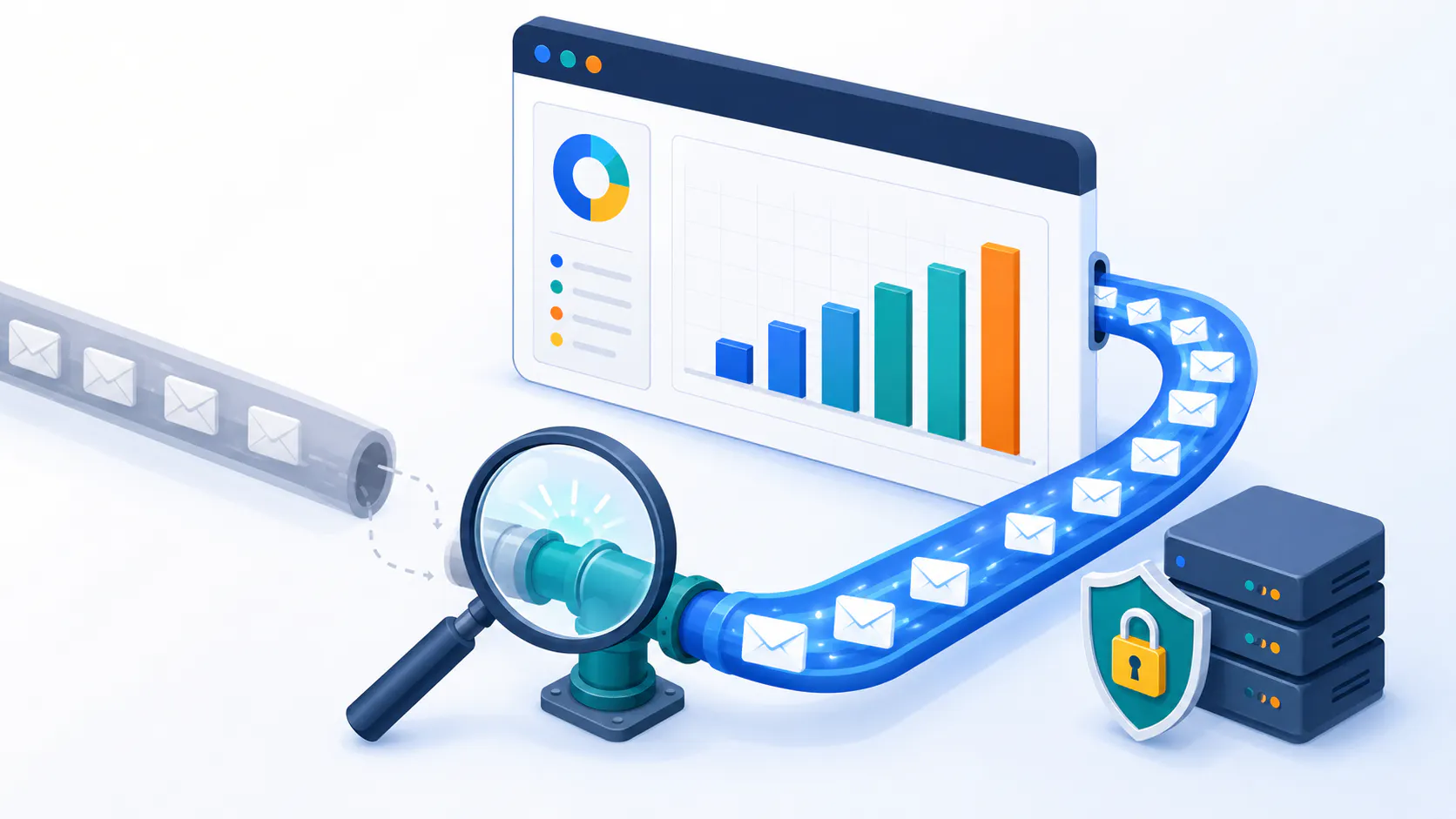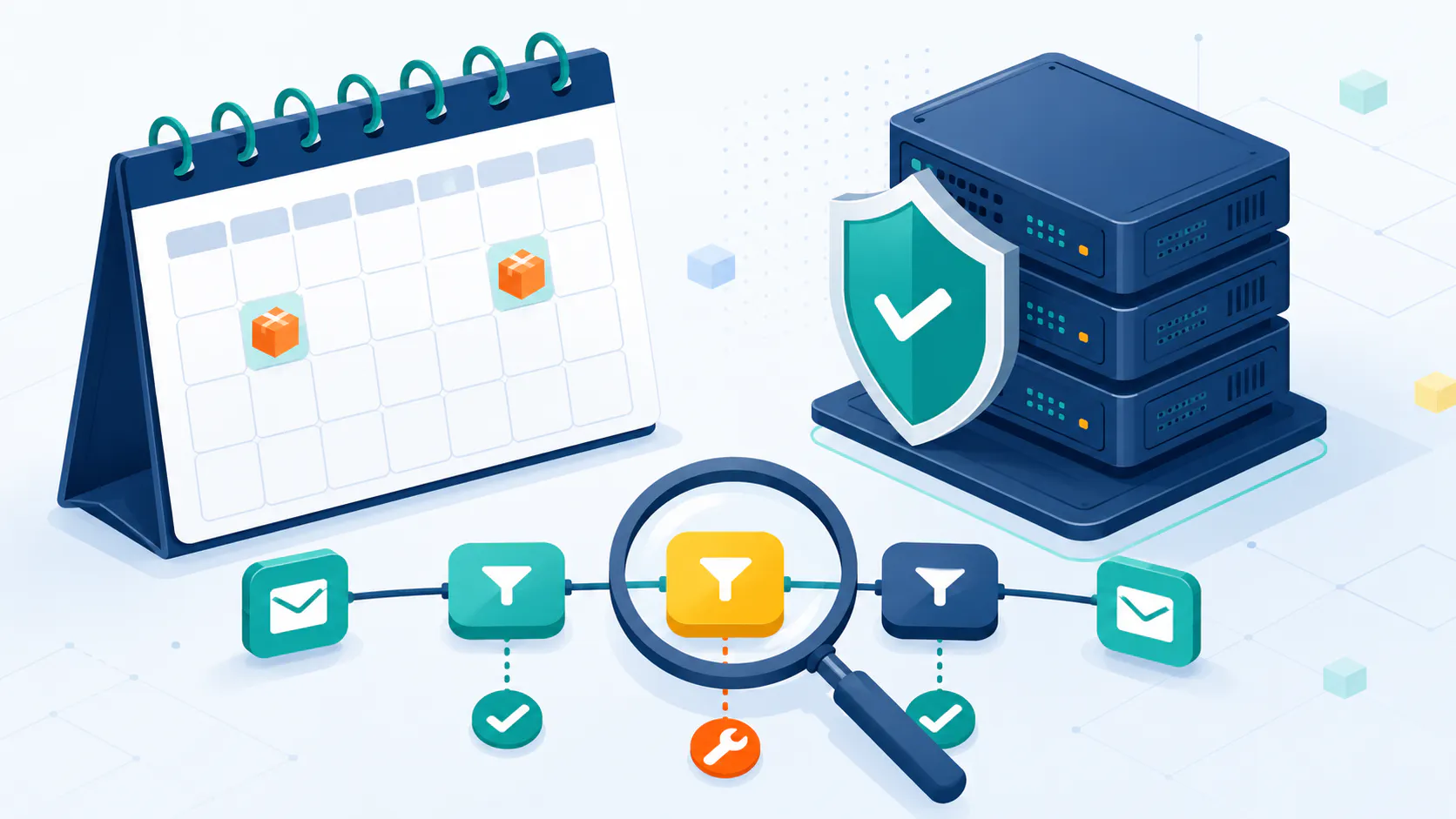

Email marketing is a powerful tool for insurance agents to build trust, attract leads, and grow their business. In this article, we’ll share simple strategies to help you engage clients and boost sales.
Email Marketing Strategies for Insurance Agents
Why It Matters for Insurance Agents
In the insurance game, email marketing is your secret weapon for building trust and keeping those client relationships strong. It’s your chance to share useful info, updates, and helpful professional advice. On average, folks spend about three hours a day checking work emails and another two on personal ones (LinkedIn), making email a prime spot to connect with potential clients.
Email marketing isn’t just a piece of the puzzle; it’s the glue that holds your marketing strategy together. Here’s what it can do for you:
Spread the word about your insurance products and services.
Get clients chatting on social media.
Turn those curious leads into loyal clients.
Keep the conversation going with your current clients.
What You Want to Achieve
Email marketing in insurance isn’t a one-trick pony. Here’s what you should aim for:
Getting New Leads: Draw in potential clients with content they can’t resist.
Keeping Clients Happy: Keep your current clients in the loop with updates and personalized messages.
Getting Referrals: Happy clients are your best marketers—get them to spread the word.
Selling More: Show your existing clients why they need that extra coverage.
Email marketing is versatile, cost-effective, and offers a solid return on investment (ROI), making it one of the best digital marketing tools for insurance agents. By setting clear goals, you can craft email campaigns that hit the mark and drive real results.
Types of Emails for Insurance Agents
Email marketing for insurance agents isn’t just about sending messages—it’s about connecting with clients at every step of their customer journey. Here’s a rundown of the key emails you should be sending:
Newsletters and Updates
Newsletters and updates are your bread and butter. They keep clients in the loop and show them you care. Use these emails to share useful info, announce changes, and keep everyone up-to-date with industry happenings. Regular newsletters build trust and keep your name fresh in clients’ minds. Here are some top email newsletter solutions you might want to check.
What to include in your newsletters:
Tips and tricks about insurance
Updates on policies
Industry news and trends
Seasonal advice
Stories from happy customers
Lead Nurturing Campaigns
Lead nurturing campaigns are like a gentle nudge, guiding prospects to become clients. These are usually a series of automated emails that keep potential clients engaged and informed.
What to include in lead nurturing campaigns:
Welcome emails for new sign-ups
Follow-ups after initial contact
Educational content tailored to their needs
Product suggestions based on their behavior
Case studies and testimonials
Want more tips on generating leads? Check out our article on email marketing for lead generation.
Transactional and Automated Emails
These emails are triggered by specific actions or events, making sure clients get the info they need right when they need it. Think confirmations, reminders, and updates about their policies and claims.
Examples of transactional and automated emails:
Reminders for policy renewals
Guides for the claims process
Payment confirmations and receipts
Appointment reminders
Requests for feedback and surveys
By using these types of emails, insurance agents can build a solid email marketing strategy that keeps clients engaged and boosts conversions. For more tips on email marketing for insurance agencies, check out our article on email marketing for insurance agencies.
Rocking Email Marketing for Insurance Agents
Want to get the most out of your email marketing? Insurance agents, listen up! A killer email strategy can help you reach more clients and keep them engaged. Start with a simple newsletter and use CRM tools to make your life easier and your results better.
Kick Off with a Newsletter
A monthly newsletter is your go-to move. It’s easy and super effective. Newsletters help you stay in touch with clients and give them useful info.
Here’s what makes a newsletter pop:
Useful Content: Share news, tips, and updates about your services.
Eye Candy: Use tools like Octeth or Sendloop, that come with email templates to make your emails look good.
Call to Action: Get readers to do something, like book a consultation or visit your site.
Sending newsletters regularly builds trust and keeps clients in the loop about important stuff.
Get Smart with CRM Programs
Customer Relationship Management (CRM) programs are your secret weapon for email marketing. They help you keep track of clients, manage interactions, and automate your emails when combined with an email marketing platform. You can learn all about it’s benefits here.
Why use CRM programs? Here’s the scoop:
Personal Touch: Segment your email lists to send personalized messages.
Automation: Set up automatic emails for follow-ups, birthdays, and policy renewals.
Track Success: Measure open rates, clicks, and other metrics to see what’s working.
You can check out the popular CRM email marketing solutions here.
Using CRM tools, you can run smooth and effective email campaigns that keep clients engaged and happy.
Tools for Email Marketing
Picking the right tools can make or break your email campaigns, especially if you’re an insurance agent. Let’s check out some top-notch email marketing tools:
Octeth and Sendloop
Octeth and Sendloop are crowd favorites for a reason. They pack a punch when it comes to boosting email campaigns for insurance agents.
Octeth
Octeth is like the Swiss Army knife of email marketing. It’s got an easy-to-use interface and a ton of templates to make your emails look snazzy. Plus, it comes with cool features like segmentation and automation to help you hit the right folks at the right time.
FeatureOctethUser InterfaceSuper easyTemplatesLoads to choose fromAutomationYepSegmentationTop-notchAnalyticsDeep dive
Sendloop
Sendloop is another heavy hitter. It offers powerful tools for email marketing, including automation, segmentation, and detailed analytics. The drag-and-drop email editor makes it a breeze to create professional-looking emails.
FeatureSendloopUser InterfaceIntuitiveTemplatesPlentyAutomationAll-inclusiveSegmentationAdvancedAnalyticsDetailed
Both are solid picks for insurance agents wanting to up their email game. They help with list management, campaign analysis, and keeping your customers engaged.
ConstantContact for Insurance Agents
ConstantContact is another gem, especially for insurance agents. It’s packed with features to help you run your email campaigns smoothly.
FeatureConstantContactUser InterfaceUser-friendlyTemplatesProfessional designsAutomationYesSegmentationBasic to advancedAnalyticsComprehensive
Key Features
Easy-to-Use Interface: Even if you’re new to email marketing, ConstantContact makes it easy to get started.
Professional Templates: Tons of templates that you can tweak to match your agency’s brand.
Automation: Set up automated emails for different triggers to keep in touch with clients.
Segmentation: Target specific groups within your email lists to make your messages more relevant.
Analytics: Get detailed reports to see how your campaigns are doing and make smart decisions.
Using these tools, insurance agents can craft email campaigns that grab attention, nurture leads, and drive conversions.
Best Practices in Email Marketing
Want to make your email marketing for insurance agents pop? Stick to these best practices. They’ll keep you out of legal hot water and make your emails more personal and effective.
Follow the Rules
You gotta play by the rules like CAN-SPAM and GDPR. Messing up here can cost you big time and trash your reputation. Here’s how to stay on the safe side:
Double Opt-In: Make sure folks really want your emails by using a double opt-in process. This keeps your list clean and cuts down on spam complaints.
Easy Unsubscribe: Always have a clear unsubscribe link. It’s not just the law; it shows you respect your subscribers.
Honest Sender Info: Use real sender info, including a physical address. Fake info can get you in trouble with CAN-SPAM.
Privacy Policies: Be upfront about how you’ll use and protect subscriber data. Transparency builds trust and keeps you in line with GDPR.
Make It Personal
Personalization and segmentation can seriously boost your email game. These are top strategies for insurance emails.
Personalized Content: Use names and tailor content to what your subscribers like. Personalized subject lines can get more opens.
Behavioral Triggers: Set up automated emails based on what subscribers do. For example, send a follow-up if they click a specific link or buy something.
Segmented Lists: Break your email list into groups based on things like age, location, or buying habits. This way, you can send more relevant content to each group.
Segmentation CriteriaExampleDemographicsAge, Gender, LocationPurchase HistoryNew Customers, Repeat CustomersEngagement LevelsActive Subscribers, Inactive Subscribers
A/B Testing: Test different subject lines, buttons, and designs to see what works best. This helps you fine-tune your emails.
Regular Newsletters: Keep a consistent schedule with your newsletters. Regular emails keep your audience engaged and looking forward to your content.
By sticking to these best practices, insurance agents can make their email marketing more effective. You’ll stay compliant, build trust, and keep your subscribers engaged. Plus, you’ll see better engagement and more conversions.
Boosting Your Email Campaigns
When it comes to email marketing for insurance agents, making your emails stand out is key to building trust, snagging more leads, and getting your brand noticed. Two tricks to up your email game are A/B testing and using AMP emails.
A/B Testing: The Secret Sauce
A/B testing, or split testing, is like a magic wand for your email strategy. You send two versions of an email to different groups and see which one wins. Insurance agents can play around with subject lines, call-to-action (CTA) buttons, images, and layouts to find out what clicks with their audience.
What to Test:
Subject Lines
Email Content
CTAs
Images
Send Times
Sample A/B Testing Results:
Element TestedVariant AVariant BWinnerSubject Line20% Open Rate25% Open RateVariant BCTA Button Color5% Click Rate8% Click RateVariant BEmail Layout10% Conversion12% ConversionVariant B
Checking out these results helps you figure out what your audience loves, so you can tweak future emails.
AMP Emails: The Game Changer
AMP (Accelerated Mobile Pages) emails are like emails on steroids. They let people do stuff right in the email, like filling out forms, RSVPing to events, or even buying stuff, without leaving their inbox.
Why AMP Emails Rock:
More Engagement
Better Conversion Rates
Smoother User Experience
Real-Life Examples:
Insurance Quote Requests
Customer Feedback Forms
Appointment Scheduling
Using AMP emails can make your campaigns way more interactive and fun. Insurance agents can use them to give subscribers a seamless experience, leading to better engagement and more conversions. For more cool email marketing tips, check out our beginner-friendly email marketing guide here.
Frequently Asked Questions
What is email marketing for insurance agents? Email marketing for insurance agents involves using email to communicate with clients and prospects, promoting services, and nurturing relationships. Why is email marketing important for insurance agents? Email marketing is crucial as it helps agents maintain contact with clients, provides valuable information, and can lead to increased sales and customer loyalty. How can insurance agents build their email list? Agents can build their email list by offering valuable content, using sign-up forms on their websites, and encouraging referrals from existing clients. What types of content should insurance agents include in their emails? Content can include industry news, tips for policyholders, updates on services, client testimonials, and promotional offers. How often should insurance agents send marketing emails? Agents should aim to send marketing emails regularly, such as monthly or bi-weekly, to stay top-of-mind without overwhelming recipients.