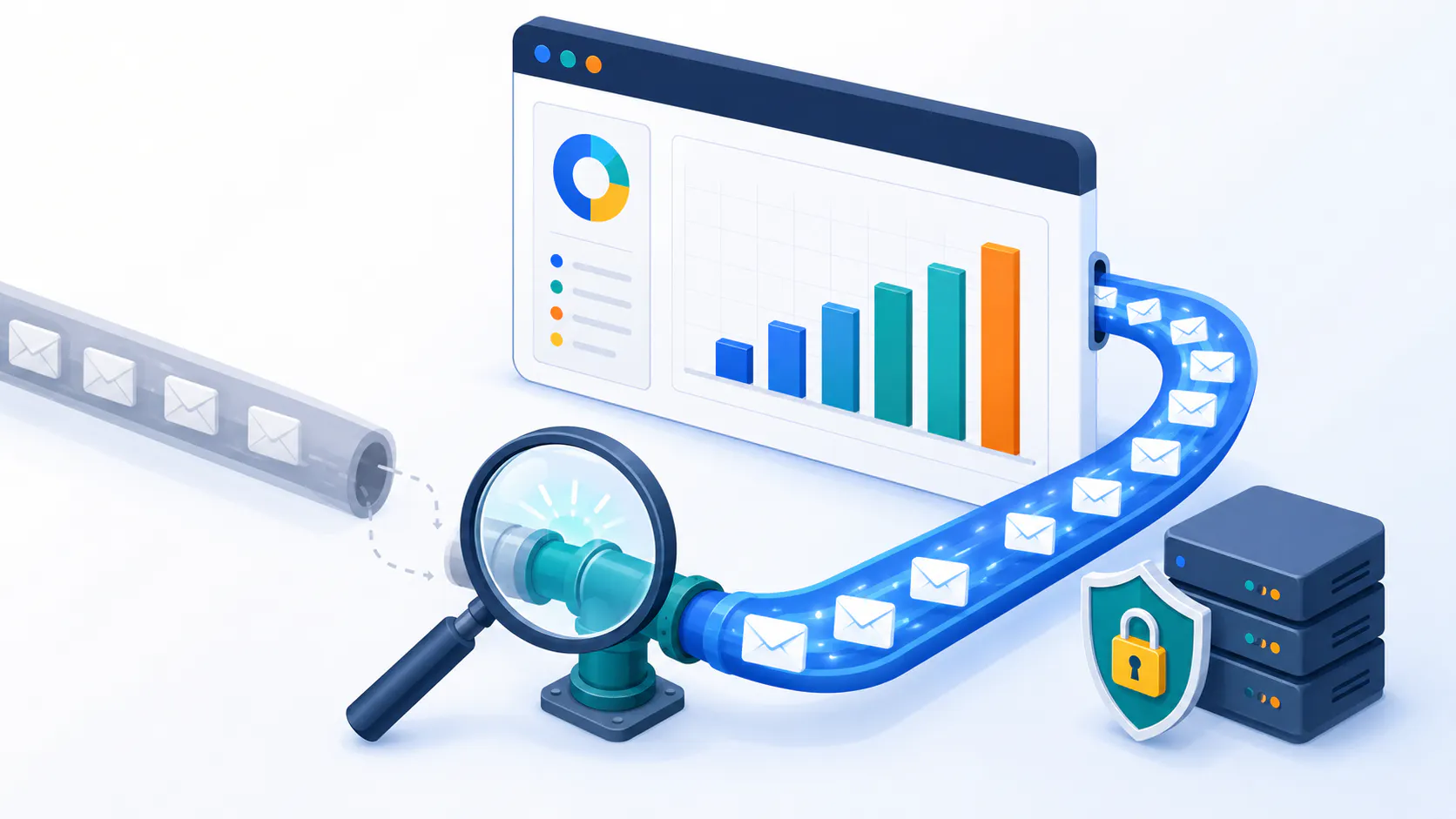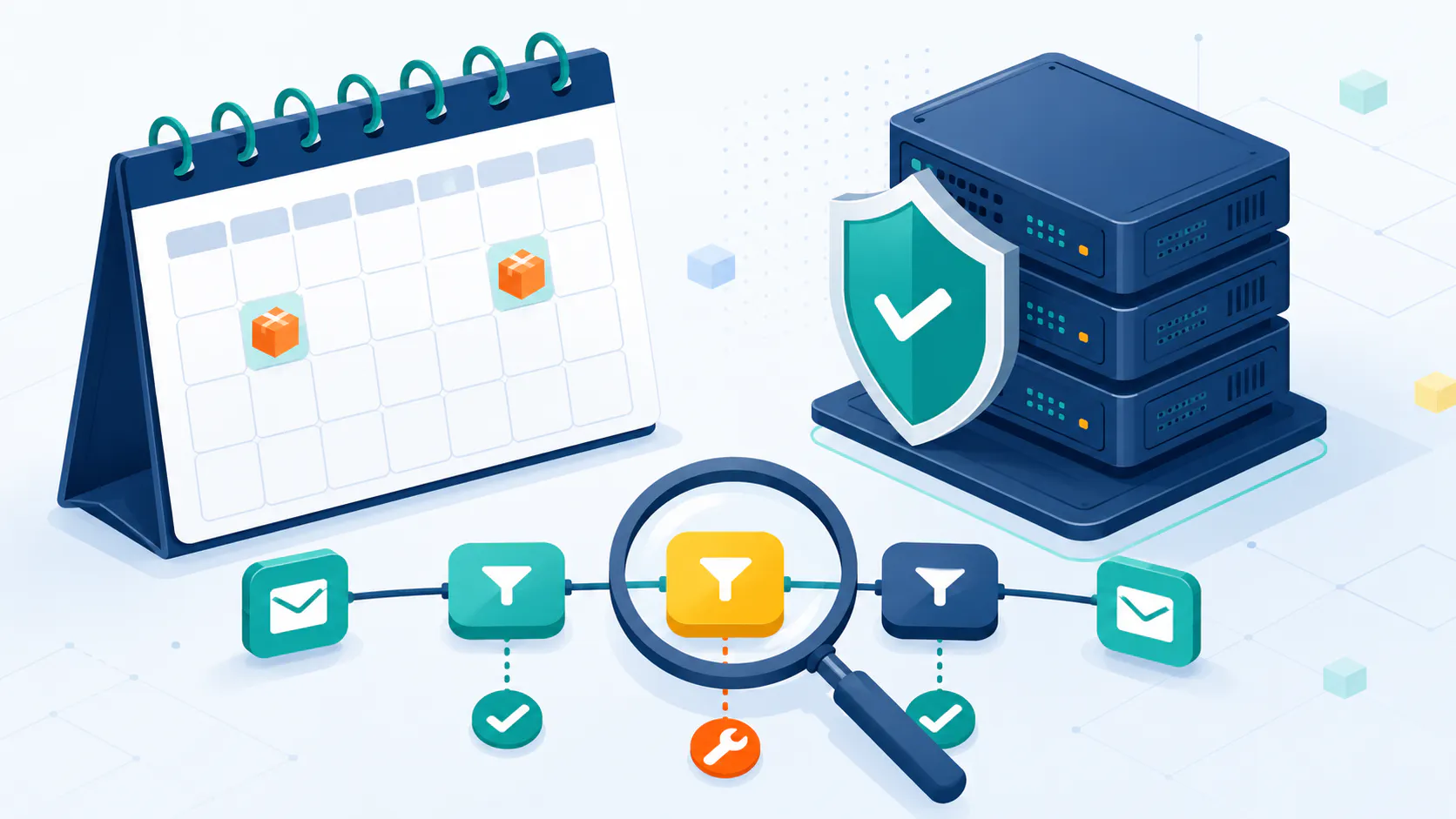

Email marketing is a powerful way for restaurants to connect with customers, promote special offers, and drive repeat business. In this guide, we’ll show you how to use email marketing to grow your restaurant, engage your audience, and build stronger customer relationships. Let’s get started!
Email Marketing Benefits for Restaurants
Why Email Marketing Matters
Email marketing is a game-changer for restaurants looking to connect with their customers and boost foot traffic. With 4.3 billion people using email in 2023, and that number expected to hit 4.8 billion by 2027, the potential reach is massive (Tablein). Plus, recent data from last year indicates that email remains a preferred communication channel for many consumers. A survey found that 79% of marketers consider email among their top three marketing channels, and nearly 60% of consumers report that marketing emails influence their purchase decisions.
Restaurants can use email marketing to share updates, special offers, and promotions. This not only keeps customers coming back but also gives you valuable insights into what they like and how they behave, thanks to analytics and feedback.
Bang for Your Buck
Email marketing is super cost-effective, making it perfect for restaurants on a budget. Research shows that for every dollar spent on email marketing, you can expect a return of $38 to $44. That kind of ROI is hard to beat.
MetricValueAverage ROI per $1 spent$38 – $44Percentage of U.S. consumers preferring email contact70%Worldwide email users in 20234.3 billionProjected worldwide email users by 20274.8 billion
Email marketing’s affordability and effectiveness can seriously boost your profits. Sending targeted emails can drive more people to your restaurant and increase sales, making it a must-have tool in your marketing toolkit.
For more tips on how to make the most of email marketing for your restaurant, check out our guide on email marketing strategies for restaurants. Curious about how other industries use email marketing? Take a look at our other guides here.
Rock Your Email Marketing: Tips That Actually Work
Want to make your email marketing pop? Here’s how to do it right. We’re talking about collecting guest data, slicing and dicing your audience, and testing what works. These tricks will make sure your emails hit the mark every time.
Collecting Guest Data
First things first, you need to know who you’re talking to. Collecting guest data is the backbone of any good email list. And guess what? It doesn’t have to cost an arm and a leg anymore. With tools like a restaurant CRM, you can get all the juicy details without breaking the bank.
Data TypeHow to Get ItEmail AddressesSignup forms, WiFi loginPreferencesSurveys, feedback formsDining HistoryPOS systems, CRM
Having this info means you can send emails that feel personal and relevant.
Slicing Up Your Audience
Not everyone on your email list is the same, so don’t treat them like they are. Customer segmentation is all about splitting your list into smaller groups based on stuff like how often they visit or what they like to eat. This way, you’re not sending vegan recipes to your steak lovers. The Direct Marketing Association says segmentation is responsible for about 77% of all email marketing ROI (Bloom Intelligence).
Segmentation CriteriaExample GroupsDining FrequencyRegulars, OccasionalMenu PreferencesVegan, Meat LoversSpecial OccasionsBirthdays, Anniversaries
By breaking down your audience, you can make your emails more personal and effective.
Testing What Works
A/B split testing is your secret weapon. This means creating two versions of an email with one key difference to see which one does better. Over time, this helps you figure out what your audience loves.
A/B Testing VariablesExamplesSubject Lines“20% Off” vs. “Special Offer”CTAs“Book Now” vs. “Reserve Your Table”Send TimesMorning vs. Evening
By testing different elements, you can see what gets the best response, improving your open and click-through rates.
Using these strategies will make your email marketing not just good, but great. For more tips on how to make great emails, continue reading here.
Measuring Email Marketing Success
Want to know if your email marketing is hitting the mark? Let’s break it down into two main parts: ROI (Return on Investment) and Customer Engagement.
ROI Measurement
ROI is like the report card for your email marketing efforts. For restaurants, email marketing can be a goldmine, with an average return of $42 for every $1 spent (Toast Tab). That’s a pretty sweet deal, right?
MetricValueAverage ROI$42 per $1 spentBusinesses Using Email Marketing Regularly26%
To figure out your ROI, you need to compare the money you make from your email campaigns to what you spend on them. This includes costs like email software, design, content creation, and any promotions.
Here’s the simple math:
Add up all the revenue from your email campaigns.
Subtract the total cost of running those campaigns.
Divide the net revenue by the total cost.
Multiply by 100 to get your ROI percentage.
Customer Engagement Tracking
Customer engagement is all about how your audience interacts with your emails. Key metrics to watch are open rates, click-through rates (CTR), and conversion rates. For restaurant emails, the average open rate is 20%, which is pretty good compared to retail.
Engagement MetricAverage ValueOpen Rate20%Click-Through Rate (CTR)Varies by campaign
Here’s how to track these metrics:
Open Rate: The percentage of people who open your email. A higher rate means your subject lines and timing are on point.
Click-Through Rate (CTR): The percentage of people who click on links in your email. A higher CTR means your content is engaging and your calls to action are compelling.
Conversion Rate: The percentage of people who take a desired action, like making a reservation or using a discount code. This shows how effective your email content and offers are.
By keeping an eye on ROI and customer engagement, you can tweak your email marketing strategies to get the best results. These metrics help ensure your emails are a powerful tool for attracting and keeping customers.
Types of Restaurant Marketing Emails
Effective email marketing campaigns are a game-changer for restaurants looking to connect with customers and boost sales. Here are three types of emails that can make a big difference in customer relationships and business growth.
Welcome Emails
Welcome emails are your chance to make a killer first impression. They introduce your restaurant, showcase your best dishes, and set the stage for future interactions. Adding a personal touch, like using the guest’s name, can make these emails even more engaging.
Email TypeOpen Rate (%)Click-Through Rate (%)Welcome Emails8227
Promotional Emails
Promotional emails are all about keeping your customers in the loop about special offers, discounts, and seasonal deals. Sending newsletters with coupons and thank-you notes can keep your customers coming back for more. Personal touches, like using the recipient’s first name in the subject line, can boost your click-through rates.
Email TypeOpen Rate (%)Click-Through Rate (%)Promotional Emails6015
Event Invitations
Got a special event coming up? Email invitations are a great way to get the word out and bring people in. Whether it’s a wine tasting, themed dinner, or live music night, targeted email invites can help fill those seats and increase your revenue.
Email TypeOpen Rate (%)Click-Through Rate (%)Event Invitations7020
Tips for Effective Restaurant Email Marketing
Creating a killer email marketing campaign for your restaurant isn’t rocket science, but it does take some savvy moves. Here are some tips to help you get those emails opened and clicked.
Best Times to Hit Send
Timing is everything. Shoot for mid-morning on weekdays, especially Tuesdays, these are generally considered great to get the best open rates. Weekends, particularly Saturday afternoons and Sunday evenings should be great for click-throughs when it comes to restaurants.
Play around with different times and days, and keep an eye on your open rates, clicks, and unsubscribes to find your sweet spot.
Day of the WeekBest Sending TimeClick-Through RateTuesdayMid-MorningModerateSaturdayAfternoonHighSundayEveningHigh
Subject Lines That Pop
Your subject line is your first impression. Make it count. Keep it short and snappy. Words like “Limited time offer” or “Tonight only” can light a fire under your readers. You can even use the help of AI to get some amazing subject lines.
Personal touches like the guest’s name and a well-placed emoji can make your email stand out in a sea of messages.
Examples of Subject Lines That Work:
“🍝 Special Offer: 20% Off Your Favorite Dish Tonight!”
“John, Don’t Miss Our Exclusive Weekend Brunch!”
“Happy Birthday! Enjoy a Free Dessert on Us 🎂”
Visuals That Wow
A picture is worth a thousand words, especially when it comes to food. Make sure to use high-quality images to make your dishes look irresistibly delicious.
Good lighting, clean compositions, and a bit of food styling can go a long way. Make sure your visuals match the message of your email.
Must-Have Visual Elements:
High-res images of your best dishes
Simple, clean layout
Clear call-to-action buttons
Relevant graphics and icons
By following these tips, you can make your email marketing campaigns more engaging and effective.
Building Customer Relationships Through Email
Email marketing can be a game-changer for restaurants looking to build strong customer relationships. By offering exclusive deals, personalized perks, and loyalty programs, you can keep your patrons coming back for more.
Exclusive Promotions
Who doesn’t love a good deal? Offering special promotions just for your email subscribers can make them feel like VIPs. Think birthday discounts, email-only specials, and loyalty rewards. These little perks can make a big difference in how customers feel about your restaurant.
Promotion TypeDescriptionBirthday OffersDiscounts or freebies on a customer’s birthdayEmail-Only PromotionsDeals available only to email subscribersLoyalty Program RewardsPoints or discounts for frequent diners
Personalized Incentives
Everyone likes to feel special. By using data from past orders and interactions, you can offer personalized recommendations and discounts that make your customers feel valued. Whether it’s a special offer based on their favorite dish or a discount for their next visit, personalized incentives can go a long way.
Incentive TypeDescriptionPersonalized RecommendationsSuggestions based on previous ordersSpecial DiscountsOffers tailored to individual spending habitsTargeted CommunicationsCustomized emails based on customer interests
Dive deeper into personalizing your email campaigns with our guide here.
Customer Loyalty Programs
Loyalty programs are a tried-and-true way to keep customers coming back. By integrating these programs into your email marketing, you can keep your patrons engaged and motivated. Whether it’s a point-based system, tiered rewards, or exclusive member perks, loyalty programs can make a big impact.
Loyalty ProgramDescriptionPoint-Based SystemsEarn points for every purchase, redeemable for rewardsTiered RewardsDifferent levels of rewards based on customer spendingExclusive Member BenefitsSpecial perks for loyalty program members
For more strategies on effective loyalty programs, visit our article on email marketing for loyalty.
By using these strategies, restaurants can build and maintain strong customer relationships through email marketing. This not only boosts customer satisfaction but also encourages repeat business and increases revenue.
Frequently Asked Questions
What is email marketing for restaurants? Email marketing for restaurants involves sending targeted emails to customers to promote menu items, special events, and offers to drive engagement and sales. How can email marketing benefit my restaurant? It can increase customer retention, boost sales, enhance customer relationships, and provide a cost-effective way to reach a large audience. What types of emails should restaurants send? Restaurants should send newsletters, promotional offers, event invitations, menu updates, and personalized messages to engage customers. How often should I send marketing emails? Aim to send emails at least once a month, but avoid overwhelming customers. Balance frequency with the quality of content. What should be included in a restaurant email? Include enticing visuals, clear calls to action, relevant offers, and personalized content to capture the reader’s interest.