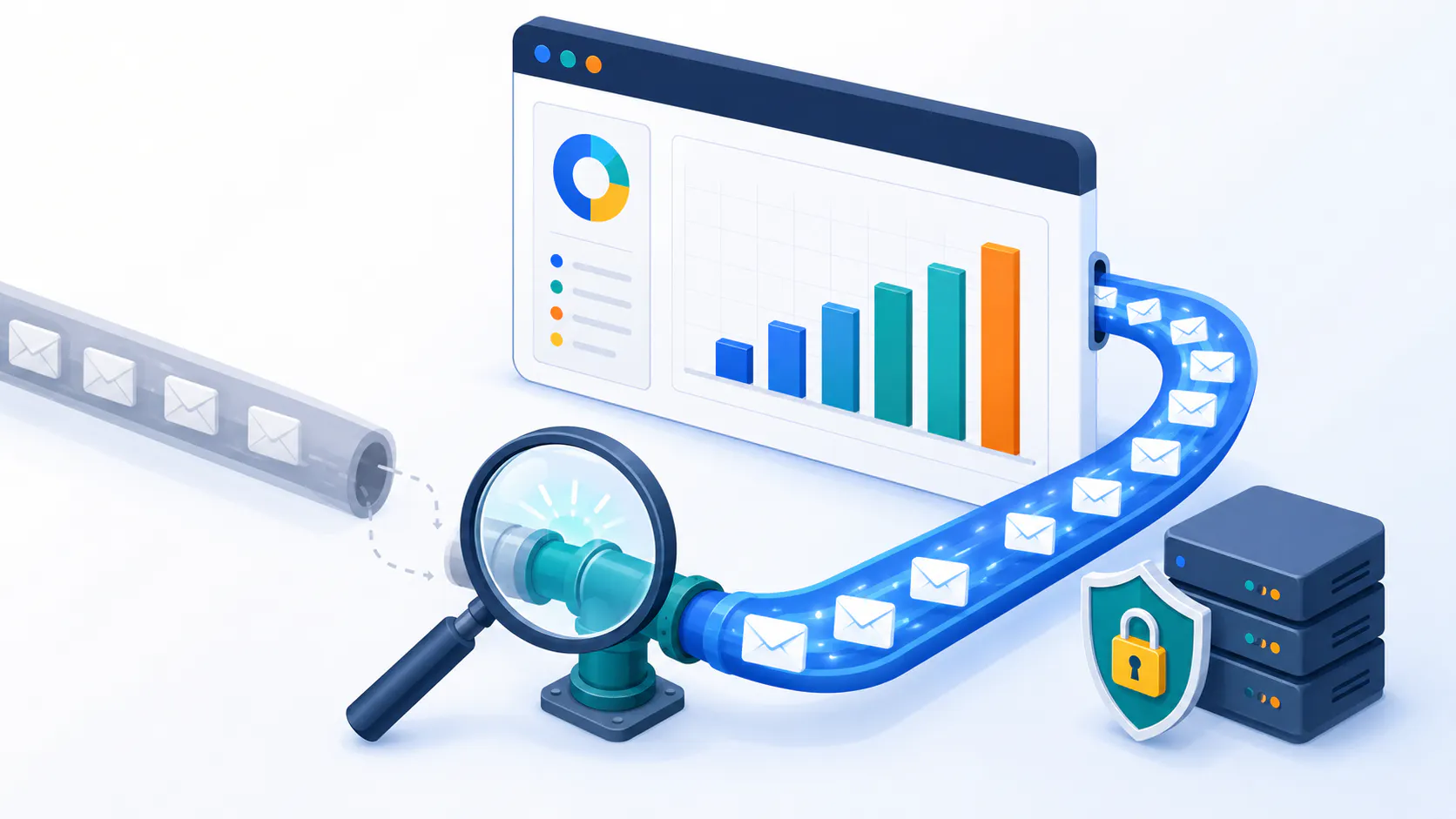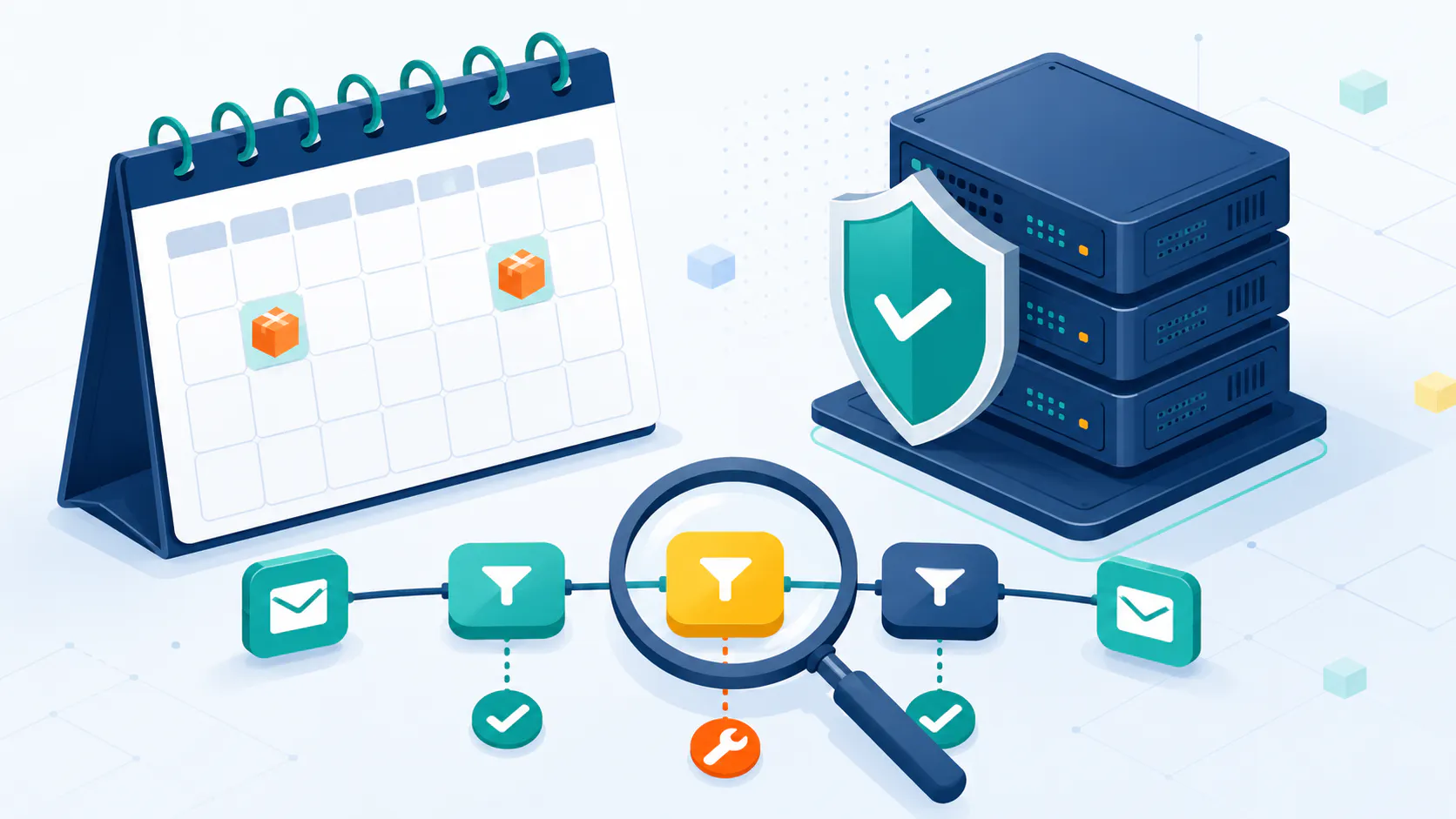

Turning SaaS trials into paying customers is tough. But what if there was a secret weapon to nurture those leads and turn them into loyal fans? Enter email marketing – not the boring kind, but targeted, personalized emails that users actually want to read. This guide is your fast track to email marketing mastery for SaaS. We’ll cut through the jargon and show you how to transform your emails into a growth engine.
Picking the Perfect Email Marketing Tool
Before you jump into any email marketing platform, it’s crucial to know what you’re looking for. Think of it like finding the perfect partner for your SaaS.
First, you need to understand yourself. What are your needs and goals? Are you focused on attracting new users, onboarding them seamlessly, or keeping those churn rates low?
Next, consider your ideal “type.” Are you looking for a tool that’s super flexible and customizable, or one that’s more plug-and-play? Do you need a platform that’s a whiz at automation, or one that excels at personalization?
And just like in any good relationship, communication is key. Your email marketing tool needs to play well with your other SaaS tools, like your CRM and analytics platforms. Think of it as a big, happy family working together to achieve your goals.
To help you find your perfect match, let’s explore some key questions you should ask:
Who are you talking to? (Hint: It’s not just about demographics. Think user roles, feature usage, and where they are in their customer journey.)
What’s the end game? (More sign-ups? Lower churn? Higher feature adoption? Get crystal clear on your objectives.)
How many emails are we talking? (A few targeted messages a week? A daily newsletter? Plan for scalability as you grow.)
Can it play nice with others? (Seamless integration with your CRM, analytics, and other tools is a must.)
Does it speak your language? (For SaaS, API integration is crucial for personalized, automated experiences.)
Once you have a good grasp of your needs and priorities, you can start exploring the different email marketing platforms out there. But don’t worry, we’ll be your guide through the exciting world of email marketing tools, helping you find the perfect match for your SaaS.
Check Out Your Options
Do your homework on different email marketing tools. Compare features, prices, and what other users are saying. This will help you make a smart choice based on what you need and what you can afford.
Here are some popular choices:
PlatformStand-Out FeaturesStarting PriceSendloopHigh deliverability rates, user-friendly interface, affordable pricing$9/moMailchimpWide range of integrations, comprehensive marketing platform, large template library$19.24/moConstant ContactEvent marketing tools, strong customer support, easy-to-use drag-and-drop editor$12/moBrevoOmnichannel marketing capabilities (email, SMS, chat), strong transactional email features$8.08/moGetResponseWebinar hosting, robust landing page builder, advanced marketing automation$13.73/moOcteth (Community License)Open-source platform, highly customizable, community supportFree
When you’re looking into these options, think about:
What Others Say: Look at reviews to see the good and the bad of each platform.
Try Before You Buy: Use free trials to test out the features before you commit.
Help When You Need It: Make sure the platform has good customer support and resources like a knowledge base and tutorials.
Must-Have Features for Your SaaS Email Marketing
Now that you’ve got a better sense of what you’re looking for in an email marketing tool, let’s dive into the must-have features that will make your SaaS campaigns truly shine. Think of these features as your email marketing dream team, each playing a crucial role in driving engagement, conversions, and growth.
Automation: Your Secret Weapon
Imagine having a tireless assistant who can send the perfect email to the right user at exactly the right moment, even while you sleep. That’s the power of automation.
For SaaS businesses, automation is a game-changer. It allows you to nurture leads, onboard new users, and re-engage inactive customers with personalized messages delivered at key moments in their journey.
Here are some automation superpowers to look for in your email marketing tool:
FeatureBenefitAutomated WorkflowsCreate visual workflows that trigger emails based on user behavior, lifecycle stage, or specific events. For example, you could automatically send a welcome email series to new users, or trigger a “we miss you” email to those who haven’t logged in recently.Drip CampaignsNurture leads and guide them through the sales funnel with a series of automated emails that provide valuable content and gradually introduce them to your product. Think of it as a carefully orchestrated email journey that leads them towards conversion.Behavioral TriggersTake personalization to the next level by triggering emails based on specific in-app actions. Did a user just complete a tutorial? Send them a congratulatory email with next steps. Are they about to hit their usage limit? Proactively reach out with an upgrade offer.
With automation, you can deliver timely, relevant messages that keep your users engaged and moving towards their goals.
Personalization: Make It Personal
In a world of generic marketing blasts, personalization is your secret weapon. Your SaaS users crave personalized experiences, and email is the perfect channel to deliver them.
Think about it: would you rather receive an email addressed to “Dear valued customer” or one that greets you by name and mentions your specific interests or needs?
Here’s how to add a personal touch to your SaaS emails:
FeatureBenefitDynamic ContentTailor your email content based on individual user data. For example, you could show different feature highlights based on the user’s plan, or recommend relevant resources based on their past interactions with your product.SegmentationGroup your audience into meaningful segments based on demographics, behavior, or lifecycle stage. This allows you to send more targeted and relevant messages that resonate with each group. For example, you might send different onboarding emails to new users who signed up for a free trial versus those who opted for a paid plan.Personalized Subject LinesGrab your users’ attention with subject lines that use their name or mention something specific to their interests. A personalized subject line can dramatically increase your open rates.
By making your emails feel like they were written specifically for each user, you’ll build stronger relationships, increase engagement, and drive conversions.
Integration: Keep It All Connected
Your email marketing tool shouldn’t be a silo. It needs to integrate seamlessly with your other SaaS tools to create a cohesive and efficient workflow.
Think of it like a well-oiled machine, with all the parts working together in harmony.
Here are some essential integrations to look for:
FeatureBenefitCRM IntegrationKeep your customer data in sync between your CRM and email platform. This allows you to track interactions, segment your audience more effectively, and personalize your messages based on a complete view of your customer relationships.Analytics IntegrationGet deeper insights into your email campaign performance by integrating your email tool with your analytics platform. This will help you understand what’s working, what’s not, and how to optimize your strategy.E-commerce IntegrationIf you sell products or services within your SaaS, integrate your email tool with your e-commerce platform to track purchases, customer behavior, and revenue generated from your email campaigns.
By integrating your email marketing tool with your other SaaS tools, you can streamline your workflow, gain valuable insights, and create a more personalized and effective customer experience.
SaaS Email Marketing Strategies
You’ve got the tools, now let’s talk tactics. SaaS email marketing isn’t just about blasting out newsletters – it’s about strategically using email to guide users through their journey with your product. Think of it like a series of well-placed stepping stones, leading them from curious trial user to loyal, paying customer (and beyond!).
Here’s a breakdown of key SaaS email strategies to implement:
Welcome Email Series: Roll Out the Red Carpet
First impressions matter. When a new user signs up, greet them with a warm welcome email series. This is your chance to make a great first impression, showcase your brand’s personality, and guide them towards those “aha!” moments with your product.
Start with a friendly hello: Thank them for joining and reinforce the value they’ll get from your SaaS.
Highlight key features: Don’t overwhelm them, but showcase the features that will make the biggest impact early on.
Offer support: Let them know how to get help if they need it. Consider including links to FAQs, tutorials, or your knowledge base.
Onboarding Emails: Your User’s Personal Guide
Onboarding is crucial for SaaS success. Your emails should act as a personal guide, helping users navigate your product, discover its value, and become proficient users.
Step-by-step guidance: Break down the onboarding process into manageable steps with clear instructions and helpful visuals.
Encourage engagement: Prompt users to take specific actions, like completing their profile, setting up integrations, or exploring key features.
Celebrate milestones: Acknowledge their progress and celebrate their achievements to keep them motivated.
Re-engagement Emails: Winning Back Lost Love
Even the best SaaS products experience user churn. But don’t worry, re-engagement emails can be your secret weapon to win back those inactive users.
Identify the “why”: Try to understand why they’ve become inactive. Have they hit a roadblock? Are they not using key features?
Offer personalized solutions: Based on the “why,” offer targeted solutions, like helpful resources, exclusive content, or special offers.
Make them feel valued: Remind them of the value your product provides and how it can help them achieve their goals.
Promotional Emails: Spread the Good News (Without Being Annoying)
Got a new feature? A special offer? Email marketing is a great way to spread the word, but it’s important to strike the right balance between promotion and providing value.
Focus on benefits: Clearly communicate how the new feature or offer will benefit the user.
Segment your audience: Send targeted promotions to relevant user segments to increase their effectiveness.
Don’t overdo it: Avoid bombarding users with promotional emails. Focus on quality over quantity.
Customer Retention Emails: Building Lasting Relationships
Keeping your existing customers happy is just as important as acquiring new ones. Use email to nurture those relationships and build long-term loyalty.
Share valuable content: Provide ongoing value with educational content, industry insights, or exclusive tips and tricks.
Gather feedback: Ask for their feedback and show that you value their input.
Show appreciation: Thank them for their business and celebrate their milestones with your product.
By implementing these SaaS email marketing strategies, you can guide your users towards success, increase engagement, and drive sustainable growth for your business.
For more strategies, continue to this blog post: Email Marketing for SaaS Companies: Top Strategies
Picking the Right Pricing Plan
Now, let’s talk about everyone’s favorite topic: money. Choosing the right pricing plan for your email marketing tool is like finding the perfect pair of shoes. They need to fit your budget, but they also need to be comfortable and support you as you walk (or rather, sprint!) towards your SaaS goals.
Free vs. Paid Plans
Most email marketing platforms offer both free and paid plans. It’s like dipping your toes in the water before taking the plunge.
Free Plans: These are great for small businesses or those just starting with email marketing. They give you a taste of the platform’s features and allow you to send a limited number of emails. Think of it as a trial run to see if you and the platform are a good fit. But be aware, free plans often come with limitations, like fewer features, branding restrictions, and lower sending limits.
Paid Plans: If you’re serious about email marketing (and as a SaaS business, you should be!), then a paid plan is the way to go. You’ll get access to a wider range of features, higher sending limits, and advanced capabilities like automation, segmentation, and detailed analytics. It’s like upgrading from a basic bicycle to a high-performance racing bike.
Scalability and Pricing Tiers
As your SaaS business grows, your email list and your marketing needs will evolve. That’s why it’s important to choose an email marketing platform with pricing tiers that can grow with you.
Think of it like choosing a plant for your office. You don’t want to pick one that will quickly outgrow its pot. You want one that has room to spread its roots and flourish alongside your business.
Most email marketing platforms offer tiered pricing based on the number of subscribers, email send volume, and the features you need. So, as your business grows, you can simply upgrade to a plan that better suits your needs.
Don’t Forget the Fine Print
Before you commit to a pricing plan, be sure to read the fine print. Look out for potential hidden costs, like overage fees for exceeding sending limits or add-on features that require additional payment.
Finding the Perfect Fit
To help you choose the right pricing plan, ask yourself these questions:
How many subscribers do you have now, and how many do you expect to have in the next year?
What is your typical email sending volume?
What features are essential for your SaaS email marketing strategy? (e.g., automation, segmentation, A/B testing)
What is your budget for email marketing?
By carefully considering these factors, you can find a pricing plan that fits your budget and supports your SaaS growth.
Easy-to-Use Interface
Let’s face it, nobody has time to wrestle with a complicated email marketing tool. You need a platform that’s intuitive, user-friendly, and makes it easy to create and send beautiful, effective emails.
Think of it like your favorite app. It should be easy to navigate, visually appealing, and a joy to use.
Dashboard Navigation
The dashboard is your email marketing command center. It’s where you’ll manage your campaigns, track your results, and get a bird’s-eye view of your email marketing performance.
Here’s what to look for in a great dashboard:
Easy Access: You should be able to quickly find and access all the important features and information, without having to click through a maze of menus.
Customization: A good dashboard should be customizable to your needs. You should be able to choose which metrics and reports are most important to you and display them prominently.
Search Functionality: Need to find a specific campaign or contact? A robust search function will save you time and frustration.
Template Design and Editing
A solid email marketing tool should make designing emails a breeze. A user-friendly template editor lets Creating beautiful, engaging emails shouldn’t require a design degree. A good email marketing tool will provide you with the tools you need to unleash your inner creative and design emails that reflect your brand and capture your users’ attention.
Here’s what to look for:
Personalization Options: Easily add personalized elements to your emails, like recipient names, company names, or product recommendations.
Drag-and-Drop Editor: Forget about coding! A drag-and-drop editor makes it easy to add, move, and resize elements to create visually appealing emails.
Pre-Built Templates: Short on time or design inspiration? Choose from a library of professionally designed templates to get a head start.
Responsive Design: Your emails should look great on all devices, from desktops to smartphones. Responsive design ensures that your emails are optimized for any screen size.
By focusing on these key aspects of dashboard navigation and template design, you can make sure your email marketing tool is easy to use and effective, driving better results for your SaaS business.
Analyzing Reporting and Analytics
In the world of SaaS, data is your superpower. By tracking your email marketing performance and analyzing the results, you can gain valuable insights that will help you optimize your strategy and achieve your goals.
Tracking Campaign Performance
Keeping tabs on your campaign’s performance is the bread and butter of understanding how well your email marketing is working. Key performance indicators (KPIs) give you a snapshot of different parts of your campaign’s success. Here are some key KPIs to keep an eye on:
KPIWhat It MeansOpen RateHow many people are actually opening your emails? A low open rate could indicate a problem with your subject lines or sender name.Click-Through Rate (CTR)How many people are clicking on the links in your emails? This tells you how engaging your email content is.Conversion RateHow many people are taking the desired action, such as signing up for a trial, making a purchase, or upgrading their plan? This is the ultimate measure of your email marketing success.Bounce RateHow many of your emails are not being delivered? A high bounce rate can hurt your sender reputation and deliverability.Unsubscribe RateHow many people are unsubscribing from your email list? A high unsubscribe rate could indicate that your emails are not relevant or engaging.
SaaS-Specific KPIs
In addition to the standard email marketing KPIs, there are some metrics that are particularly important for SaaS businesses:
Customer Lifetime Value (CLTV)How much revenue can you expect from a customer over their lifetime? Email marketing can play a crucial role in increasing CLTV by nurturing relationships and encouraging repeat business.Churn RateHow many customers are canceling their subscriptions? Email marketing can help reduce churn by keeping customers engaged and providing them with ongoing value.Feature Adoption RateHow many customers are using the key features of your product? Email marketing can be used to educate customers about new features and encourage them to try them out.
Actionable Insights: Turning Data into Results
The goal of tracking and analyzing your email marketing data is to gain actionable insights that you can use to improve your strategy.
Here are some examples of how you can use data to optimize your email marketing:
A/B Testing: Test different versions of your emails (e.g., subject lines, content, calls to action) to see which performs best.
Segmentation: Use data to identify high-value segments and tailor your messaging accordingly.
Personalization: Leverage user data to create more relevant and engaging email content.
By using data to inform your decisions, you can continuously improve your email marketing performance and achieve your SaaS goals.
Support and Resources
Even with the best email marketing tool and a killer strategy, you’re bound to encounter bumps in the road. That’s why it’s crucial to choose a platform that offers excellent support and resources to help you navigate any challenges and get the most out of your email marketing efforts.
Think of it as your email marketing safety net, there to catch you if you stumble and guide you towards success.
Customer Service: Your Email Marketing Lifeline
When you have a question or encounter a problem, you need to know that help is readily available. Look for an email marketing platform that offers responsive and reliable customer service.
Here are some key things to consider:
Community Support: Is there a community forum or online community where you can connect with other users, share best practices, and get help with troubleshooting? A strong community can be a valuable resource for learning and support.
Multiple Support Channels: Does the platform offer support via phone, email, and live chat? The more options, the better.
Response Time: How quickly can you expect a response to your inquiries? Look for platforms with fast response times and a reputation for excellent customer service.
Knowledge Base and Tutorials
Sometimes, you just want to figure things out on your own. A comprehensive knowledge base and helpful tutorials can empower you to troubleshoot problems, learn new features, and become an email marketing pro.
Look for platforms that offer:
Detailed Documentation: Is there a well-organized knowledge base with articles, FAQs, and step-by-step guides?
Video Tutorials: Do they offer video tutorials that walk you through different features and functionalities?
Webinars and Training: Does the platform provide webinars or online training sessions to help you deepen your knowledge and skills?
Ongoing Education: Staying Ahead of the Curve
The world of email marketing is constantly evolving. To stay ahead of the curve, choose a platform that offers ongoing education and resources to keep you up-to-date on the latest trends, best practices, and regulations.
This could include:
Blog Posts and Articles: Does the platform have a blog or resource library with valuable content on email marketing?
Newsletters and Updates: Do they send regular newsletters with updates on new features, industry trends, and tips for success?
Industry Events and Conferences: Does the platform participate in or sponsor industry events where you can learn from experts and network with other marketers?
By choosing an email marketing platform with excellent support and resources, you’ll have the guidance and assistance you need to confidently navigate the world of email marketing and achieve your SaaS goals.
Legal and Compliance Considerations for SaaS Email Marketing
In the world of SaaS, data privacy and compliance are non-negotiable. When you’re dealing with user data, it’s crucial to handle email marketing responsibly and ethically. Here’s what you need to keep in mind:
GDPR and Data Privacy: Respecting User Rights
The General Data Protection Regulation (GDPR) is a comprehensive data protection law that applies to any organization that collects or processes the personal data of EU residents. For SaaS businesses, this means:
Obtaining explicit consent: Get clear and unambiguous consent before sending marketing emails.
Providing transparency: Be transparent about how you collect, use, and store user data.
Respecting data subject rights: Allow users to access, rectify, or erase their personal data.
CAN-SPAM Act: Playing by the Rules
The CAN-SPAM Act sets rules for commercial email in the United States. It requires that you:
Don’t use misleading subject lines: Your subject lines should accurately reflect the content of your email.
Provide a clear opt-out mechanism: Make it easy for recipients to unsubscribe from your email list.
Honor opt-out requests promptly: Process unsubscribe requests within 10 business days.
Include your physical address: Every email should include your valid physical postal address.
Email Permission and Consent: Building Trust
Beyond legal requirements, obtaining and managing email permission is essential for building trust with your users. Here are some best practices:
Use double opt-in: Send a confirmation email to new subscribers to verify their email address and ensure they genuinely want to receive your emails.
Segment your lists: Allow users to choose the types of emails they want to receive (e.g., product updates, promotional offers, newsletters).
Make it easy to unsubscribe: Don’t hide the unsubscribe button. Make it clear and easy to find.
By prioritizing data privacy and compliance, you’ll build trust with your users and ensure that your email marketing efforts are ethical and sustainable.
Wrapping Up: Your Journey to Email Marketing Mastery
Congratulations! You’ve reached the end of our comprehensive guide to email marketing for SaaS success. By now, you should have a clear understanding of:
The importance of email marketing for SaaS growth.
How to choose the right email marketing tool for your needs.
The essential features that will make your campaigns shine.
How to track your performance and use data to optimize your strategy.
The importance of support and resources for ongoing success.
Now it’s time to put your knowledge into action! Choose your email marketing platform, start crafting compelling campaigns, and watch your SaaS business soar.
And remember, we’re here to support you every step of the way. Subscribe to our newsletter for more valuable insights and resources on SaaS email marketing, and don’t hesitate to reach out if you have any questions.
Happy emailing!
Frequently Asked Questions
What is the best email marketing software for SaaS onboarding? Consider platforms with strong automation, segmentation, and personalization features to create targeted welcome and onboarding email series. How do I choose an email marketing platform that integrates with my SaaS CRM? Look for platforms with native integrations or robust APIs to ensure seamless data flow between your email marketing tool and CRM. What are the pricing options for email marketing tools for SaaS companies? Most platforms offer tiered pricing based on subscriber count and features. Explore free trials and compare pricing to find the best fit for your budget. How can I use email automation to improve SaaS customer retention? Automate re-engagement emails to target inactive users, win back lost customers, and reduce churn. How do I personalize my SaaS email campaigns? Utilize dynamic content, segmentation, and behavioral triggers to tailor email content based on user data and preferences. What are the key elements of a successful SaaS welcome email series? A strong welcome series should include a warm greeting, highlight key product features, offer support resources, and encourage early engagement. How do I create effective SaaS onboarding emails? Provide step-by-step guidance, encourage users to take action, and celebrate milestones to drive product adoption. How can I use email marketing to reduce SaaS churn?
Implement re-engagement campaigns to win back inactive users, gather feedback, and proactively address potential churn triggers. What are the most important email marketing metrics for SaaS? Focus on open rates, click-through rates, conversion rates, churn rate, customer lifetime value (CLTV), and feature adoption rate. How can I use A/B testing to optimize my SaaS email campaigns? Test different email elements, such as subject lines, calls to action, and content, to identify what resonates best with your audience.