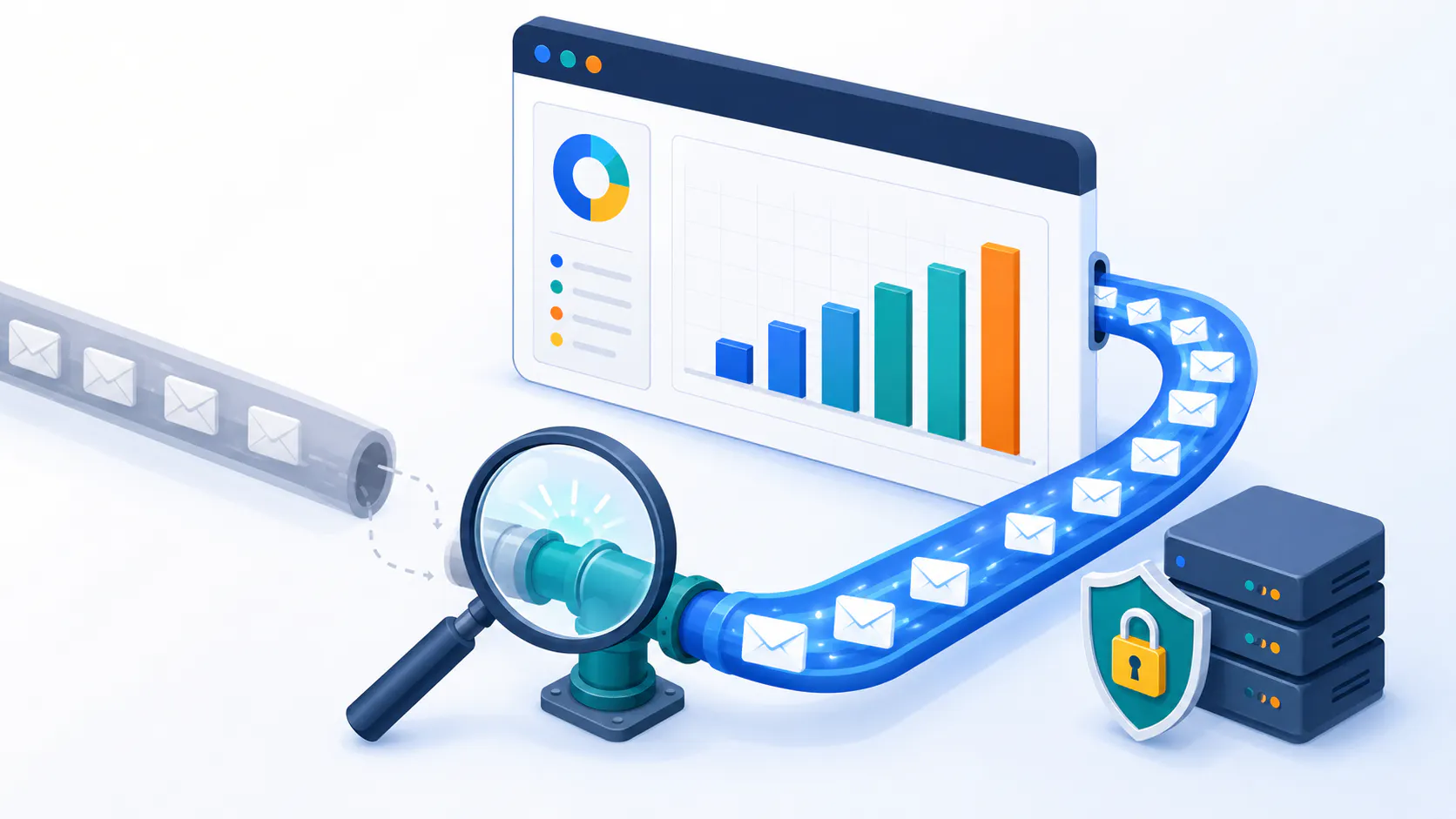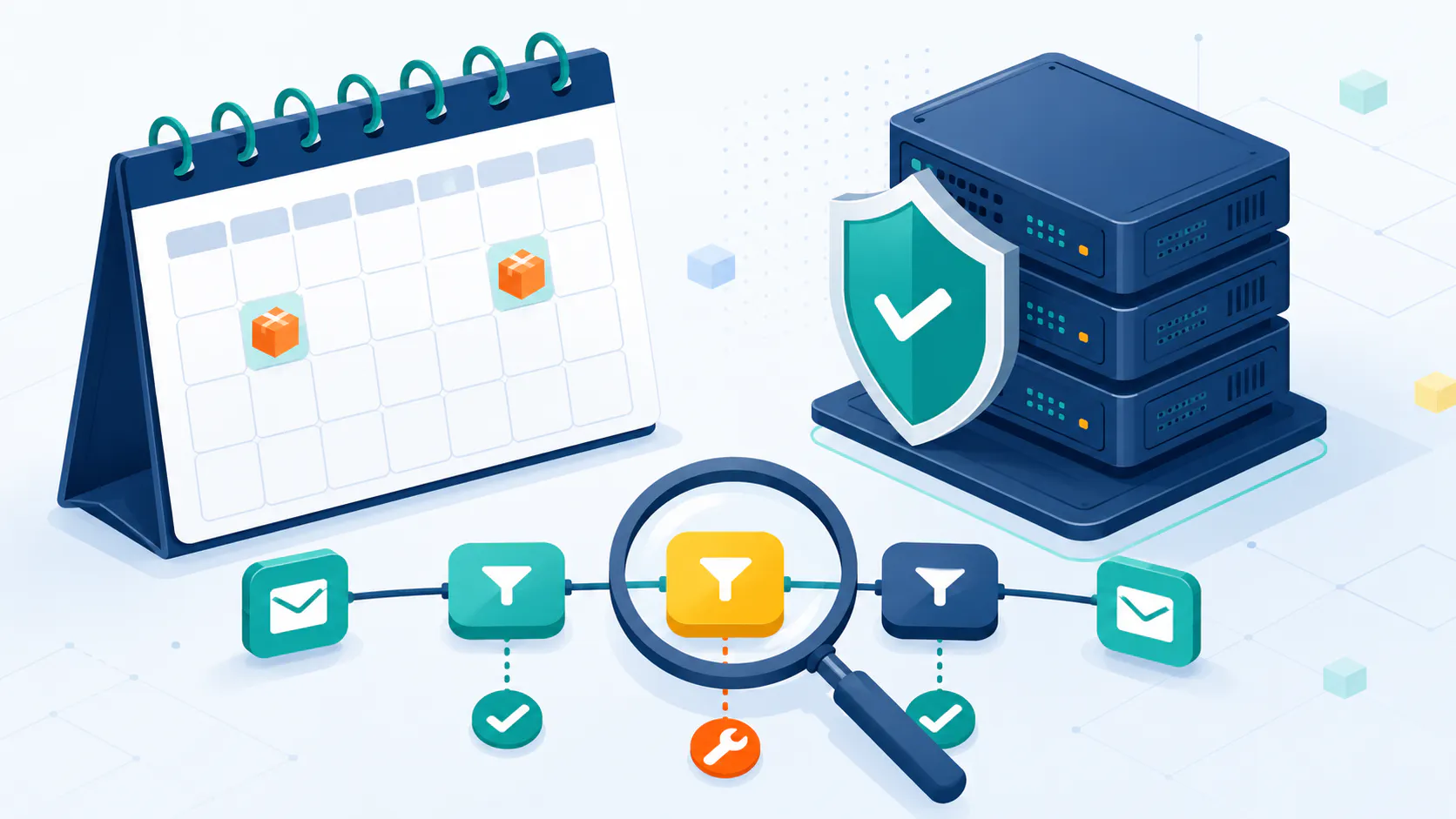

Want to grow you SaaS with email marketing? This guide shows you how to get new users, onboard them, increase engagement and maximize customer lifetime value. How to use email to drive conversions, reduce churn and build a loyal customer base.
Why Email Marketing is a Must-Have for SaaS Companies
Let’s be honest, the SaaS world is a jungle. You’re not just competing with other companies, you’re competing for attention in a world of distractions. So how do you cut through the noise and win customers? Email marketing.
It might seem old-school but email is still a beast when it comes to reaching your audience and growing. Think of it as your secret weapon for building relationships, increasing engagement and ultimately, revenue.
Here’s why email marketing should be part of your SaaS strategy:
Influence Buying Decisions
People might scroll past your social media posts or ignore your ads, but they read their emails. And research backs this up! A study by SalesCycle found that 59% of consumers say marketing emails influence their buying decisions. So, use email to guide potential customers through the sales funnel, answer their questions, and show them why your product is the perfect solution.
Drive Revenue Growth with Segmentation
Imagine throwing a party and blasting the same music for everyone. Some people might tap their feet, but others will head for the door. The same goes for email marketing. Segmenting your email list allows you to create different “playlists” for different groups of people. This means sending more relevant and engaging content, which leads to higher open rates, click-through rates, and ultimately, more revenue. Mailchimp found that segmented campaigns see a 14.31% higher open rate and a 100.95% higher click-through rate than non-segmented campaigns. That’s a party everyone wants to attend!
Build Stronger Customer Relationships
Email isn’t just about making a sale; it’s about building relationships that last. Think of it as a digital handshake, a way to stay in touch, provide value, and show your customers you care. By sending regular updates, helpful content, and personalized offers, you can foster trust and loyalty, which translates to higher customer lifetime value.
Cost-Effectiveness
Let’s face it, marketing can be expensive. But email marketing offers a fantastic return on investment. It’s a cost-effective way to reach a large audience, nurture leads, and drive conversions without breaking the bank.
Ready to harness the power of email for your SaaS business? In the next section, we’ll dive into specific email marketing strategies that can help you achieve your growth goals.
SaaS Email Marketing Strategies
Email marketing for SaaS isn’t just about sending random emails; it’s about crafting a strategic communication plan that guides your audience through their journey with your SaaS product. This means understanding the different types of emails and how they can be used to achieve specific goals.
Types of Emails for SaaS Companies
Welcome Emails and Onboarding Sequences:
Purpose: To welcome new users, introduce them to your product, and guide them through the initial setup and usage. A well-crafted welcome email can set the tone for a positive customer relationship and encourage ongoing engagement.
Best Practices:
Personalize the email with the user’s name and any other relevant information you’ve collected.
Highlight the key benefits of your product and how it solves the user’s pain points.
Include clear calls to action, such as prompting users to complete their profile, take a product tour, or explore key features.
Use a friendly and welcoming tone to build rapport.
Examples:
Welcome email with a personalized greeting and a link to a product tour.
Account setup guide with step-by-step instructions and helpful tips.
First-login tutorial highlighting key features and benefits.
Feature Announcements and Updates:
Purpose: To inform users about new features, product updates, and improvements. Keeping users informed about new releases can increase engagement and encourage them to explore new functionalities.
Best Practices:
Clearly explain the benefits of the new feature or update and how it improves the user experience.
Use visuals, such as screenshots or videos, to showcase the new feature in action.
Include a clear call to action, such as prompting users to try the new feature or update their software.
Segment your audience to ensure you’re sending relevant updates to the right users.
Examples:
New feature release announcement with a compelling headline and a link to a blog post or video tutorial.
Product update changelog highlighting key changes and improvements.
Webinar invitation for a live demo of the new feature.
Re-engagement Campaigns:
Purpose: To win back inactive users and reduce churn. Re-engagement emails can rekindle interest in your product and encourage users to return.
Best Practices:
Segment your audience to target inactive users specifically.
Personalize the email with the user’s name and any relevant information about their past usage.
Offer incentives, such as discounts or exclusive content, to encourage re-engagement.
Remind users of the value your product provides and how it can help them achieve their goals.
Examples:
“We miss you” email with a personalized message and a special offer.
Email highlighting new features or updates that the user might have missed.
Personalized recommendations based on the user’s past usage patterns.
Upselling and Cross-selling:
Purpose: To promote premium features, add-ons, or upgrades to existing customers. Upselling and cross-selling can increase customer lifetime value and generate additional revenue.
Best Practices:
Segment your audience to target users who are most likely to be interested in the offer.
Clearly explain the benefits of the upgrade or add-on and how it can help the user achieve their goals.
Offer a compelling incentive, such as a discount or a free trial.
Use social proof, such as testimonials or case studies, to build trust and credibility.
Examples:
Upgrade offer for premium features with a comparison of the features and benefits.
Add-on recommendations based on the user’s usage patterns and needs.
Exclusive discounts for loyal customers who upgrade or purchase add-ons.
Promotional Emails and Newsletters:
Purpose: To promote special offers, discounts, or new product launches. Promotional emails can drive conversions and generate excitement around your brand.
Best Practices:
Segment your audience to target users who are most likely to be interested in the offer.
Use compelling visuals and persuasive copy to highlight the value proposition.
Include a clear call to action, such as prompting users to visit your website or make a purchase.
Track your results and A/B test different elements to optimize your campaigns.
Examples:
Limited-time discount offer with a countdown timer to create urgency.
Early access to new features for subscribers.
Newsletter with industry insights, trends, and valuable content.
Transactional Emails:
Purpose: To provide essential service-related communication. Transactional emails are crucial for keeping users informed and maintaining trust.
Best Practices:
Ensure your transactional emails are clear, concise, and easy to understand.
Use a professional and consistent brand voice.
Personalize the email with the user’s name and any relevant information.
Include a clear call to action if necessary, such as prompting users to reset their password or confirm their email address.
Examples:
Password reset emails with clear instructions.
Account notifications, such as welcome emails and payment confirmations.
Invoice reminders with payment links.
By strategically using these different types of emails and implementing the best practices, SaaS companies can effectively nurture leads, onboard new users, drive engagement, and ultimately achieve their business goals.
If you are just getting started and need help with leads, check out this guide: Email Marketing for Lead Generation: Strategies that Work
Email Marketing for Different Stages of the SaaS Customer Lifecycle
Think of your customer’s journey like a road trip. They start as wide-eyed explorers, eager to discover new landscapes (your product!). As they travel, they become more familiar with the terrain, encountering different challenges and milestones along the way. Your job as a SaaS email marketer is to be their trusty guide, providing the right information and support at each stage of their journey.
Here’s how to tailor your email marketing to different stages of the SaaS customer lifecycle:
1. Acquisition: Lure in Those Explorers
Goal: Attract potential customers and convert them into trial users.
Strategies:
Showcase your value proposition: Highlight the key benefits of your product and how it solves the user’s pain points.
Offer irresistible lead magnets: Provide valuable resources like ebooks, checklists, or webinars in exchange for email signups.
Run targeted ads: Use targeted advertising on platforms like Google, Facebook, and LinkedIn to reach your ideal audience.
Optimize your website for conversions: Make sure your website is user-friendly and includes clear calls to action that encourage visitors to sign up for a free trial or demo.
2. Onboarding: Welcome to the Adventure!
Goal: Welcome new users, guide them through the initial setup and usage, and reduce early churn.
Strategies:
Send a warm welcome email: Greet new users with a personalized welcome email that reinforces your value proposition and sets expectations for what’s to come.
Provide a step-by-step onboarding sequence: Guide users through the key features and functionalities of your product with a series of automated emails.
Offer proactive support: Encourage users to reach out with any questions or challenges they encounter. Provide helpful resources like FAQs, tutorials, and live chat support.
3. Engagement: Keep the Excitement Going
Goal: Keep users engaged with your product and brand, encouraging ongoing usage and exploration.
Strategies:
Share valuable content: Provide users with helpful tips, tricks, and best practices for using your product.
Announce new features and updates: Keep users informed about new releases and improvements to your product.
Run contests and giveaways: Encourage engagement and interaction with fun contests and giveaways.
Personalize your communication: Use customer data to tailor your email content and offers to individual needs and preferences.
4. Retention: Build Lasting Relationships
Goal: Prevent churn and build long-term customer loyalty.
Strategies:
Identify at-risk users: Use data to identify users who are showing signs of disengagement or churn.
Send targeted re-engagement campaigns: Reach out to at-risk users with personalized emails that offer incentives, address their concerns, or remind them of the value your product provides.
Build a community: Foster a sense of community among your users through forums, social media groups, or online events.
Reward loyalty: Show appreciation for your loyal customers with exclusive offers, early access to new features, or personalized gifts.
5. Advocacy: Turn Customers into Cheerleaders
Goal: Encourage satisfied customers to become brand advocates and refer new users.
Strategies:
Make it easy to share: Include social sharing buttons in your emails and on your website.
Run referral programs: Offer incentives for customers who refer new users.
Showcase customer testimonials: Share positive feedback and success stories from your customers.
Build a VIP program: Reward your most loyal customers with exclusive perks and recognition.
By aligning your email marketing with these different stages of the customer lifecycle, you can create a more personalized and effective experience that drives engagement, reduces churn, and ultimately, fuels the growth of your SaaS business.
The Power of Customer Data in SaaS Email Marketing
In the world of SaaS, customer data is king. The more you know about your customers, the better you can tailor your email marketing to their specific needs and preferences. This leads to higher engagement, stronger relationships, and ultimately, increased revenue.
Here’s how different types of customer data can fuel your SaaS email marketing strategy:
Behavioral Data: Track how customers interact with your product, website, and emails. This data can trigger automated email campaigns, such as sending a personalized onboarding sequence to new users or re-engagement emails to those who haven’t logged in recently.
Demographic Data: Gather basic information about your customers, such as their age, location, company size, and industry. This data allows you to segment your email list and tailor your content to specific groups, increasing relevance and engagement.
Usage Data: Monitor how customers are using your product, including features they use most frequently, time spent on the platform, and any challenges they might be facing. This data can help you identify upsell opportunities, provide targeted support, and improve your product based on user behavior.
By effectively collecting and analyzing customer data, SaaS companies can create highly personalized and targeted email campaigns that resonate with their audience. This leads to increased engagement, higher conversion rates, and stronger customer relationships.
Building Customer Relationships and Owning Your Audience
Email marketing isn’t just about sending promotions; it’s about building genuine relationships with your customers. By providing valuable content, regular updates, and personalized offers, you can foster trust and loyalty, turning casual users into passionate advocates.
Why Building Relationships Matters
Increased Customer Lifetime Value: Loyal customers are more likely to stick around, upgrade their subscriptions, and recommend your product to others, leading to increased customer lifetime value (CLTV).
Reduced Churn: When customers feel valued and engaged, they’re less likely to churn, saving you valuable resources and ensuring sustainable growth.
Stronger Brand Advocacy: Satisfied customers become brand advocates, spreading positive word-of-mouth and attracting new users.
The Power of Owning Your Contact List
Unlike social media platforms where algorithms can change and organic reach can dwindle, your email list is an asset you own and control. This direct line of communication allows you to:
Reach Your Audience Directly: Send targeted messages without relying on third-party platforms or algorithms.
Personalize Your Communication: Tailor your messages based on individual preferences, behaviors, and lifecycle stage.
Drive Conversions: Email marketing consistently outperforms other digital marketing channels in terms of conversion rates.
By focusing on building relationships and owning your audience, you can leverage email marketing to create a sustainable and thriving SaaS business.
Essential Email Marketing Metrics for SaaS: Your Cheat Sheet for Success
Want to know if your SaaS email marketing campaigns are hitting the mark? You need to keep a close eye on the numbers. Think of these key metrics as your performance dashboard, showing you what’s working and where you can improve.
MetricDescriptionExample ImprovementOpen RateHow many people are opening your emails.Spice up your subject lines or try sending your emails at a different time.Click-Through Rate (CTR)How many people are clicking on the links in your emails.Make your CTAs more prominent or use stronger call-to-action copy.Conversion RateHow many people are taking the action you want them to take, like signing up for a free trial.Simplify your signup process or offer a more compelling value proposition.
Why These Metrics Matter
Think of these metrics as your report card. They give you a clear picture of how your email campaigns are performing and whether they’re achieving your goals. By analyzing these metrics, you can pinpoint where your emails might be falling short and optimize for better results.
By keeping a close eye on these metrics and making data-driven decisions, you can fine-tune your email marketing strategy and achieve amazing results for your SaaS business.
Email Marketing Best Practices
Okay, so you’ve got your email list, you know the different types of emails to send, and you’re ready to rock and roll. But hold on a second! Before you hit that “send” button, let’s make sure your emails are hitting the bullseye with every message.
Segmentation and Personalization: It’s Not Just About the Name
Think of your email list like a giant pizza. You wouldn’t just slap the same toppings on the whole thing, would you? Some people like pepperoni, others prefer veggies. The same goes for your audience.
Segmentation: Slice and dice your email list into smaller, more targeted groups. Think demographics, behavior, and where they are in their customer journey. This way, you can send messages that truly resonate with each slice.
Personalization: Don’t just stop at “Hi [Name].” Dig deeper! Use customer data to personalize your content, offering product recommendations, usage tips, and special deals that match their interests.
By getting personal and segmenting your audience, you’ll create email campaigns that feel like a one-on-one conversation, not a mass broadcast. And guess what? This leads to higher engagement, stronger relationships, and ultimately, more revenue.
Automation and Lifecycle Emails: Your 24/7 Marketing Assistant
Imagine having a marketing assistant who works around the clock, sending perfectly timed emails based on what your customers do. That’s the power of automation and lifecycle emails.
Automated Email Workflows: Set up automated email workflows for different scenarios, like welcoming new users, reminding people about abandoned carts, and re-engaging those who’ve gone quiet.
Lifecycle Emails: Think of your customer’s journey like a road trip. Lifecycle emails are like the personalized map that guides them along the way, from signing up to becoming a loyal customer.
By automating your email marketing and aligning it with the customer lifecycle, you’ll create a seamless and engaging experience that keeps users coming back for more.
Conclusion: Ready to Become a SaaS Email Marketing Rockstar?
You’ve made it to the end of this epic guide to SaaS email marketing and you’re now armed with a treasure chest of strategies to attract new users, onboard them like a pro, and keep them coming back for more.
Remember, email marketing isn’t just about blasting out messages; it’s about building genuine relationships with your audience. Think of your emails as a digital handshake, a way to stay in touch, provide value, and show your customers you care.
Whether you’re a scrappy startup hustling for your first customers (psst…we’ve got a killer guide just for you: Unleash the Potential: Email Marketing for Startup Success) or a seasoned SaaS company ready to scale new heights, email marketing can be your secret weapon for success. So, go forth, implement these strategies, and watch your business soar!
Frequently Asked Questions
What are the best email marketing strategies for SaaS companies? Effective email marketing strategies for SaaS companies include segmenting your audience, personalizing your messages, automating your campaigns, and tracking key metrics like open rates and conversion rates. It’s also crucial to tailor your emails to different stages of the customer lifecycle, from onboarding new users to re-engaging inactive ones. How can I improve my SaaS email open rates and click-through rates? To improve your open rates, focus on crafting compelling subject lines that grab attention and personalize your emails with the recipient’s name or other relevant information. To boost click-through rates, ensure your email content is engaging and relevant, and include clear calls to action that encourage recipients to take the desired action. What are some effective ways to segment my SaaS email list? Segment your email list based on criteria such as user behavior, demographics, lifecycle stage, and engagement level. This allows you to send more targeted and relevant emails that resonate with each specific group. How can I use email marketing to increase customer lifetime value (CLTV) for my SaaS business? By nurturing relationships with your customers through valuable content, personalized offers, and regular communication, you can increase their lifetime value.
Email marketing can help you onboard new users effectively, re-engage inactive users, and upsell or cross-sell relevant products or services. What are some common mistakes to avoid in SaaS email marketing? Avoid sending generic, one-size-fits-all emails. Neglecting to segment your audience and personalize your messages can lead to disengagement. Also, ensure you’re complying with email regulations like GDPR and CAN-SPAM to avoid legal issues and maintain trust with your subscribers.