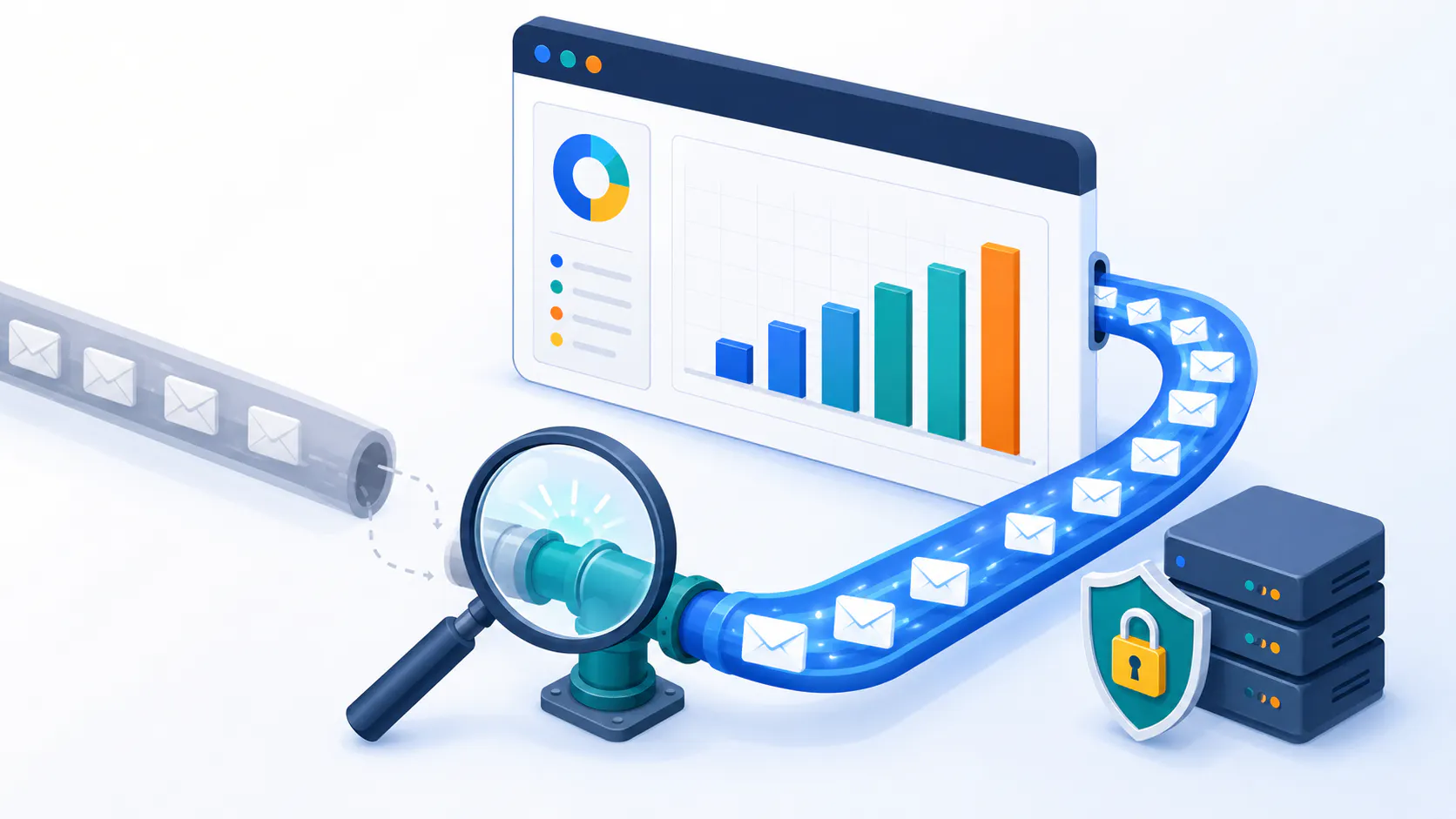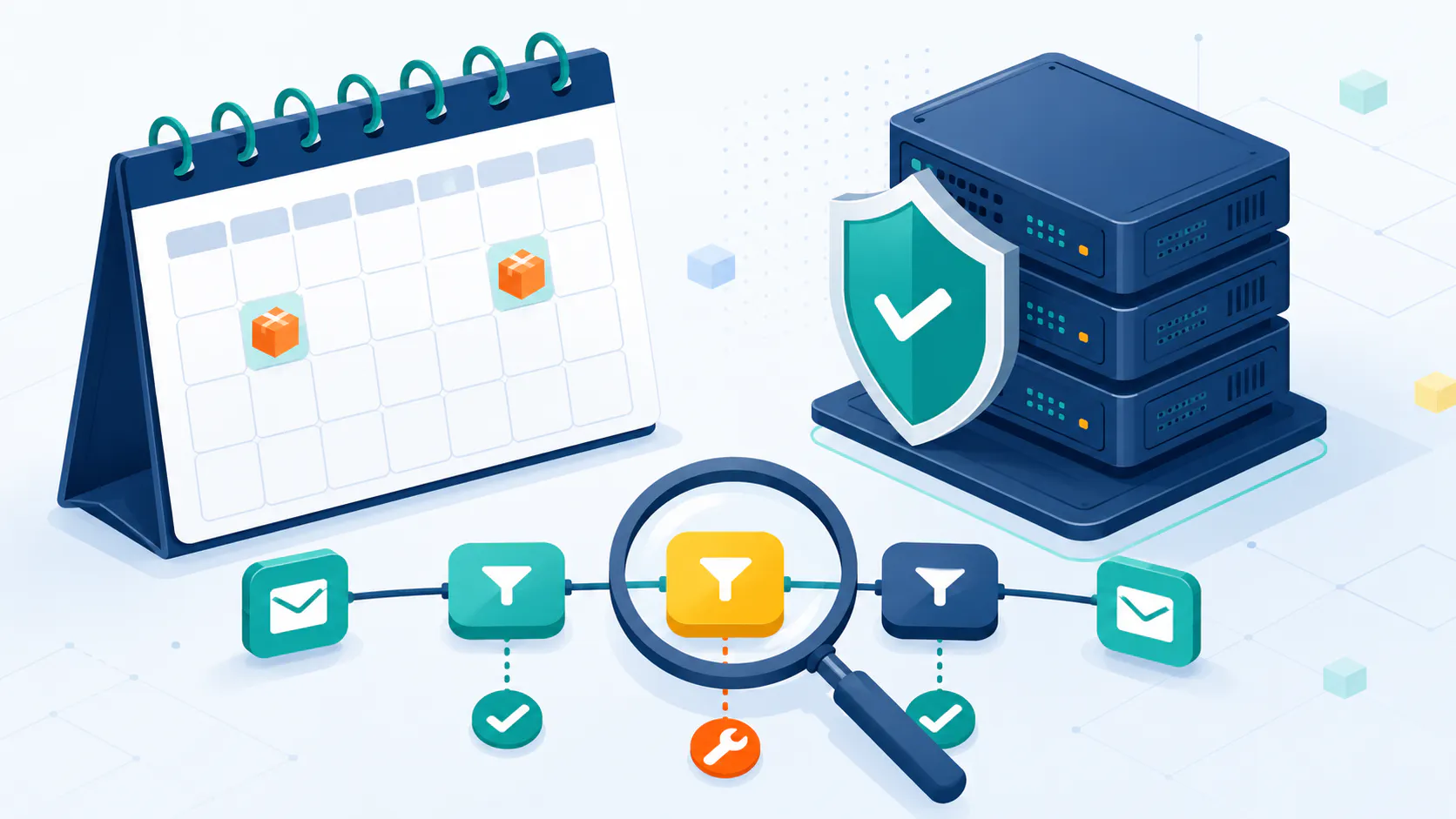

Running a successful Shopify store means connecting with your customers. And one of the best ways to do that is through email marketing. Choosing the right email marketing tool can feel overwhelming, but it’s a crucial step. This guide will walk you through everything you need to know to find the perfect platform to boost your sales and build lasting customer relationships.
Defining Your Email Marketing Needs for Shopify
Before diving into different platforms, take a moment to understand what your business actually needs. This will make your search much more focused and effective.
Who’s Your Audience? Knowing your customers—their interests, demographics, and buying habits—is key to sending relevant emails.
What’s Your Goal? Are you aiming to increase sales, boost customer engagement, or grow your email list? Each goal might require different features.
Email Volume: Estimate how many emails you’ll send monthly and the size of your contact list. This will influence pricing and platform capabilities.
Budget: Determine how much you’re willing to invest in email marketing. There are options for every budget.
Shopify Compatibility: Absolutely essential! Your chosen platform must integrate seamlessly with Shopify.
Look at Different Platforms
Once you know what you need, start comparing different email marketing platforms. This will help you find the one that fits your business best.
What to Look For:
Features: Look for must-haves like automation, segmentation, and templates.
Ease of Use: Pick a platform that’s easy to use.
Customer Support: Make sure they have good customer support.
Pricing: Compare prices to find one that fits your budget.
Shopify Integration: Check that it works well with Shopify.
Now, let’s explore some popular options, focusing on what they offer and why it matters for your Shopify store:
PlatformKey FeaturesStarting PriceShopify IntegrationSendloopAutomation, Templates, Analytics, Personalization, Segmentation$9/moYesMailchimpAdvanced Segmentation, Personalization$13/moYesKlaviyoAdvanced Segmentation, Personalization$45/moYesOmnisendSMS, Push Notifications$11.20/moYesOcteth Community LicenseAutomation, Templates, Analytics, Personalization, Segmentation, Email and SMS marketing$0Yes
To explore more options, visit our article: Top 10 Best Email Newsletter Platforms (2025)
Seamless Shopify Integration: Why It Matters
Integrating your email marketing platform with your Shopify store is like building a bridge between your products and your customers. Here’s why it’s so important:
Automated Data Sync: No more manual imports! Customer data, order history, and product details are automatically synced between Shopify and your email platform. This means you can send highly personalized emails based on real-time customer behavior.
Personalized Product Recommendations: Showcase products that your customers are actually interested in based on their browsing and purchase history. This leads to more clicks and higher sales.
Targeted Campaigns: Segment your audience based on purchase history, abandoned carts, or any other data synced from Shopify. Send the right message to the right people at the right time.
Installing Your Email App:
Choose your platform: Select the platform that best suits your needs.
Head to the Shopify App Store: Find your chosen app and click “Add App.”
Authorize Access: Allow the app to access your Shopify data for seamless syncing.
Configure Settings: Set up automated emails, import existing lists, and customize the integration to match your goals.
Test It Out: Send test emails to ensure everything is working smoothly.
Email Marketing Superpowers for Shopify Users
Email marketing platforms aren’t just about sending emails—they’re about building relationships, driving sales, and growing your Shopify store. Here’s how these powerful features can help you achieve your goals:
Automated Workflows: Imagine sending a welcome email series to every new subscriber, automatically reminding customers about items left in their cart, or following up after a purchase with a thank-you note and related product suggestions. Automated workflows make this possible.
Segmentation: Divide your audience into smaller groups based on purchase history, browsing behavior, demographics, or engagement level. This allows you to send highly targeted emails that resonate with each group. For example, you could send a special offer on dog toys to customers who have previously purchased dog products.
Personalization: Make your emails feel like a one-on-one conversation. Use customer names, recommend products based on their interests, and send birthday emails with exclusive discounts.
A/B Testing: Not sure which subject line is more effective? A/B testing lets you compare different versions of your emails to see what works best. Test different subject lines, calls to action, or email designs to optimize your campaigns.
Analytics: Track key metrics like open rates, click-through rates, and conversions to understand how your campaigns are performing. Use this data to continuously improve your emails.
By utilizing these powerful email marketing features, you can create targeted, engaging, and effective campaigns that drive sales and build lasting relationships with your Shopify customers.
Creating Email Campaigns That Shine
Creating killer email campaigns is a must for Shopify users. Let’s dive into how to make your emails pop and hit the right folks.
Designing Emails That Get Opened and Read
The first challenge in email marketing is getting people to actually open your emails. Then, you need to keep them engaged enough to read through your message and take action. Here’s how to make your emails stand out in a crowded inbox:
Craft Compelling Subject Lines
Your subject line is the first impression. Make it count!
Personalization: Use the recipient’s name or location to grab their attention. For example, “Hey [Name], check out these new arrivals in [City]!”
Create Intrigue: Tease the content of your email without giving everything away. “🤫 We have a secret (just for you)”
Urgency and Scarcity: Use words like “limited time,” “exclusive offer,” or “don’t miss out” to encourage immediate action.
Emojis (use sparingly): 🎉 A well-placed emoji can add personality and make your email stand out.
Enhance Your Email Design
Once the email is opened, your design needs to keep readers engaged.
Visually Appealing: Use high-quality images, a clean layout, and clear fonts. Tools like Canva can help you create professional-looking email graphics.
Social Sharing Buttons: Design and include these buttons in your email to maximize the reach of your campaigns.
Branding: Maintain consistent branding with your website and other marketing materials.
Mobile Optimization: Ensure your emails look great on all devices (desktops, tablets, and smartphones).
Boost Engagement with Interactive Elements
Interactive elements can take your emails to the next level.
GIFs: Add a touch of fun or showcase product features with animated GIFs.
Polls and Quizzes: Encourage interaction and gather valuable customer insights.
Countdown Timers: Create a sense of urgency for limited-time offers.
Studies show that these strategies can significantly improve your email performance:
StrategyImpactPersonalized Subject Lines26% higher open ratesSocial Sharing Buttons158% increase in click-through ratesEmojis in Subject Lines56% higher open rates
For more tips on creating highly converting email campaigns, continue reading here: The Anatomy of a Perfect Email: Building Campaigns That Convert
Targeting Your Audience
Hitting the right audience with your emails is like making sure your message reaches the right inbox. It’s key to making your campaigns work and getting the results you want. Here’s how to do it:
Segmentation
Think of segmentation as dividing your audience into smaller, more focused groups. This way, you can tailor your messages to their specific needs and interests. Here are a few ways to segment your audience:
Purchase History: Group customers based on what they’ve bought before. For example, someone who recently bought hiking boots might be interested in a sale on camping gear.
Browsing Behavior: Target customers based on products they’ve viewed on your store. If someone has been looking at winter coats, send them an email showcasing your latest collection.
Engagement Level: Identify your most engaged subscribers (those who frequently open and click your emails) and send them exclusive content or offers.
Behavioral Targeting
This is all about paying attention to what your customers do on your Shopify store and responding with relevant emails. Here are some examples:
Abandoned Cart Emails: One of the most effective types of emails! If someone adds items to their cart but doesn’t complete the purchase, send them a gentle reminder. You can even sweeten the deal with a small discount.
Post-Purchase Follow-Up: After someone makes a purchase, send a thank-you email and recommend related products they might like.
Browse Abandonment Emails: If a customer views a specific product but doesn’t add it to their cart, send them an email highlighting the product’s features and benefits.
Lifecycle Stage
Consider where each customer is in their journey with your brand and tailor your emails accordingly:
Welcome New Subscribers: Make a great first impression with a welcome email series. Introduce your brand, showcase your best-selling products, and offer a discount on their first purchase.
Re-engage Inactive Customers: If a subscriber hasn’t opened your emails in a while, send them a re-engagement campaign with a special offer or exclusive content to win them back.
Reward Loyal Customers: Show appreciation for your loyal customers with exclusive discounts, early access to sales, or loyalty programs.
By using these targeting strategies, you can ensure that your emails are relevant, engaging, and more likely to convert. This means happier customers and better results for your Shopify store!
Analyzing Performance
Effective email marketing for Shopify isn’t just about hitting “send.” It’s about understanding what works and tweaking what doesn’t. Let’s dive into tracking key metrics and optimizing your campaigns for better results.
Tracking Metrics
Keeping an eye on the right numbers is key to knowing if your email game is strong. Here are the big ones to watch:
Open Rates: The percentage of people who open your emails. Subject lines play a big role here!
Click-Through Rates (CTR): The percentage of people who click on links in your email.
Conversion Rates: The percentage of people who take a desired action (e.g., making a purchase) after clicking on your email.
Return on Investment (ROI): How much revenue are you generating from your email marketing efforts?
Bounce Rates: The percentage of emails that didn’t reach the recipient’s inbox.
Unsubscribe Rates: The percentage of people who unsubscribe from your email list.
MetricWhy It MattersIndustry AverageOpen RatesEngagement20%Click-Through RatesInteraction2.5%Conversion RatesEffectiveness1-2%ROIProfitability$42 for every $1 spentBounce RatesDeliverability<2%Unsubscribe RatesRetention<1%
Optimizing Campaigns
Once you’ve got your metrics, it’s time to tweak things for better results. Here’s how:
A/B Testing: Test different subject lines, content, and calls to action to see what resonates best with your audience.
Personalization: Use customer data to personalize your emails and increase engagement.
Segmentation: Send targeted emails to different segments of your audience.
Triggered Emails: Set up automated emails based on specific customer actions.
Content Quality: Provide valuable content that your audience will find interesting and helpful.
Timing and Frequency: Experiment with different send times and frequencies to find what works best for your audience.
Automating Workflows
Email marketing automation is a game-changer for website owners wanting to save time and boost sales. Automating your email workflows means you can keep in touch with customers without lifting a finger, making your marketing efforts smoother and more effective.
Getting Started with Automation
Setting up email automation is like setting your marketing on autopilot. Here’s how you can get started:
Spot Key Actions: Figure out what actions will trigger your automated emails. Think welcome emails, reminders for abandoned carts, order confirmations, and follow-ups.
Pick Your Tool: Choose an email marketing platform that offers solid automation features (email marketing for Shopify). Many platforms come with ready-made templates and workflows to make your life easier.
Design Workflows: Map out the sequence of emails based on user actions. Make sure each workflow fits the customer’s journey.
Set Triggers and Conditions: Define what will trigger each email. For example, an abandoned cart email could be triggered when someone leaves items in their cart without buying.
Test and Tweak: Before you go live, test your workflows to make sure they work right. Keep an eye on their performance and tweak as needed.
Personalization and Segmentation
Personalization and segmentation are the secret sauce of effective email marketing. They help you send the right message to the right person, boosting engagement and conversions.
Gather Data: Collect info on your subscribers, like what they’ve bought, what they’ve looked at, and their demographics. Use this data to personalize and segment your campaigns.
Segment Your List: Break your email list into smaller groups based on criteria like purchase frequency, location, or interests. This way, you can tailor your messages to each group.
Personalize Content: Use the data you’ve gathered to personalize your emails. Address subscribers by their first name, recommend products based on past purchases, and send birthday offers.
Dynamic Content: Use dynamic content to show different things to different segments within the same email. For instance, a clothing store could show winter coats to customers in cold areas and summer dresses to those in warm places.
By automating workflows and using personalization and segmentation, you can create targeted and efficient email marketing campaigns. This not only saves you time but also makes your customers happier and boosts your sales.
Take Your Shopify Email Marketing to the Next Level
By following this guide, you’ll be well-equipped to choose the perfect email marketing tool for your Shopify store. Remember to focus on your specific needs, explore different platforms, and utilize the powerful features available to create engaging and effective email campaigns.
Frequently Asked Questions
What is the best email marketing app for Shopify? The best app depends on what you need and how much you can spend. Popular choices are Sendloop, Klaviyo, Omnisend, and Octeth. Think about what features are important to you, how much it costs, and what kind of help they offer. How do I integrate my email marketing app with Shopify? It’s easy! Most apps connect directly to Shopify through the Shopify App Store. Just find the app, add it, and follow the simple steps. How do I grow my email list for my Shopify store? Offer discounts or free stuff for signing up. Make it easy to join with pop-ups on your website. Run contests and giveaways. Tell your social media followers about it. How often should I send marketing emails to my Shopify customers? Start with 1-2 emails a week. See how many people open and click your emails, and if anyone unsubscribes. Adjust how often you send based on that. What are some effective email marketing strategies for Shopify? Welcome new people to your list. Remind people about stuff they left in their cart. Tell them about new products and sales. Send different emails to different groups of people. Make emails feel personal. Try out different things to see what works best. How can I improve my email open rates and click-through rates? Make your subject lines interesting. Use good pictures and a clear design. Send emails people actually want to read. Make it personal. Try different things to see what gets the best results.
What are some common email marketing mistakes to avoid? Don’t send the same email to everyone. Make sure your emails look good on phones. Pay attention to how your emails are doing. Don’t buy email lists. Don’t send too many emails.