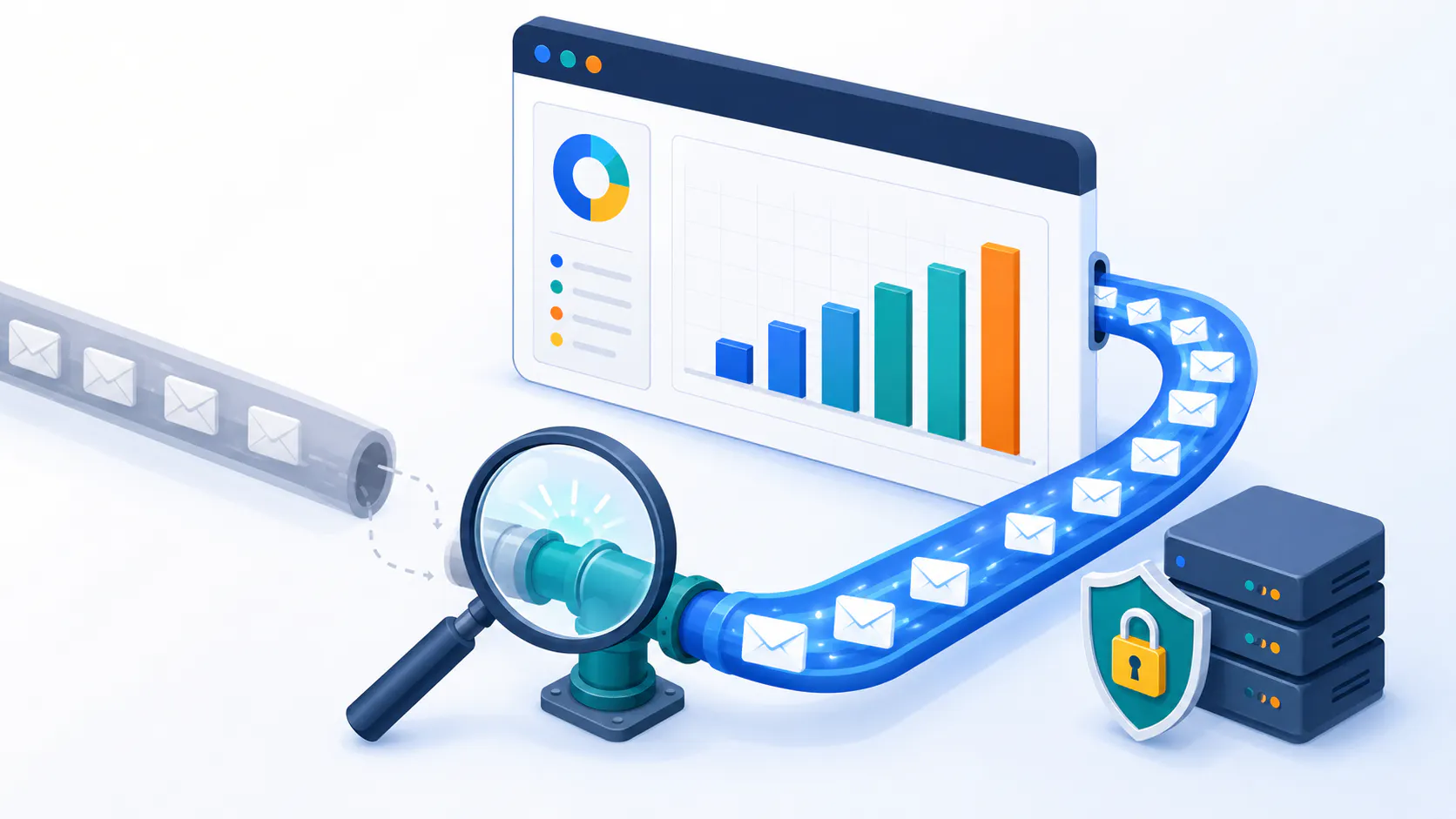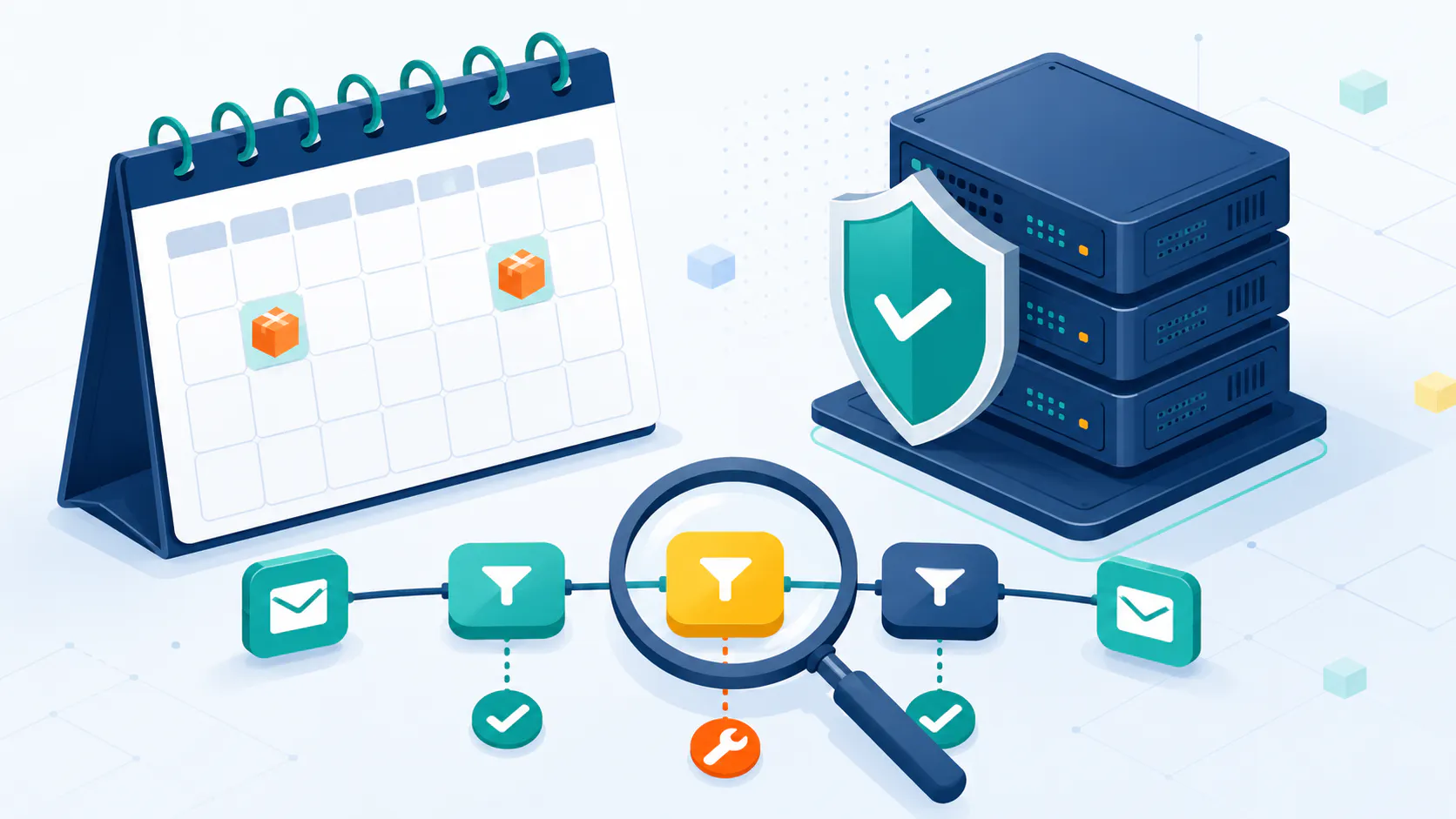

As the digital world keeps changing, Gmail and Yahoo! are making some new rules, and they kick in around February 2024.
Last month, we gave you a heads-up in our article, “Gmail and Yahoo’s New Stand Against Spam: A Cleaner Inbox for 2024”. Now, let’s dive into the details. No need to worry, we’ll help you sail smoothly through these new email rules!
Who’s in the Affected Group?
Before we set sail, let’s know who these changes are for. If you’re sending emails to people with Yahoo, Gmail, Googlemail, or Google Workspace email addresses, pay attention. And if you’re a big sender, shooting out over 5,000 emails every day, there’s some extra stuff for you to think about.
Important Gmail and Yahoo! Rules for Everyone
Gmail and Yahoo! are teaming up to make email safer, focusing on a few key things. If you follow these rules, your emails are more likely to land in the inbox and not get lost in the spam folder.
Use SPF and DKIM Email Authentication
First things first, let’s talk about SPF and DKIM. These are like bodyguards for your emails, making sure they are legit and not pretending to be something they’re not. If you’re on a shared IP, you’re good with SPF, but if you have your special IP, set up SPF. For everyone, DKIM is a must—it connects your domain and email content securely.
Learn more about SPF and DKIM by clicking here.
Ensure Valid Reverse DNS Records for your Sender IP Addresses and Domains
In the world of email delivery, the connection between IP addresses and domains is crucial. Specifically, the sender’s IP address must point to a valid domain through a PTR (Pointer) record, and this domain’s IP address must match the sender’s IP. This bidirectional verification is essential for confirming the authenticity of emails, preventing spoofing, and enhancing overall deliverability. As we navigate changing email regulations, ensuring this alignment becomes pivotal for a secure and smooth email delivery experience.
Keep Spam Rates Below 0.3%
Keeping your email spam rate below 0.3% requires a combination of good email practices, technical measures, and consistent monitoring. Here are some tips to help you achieve this goal:
Use Permission-Based Lists: Only send emails to individuals who have explicitly opted in to receive communications from you. Building and maintaining a permission-based email list is crucial for minimizing spam reports.
Double Opt-In Process: Implement a double opt-in process for new subscribers. This ensures that users confirm their subscription and helps prevent fake or mistyped email addresses from being added to your list.
Provide Clear Opt-Out Options: Make it easy for subscribers to opt out of your emails. Include a visible and simple unsubscribe link in all your emails. Honoring opt-out requests promptly is essential for maintaining a good sender reputation.
Authenticate Your Email: Use Sender Policy Framework (SPF), DomainKeys Identified Mail (DKIM), and Domain-based Message Authentication, Reporting, and Conformance (DMARC) to authenticate your email. This helps prevent email spoofing and improves deliverability.
Regularly Clean Your Email List: Remove inactive or bouncing email addresses from your list regularly. High bounce rates can negatively impact your sender reputation. Tools like Cleanify.io can be of great help.
Monitor and Respond to Complaints: Pay attention to feedback loops provided by email service providers. If users mark your emails as spam, investigate and address the issues promptly. Continuous improvement based on user feedback is vital.
Avoid Spam Trigger Words: Refrain from using words and phrases commonly associated with spam in your email content. These can trigger spam filters. Be mindful of the language you use in your subject lines and body text.
Balance Images and Text: Create a good balance between text and images in your emails. Emails with a high image-to-text ratio may trigger spam filters.
Test Emails Before Sending: Use email testing tools to check how your emails are likely to be treated by spam filters. This can help you identify and address potential issues before sending to your entire list.
Monitor Blacklists: Regularly check if your domain or IP address is on any email blacklists. Being listed on a blacklist can significantly impact email deliverability. We strongly recommend you use IPMonitor for the health and reputation monitoring with real-time alerts.
Segment Your Email List: Segment your email list based on user behavior and preferences. Sending targeted and relevant content to specific segments can improve engagement and reduce the likelihood of your emails being marked as spam.
Keep Consistent Sending Patterns: Maintain a consistent sending schedule. Abrupt changes in your sending patterns may raise flags with spam filters.
Stay Informed: Stay updated on industry best practices and changes in email regulations. Compliance with regulations such as GDPR and CAN-SPAM is essential.
By following these tips and maintaining a focus on user engagement and satisfaction, you can enhance your email deliverability and keep your spam rate below 0.3%. Regularly reviewing and adjusting your email practices based on results and feedback will contribute to long-term success. Google’s Postmaster Tools can help in tracking your spam rate, especially if you’re sending to Google addresses.
Don’t Pretend to be Gmail in the “From” Header
It’s crucial not to play pretend with your email identity. When you’re sending emails, especially important ones, don’t try to look like you’re coming from Gmail (like using @gmail addresses) if you’re not. It’s important to keep things real and authentic.
A golden rule here is to use your actual business email address. Whether you’re reaching out to clients, customers, or colleagues, using your legitimate business email not only plays it safe but also builds trust. People are more likely to engage with emails that come from a recognizable and authentic source.
So, as this change approaches, remember to keep it genuine and represent your business accurately in the “From” header. This not only aligns with good email practices but also safeguards your reputation in the long run.
Follow Internet Message Format Standards (RFC 5322)
RFC 5322 is like the rulebook for how emails should look and work. It’s the latest version of the rules for sending emails on the internet, kind of like an update from an older rulebook called RFC 2822. Let’s talk about some important stuff that RFC 5322 tells us:
To and From: RFC 5322 says emails should have clear info on who it’s from and who it’s going to. Think of the “To” and “From” addresses like sending a letter.
Subject and Date: There should be a clear subject (like a title) and a date on your email. Just like a letter has a heading and a date.
Text and Pictures: Emails have a body where you write your message. You can use regular text or even pictures. It’s like the main part of your letter.
Rules for Writing: When you write your email, follow some rules, like how long a line can be and how to handle special characters. This helps everyone understand your message.
Sending Time: Your email should show when it was sent. Just like a postmark on a letter tells when it was sent.
Handling Tricky Characters: If you want to use special characters or include pictures, there are special ways to do it, and RFC 5322 explains these methods.
Adding Extra Info: You can add extra info, like comments, in your email. It’s like adding a little note to your letter.
Old Rules We Don’t Use: Some old ways of doing things in emails are not used anymore. RFC 5322 tells us about those old rules we can ignore.
So, think of RFC 5322 as a guidebook for writing and sending emails. It helps everyone use a similar format, making sure emails look and work well for everyone.
Extra Rules for Big Email Senders in 2024
If you’re sending a heap of marketing emails—over 5,000 a day—there are a few more things to keep in mind.
Set up DMARC Authentication for Your Domain
After SPF and DKIM, it’s time for DMARC. This is like an extra security layer, telling email providers what to do if something seems fishy.
Click here to learn more about DMARC
Make Sure the “From” Header Matches SPF or DKIM Domain
For users with their special IP and lots of senders, make sure the “From” header matches up. This adds another layer of security.
Make Unsubscribing Easy
In the sea of emails, don’t make unsubscribing a challenge. Use the one-click unsubscribe link in your emails, and keep it simple.
As we wrap up this guide on getting ready for Gmail and Yahoo! changes with Octeth, remember, the journey ahead is full of twists and turns. The changes coming in February 2024 invite us to navigate the evolving waters of email marketing with confidence. So, get ready to set sail with assurance!