
Did you know email marketing delivers an average ROI of $42 for every $1 spent? With the right tools, you can send the right message at the perfect time while tracking engagement. In this guide, we’ll show you how email marketing software works and why it’s essential for growing your business.
What is an Email Marketing Software?
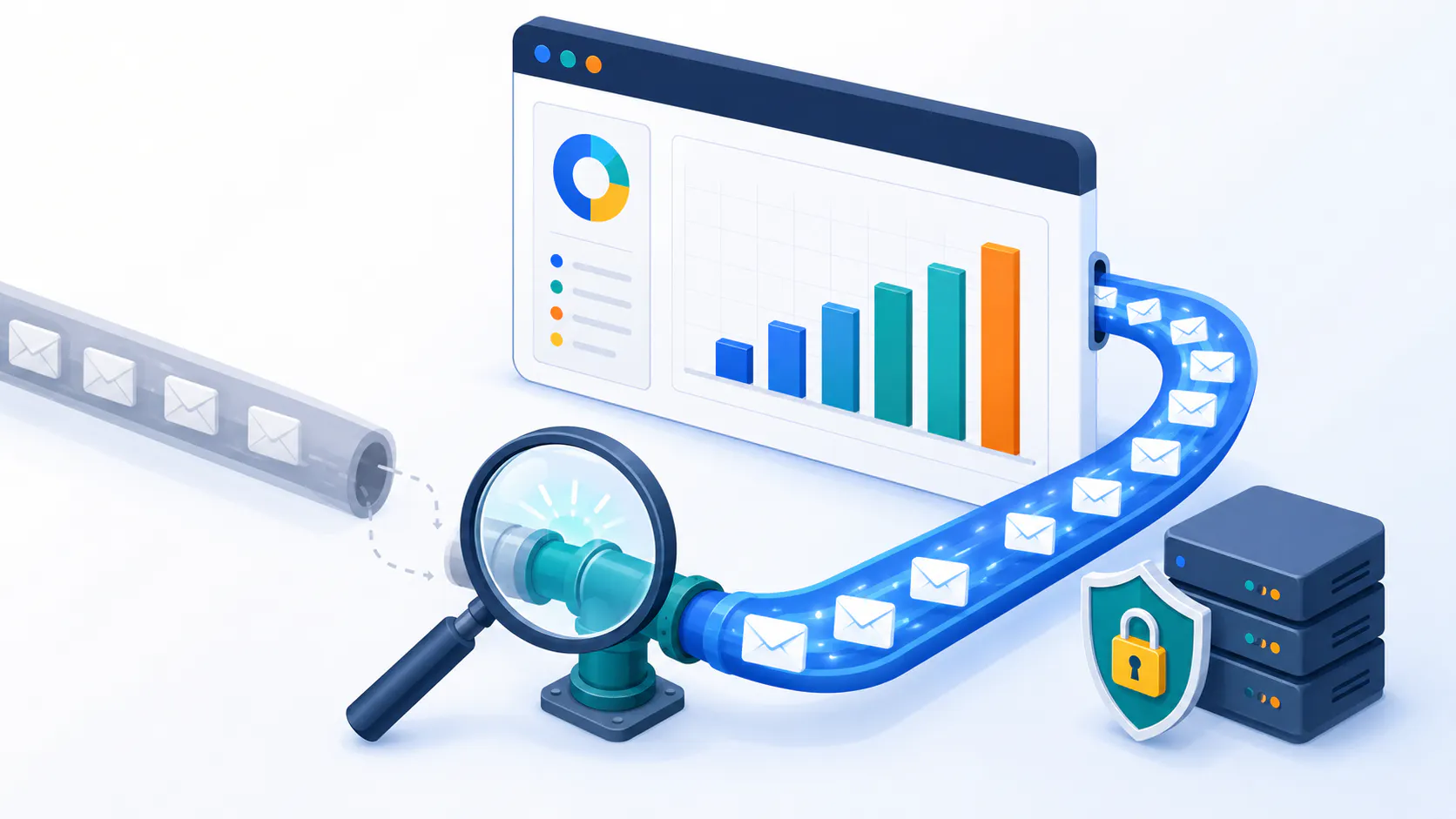
Illustration of email marketing software
Email marketing software is a powerful tool to send, track and optimize your email campaigns. It allows you to engage with subscribers with personalized content, measure campaign performance and automate key processes to get more efficiency. With this software, you can drive sales, nurture customer relationships and build brand loyalty.
The benefits are clear:
Automate email sends based on user behavior for timely and relevant communication
Personalize campaigns to boost engagement and conversion rates
Simplify list segmentation and targeting, save time
Design professional emails without coding skills
In fact, email marketing has a ROI of $42 for every $1 spent, it’s one of the most effective marketing channel out there. With AI-driven personalization and predictive analytics, email software is getting more powerful and flexible.
Scalable for businesses of all sizes, email software can handle from simple newsletters to complex campaigns across multiple platforms. It integrates with other tools like CRM and social media so you can have cohesive multi-channel marketing strategy.
But you have to make sure your email campaigns comply with legal requirements like GDPR and the CAN-SPAM Act. This will help you build trust, protect customer’s privacy and avoid penalties so you can market ethically and effectively.
Email Marketing Software Types
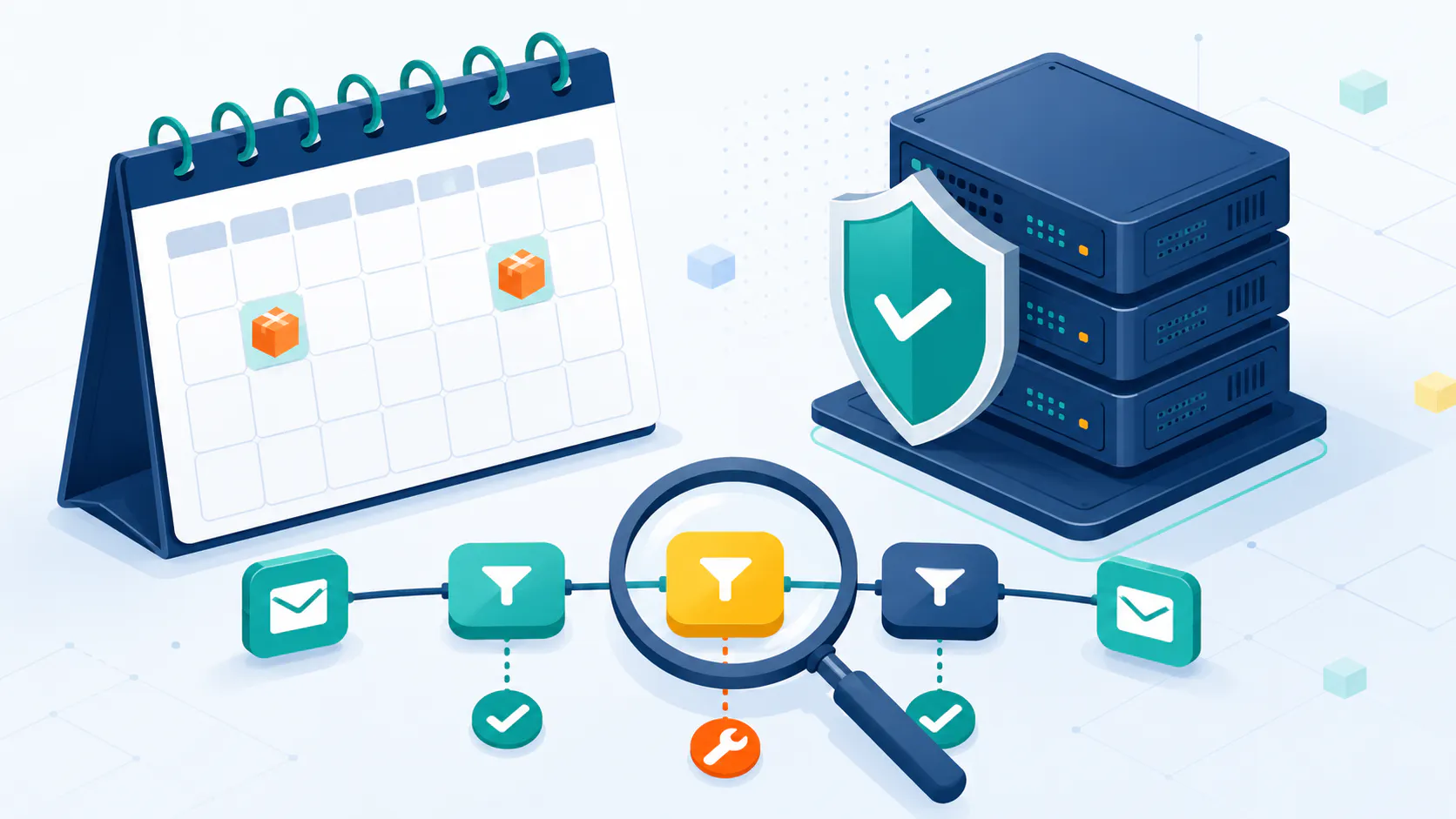
Comparison of email software types
With over 670 email marketing tools available, businesses have plenty of options to choose from. These solutions generally fall into three main categories: self-hosted, cloud-based, and hybrid. Each offers unique benefits depending on your business’s size, technical capabilities, and goals.
TypeIdeal ForKey BenefitsDrawbacksSelf-HostedLarge businesses or those needing full controlMaximum customization, control over data, no reliance on third partiesRequires technical expertise, higher upfront costs, maintenance responsibilityCloud-BasedSmall to mid-sized businesses, startupsEasy to use, scalable, low upfront costs, minimal maintenanceLimited customization, ongoing subscription feesHybridBusinesses seeking flexibility with some controlBest of both worlds: scalability + customization optionsCan be complex to manage, may require technical setup
The key is to choose the option that best fits your needs, whether you want control and customization (self-hosted), ease of use and scalability (cloud), or a mix of both (hybrid).
Self-Hosted / On-Premise Email Marketing Software
Self-hosted email software like Octeth is installed on your own servers, giving you full control over your system and data. This is ideal for businesses that prioritise security, customisation and control over their email marketing environment.
The main advantage of self hosted solutions is you can fully manage and secure your data. Since the data is on your servers you are responsible for it, making it a great choice for businesses handling sensitive customer data or operating in regulated industries. Self hosted solutions also offer deep customisation, you can tailor the software to your business needs such as add advanced marketing automation, custom content blocks and global variables for a personalised email marketing strategy.
But there are some key considerations:
Initial Setup Cost: $2,000 for basic setup to $20,000+ depending on complexity and scale.
Technical Expertise: In house technical knowledge required for installation, maintenance and troubleshooting.
Ongoing Security Responsibilities: You need to manage updates, monitor security and keep the system ahead of evolving threats.
For businesses that need strict data control or are in industries with heavy regulatory oversight self hosted solutions can give you ultimate control and customisation. But it comes with a higher initial cost and requires dedicated technical resources to maintain and secure, but by doing this investment you can save money in the long term, unlike with Cloud-based solutions.
If you’re looking for a free email marketing software, the Octeth Community License is available to everyone.
Cloud Based Email Marketing Service
Cloud-based email marketing platforms like Sendloop are different. They are hosted on the providers servers and accessed via the internet, so easy to use and scale. No hardware to install or servers to manage, you can focus on crafting great email marketing campaigns instead of technical infrastructure.
Cloud based services offer:
Lower upfront costs than self hosted solutions
Access from anywhere, so a great option for businesses of all sizes
Automatic updates and maintenance so your software is always up to date with the latest features and security patches
Scale your email marketing as your business grows
But they also come with their own downsides:
ongoing subscription costs
Less control over data security as you are at the mercy of the providers security
Limited customization options compared to self hosted solutions.
Cloud based services are great for small to medium sized businesses, startups and businesses looking for cost effective, scalable solutions with minimal technical overhead. They have pre built automation recipes and integrations with lots of platforms so you can automate marketing sequences and connect with other business tools.
If you’d like to try this option, free email marketing services are available on many of cloud-based platforms as a trial.
Hybrid Email Marketing Solutions
Hybrid email marketing platforms combine the best email marketing features of both self-hosted and cloud-based systems, offering businesses a flexible approach that balances control with convenience. These solutions give companies the ability to manage critical data on their own servers, while also benefiting from the scalability and ease of use provided by cloud services.
With a hybrid solution, businesses can:
Balance Control and Convenience: Retain control over sensitive data and customize certain aspects of the system, while also taking advantage of cloud scalability and lower maintenance requirements.
Scale with Flexibility: Maintain customization for specific needs while ensuring the solution grows with the business.
Boost Campaign Performance: Some hybrid systems include advanced email marketing features like resending emails to non-openers, potentially increasing engagement and sales.
Hybrid solutions can be more expensive than cloud-only options and may require a degree of technical expertise for setup and ongoing management. The complexity of managing a hybrid system can also pose challenges, especially if the business lacks dedicated IT resources.
Ideal for businesses that need a customizable, scalable solution but also have specific regulatory or data control requirements, hybrid solutions are a great fit for mid-to-large companies or organizations operating in industries with strict compliance needs, such as finance or healthcare. These businesses benefit from the ability to tailor the system while leveraging the scalability and ease of use of cloud-based platforms.
Unveiling Key Features of Modern Email Marketing Software
Features of modern email marketing software
Email marketing is always evolving and today’s software has more features to transform your strategy. Here’s why:
AI: Automated content creation, predictive analytics and enhanced subject line optimisation so you can personalise content more. AI ensures emails are relevant and delivered at the right time.
Visual Email Editors: Drag and drop editors for complex email marketing campaigns, free templates, automated workflows and dynamic customer journeys. Making campaign creation easier and allowing you to personalise each step to the customer’s behaviour.
Multiple Email Types: Modern tools support promotional emails, newsletters, transactional messages and behaviour triggered emails. It covers the whole customer lifecycle from acquisition to retention.
Segmentation & Personalisation: Advanced segmentation to target specific audience segments based on demographics or behaviour. Personalisation goes beyond just using a name – it tailors content, offers and timing for maximum relevance and effectiveness.
Automation: Automated emails like welcome series or abandoned cart reminders ensures timely and consistent communication. Marketing automation saves time and keeps it personal for each customer.
Social Proof: Including customer testimonials or user generated content builds trust and conversions by showing potential customers the value others get from your product or service.
Responsive Design: With mobile email access on the rise, responsive design makes sure emails look and function well across devices and improves engagement and user experience.
Analytics & Reporting: Granular reporting to track open rates, click through rates and conversions. Allows you to refine your strategy, test new things and measure campaign success.
Together these features help you optimise your email marketing, increase customer engagement and ultimately ROI.
How to Choose the Best Email Marketing Software
Choosing the right email software
When choosing email software, consider the following:
Ease of Use: A simple interface for beginners and pros alike. Drag-and-drop editors for professional emails and HTML support for advanced users.
Deliverability: High deliverability rates are key to getting your emails in your recipients’ inboxes not their spam folder. Choose software with tools and strategies to maintain and improve deliverability over time.
Integration: Ability to integrate with CRM systems, e-commerce platforms, landing page builders and social media tools to build a cohesive marketing strategy. Integration means better segmentation, customer insights and overall campaign performance.
Email List Management: Good tools to grow and manage your email list. Features like easy-to-create subscription forms, landing pages and segmentation options so your messages get to the right people at the right time.
A/B Testing & Optimization: A/B testing is crucial to your email campaigns. Look for software that allows easy testing of subject lines, content, layouts and calls to action so you can refine your strategy based on data driven results.
Scalability & Flexibility: Your software should grow with your business. Make sure it can handle your growing subscriber list and evolving marketing needs without causing cost or complexity.
Compliance & Security: Compliance with international regulations like GDPR, CCPA and CAN-SPAM is non-negotiable. Make sure the software has built-in compliance tools and data encryption.
Support & Community: Good customer support, responsive service, training resources and active user community can make a big difference when you get stuck or want to get the most out of the software.
Cost-Effectiveness: Finally, look at the total cost of ownership, setup fees, subscription costs and costs per email or contacts. Transparent pricing with no hidden fees is a must for budgeting.
By considering these, you can choose the right email marketing tool that aligns with your business goals, is user friendly and drives better results.
Maximizing the Impact of Your Email Marketing Software
Once you’ve selected your email marketing platform, the key to success lies in how effectively you use it. Here are actionable strategies to maximize its impact:
1. Marketing automation
Marketing automation makes life easier and customers happier by sending behaviour driven emails. Start by setting up automated journeys and workflows for key customer actions:
Welcome Series: Trigger a series of emails when someone subscribes, introduce them to your brand, offer a discount or suggest popular products.
Abandoned Cart Reminders: Automate follow up emails when someone leaves items in their cart, with a personalized offer or reminder to complete the purchase.
Post-purchase Sequences: Send thank you emails, recommendations for related products or ask for feedback to keep them engaged.
2. Deep Personalization
Personalization goes beyond just addressing a subscriber by name. Use data driven approaches to create custom experiences:
Dynamic Content: Customize email content based on user behaviour, e.g. recommend products similar to what they’ve bought before.
Predictive Analytics: Use AI powered tools to predict when customers are most likely to open and engage with your emails and adjust send times accordingly.
Behavioural Triggers: Send emails based on customer actions, e.g. browsing history, download behaviour or purchase intent.
3. Track Key Metrics
Measure your campaigns with these metrics:
Conversion Rates: See how many recipients take the desired action (e.g. buy or download a resource) to gauge campaign success.
Click-through Rates (CTR): See which links are being clicked to understand what content is resonating.
Bounce Rates: Keep an eye on bounced emails to ensure your list is clean and deliverability is high.
List Growth Rate: Measure how fast your email list is growing to see how well your opt-in strategies are working.
Email Forwarding/Sharing Rates: See how often your emails are being shared, which can expand your reach through word of mouth.
4. A/B Testing
A/B testing allows you to test different email elements and refine your strategy based on performance data:
Subject Lines: Test different subject lines to see what wording grabs the most attention.
Email Content and Layouts: Test different formats, messaging or visual elements to see what drives more engagement.
Calls to Action (CTAs): Test different CTA buttons, wording and placement to see what drives the most conversions.
5. Segment Your Email List
Segment your email list based on specific criteria to send more targeted content:
Demographic Segmentation: Group contacts by location, age or interests to tailor the messaging.
Behavioural Segmentation: Segment based on past purchases, browsing activity or previous campaign interactions to send personalized content.
Engagement Based Segmentation: Create groups based on how frequently users interact with your emails (e.g. engaged, dormant or inactive) and send re-engagement campaigns to boost activity.
6. Integrate with Other Tools
Get the most out of your email marketing tool by integrating with CRM systems, e-commerce platforms and analytics tools:
CRM Integration: Get a unified view of customer interactions and segment your email lists better.
E-commerce Integration: Sync product data to send personalized product recommendations or abandoned cart emails.
Analytics Integration: Use data from analytics platforms to refine your campaigns, track engagement and understand customer journeys better.
7. Optimize for Mobile
More people are checking email on their phones so mobile optimisation is a must:
Responsive Design: Ensure emails adjust to different screen sizes for a seamless experience.
Concise Content: Use shorter copy that gets straight to the point with easily tappable CTAs.
Clear Visuals: Ensure images load properly and scale to fit mobile screens without distorting the layout.
8. Foster Loyalty through Email
Strengthen customer relationships and increase repeat business through email marketing:
Loyalty Programs: Promote exclusive rewards, discounts or points for repeat purchases through your emails.
Exclusive Offers: Send time sensitive offers or member only promotions to your subscribers to make them feel valued.
Personalized Recommendations: Use past purchase data to send tailored recommendations that resonate with customers’ preferences.
9. Maximize ROI
Email marketing is one of the most cost effective strategies but achieving high ROI requires strategic planning:
Targeted Campaigns: Send emails only to the most relevant segments so every email has a higher chance of converting.
Campaign Scheduling: Time your emails when your audience is most likely to open and engage.
Test, Measure, Repeat: Test, measure and adjust based on what works for your audience.
By using these strategies, you’ll not only improve the performance of your email campaigns but also create a more personalized, efficient, and engaging experience for your subscribers, driving long-term business growth.
The Future of Email Marketing Software
Here’s how email marketing services will change business forever with these key trends:
AI and Machine Learning: Predictive analytics, automated content and more personalization means you can send emails at the right time, create more engaging content and tailor campaigns to customer behaviour. More engagement and conversions.
Advanced Personalization: Beyond basic demographics, email marketing will use AI and behavioural data to create hyper-segmented, future-orientated campaigns. This means you can predict customer needs and deliver more relevant content.
Interactive Emails: Features like embedded videos, live updates and interactive shopping will turn emails into dynamic experiences. More user interaction means you can connect with customers in new ways.
Data Privacy and Security: With data protection concerns on the rise, you’ll need email platforms that are compliant with global regulations, encrypt more and give your customers more control over their data. Builds trust and protects brand reputation.
Cross-Channel Integration: Integrating email marketing with social media, SMS and analytics tools means you can deliver multi-channel marketing campaigns and a unified customer journey across all touchpoints.
Voice Technology: As voice assistants become more popular, voice-activated emails could mean customers can engage with emails hands-free. More ways to engage with your audience.
Sustainability: Emails will focus on reducing digital clutter, promoting eco-friendly practices and minimising the environmental impact of marketing. Appeals to eco-conscious customers and aligns to sustainable business practices.
Blockchain Technology: Blockchain can verify authenticity and reduce spam, increase transparency and build trust between brands and their audience.
Evolving Email Design: New design trends like minimalism, dark mode compatibility and mobile-first means you can create visually appealing emails that match modern consumer and technological trends.
These trends will change email marketing, allowing you to engage customers deeper and more meaningfully while being more efficient and secure.
Ethical Considerations and Best Practices in Email Marketing
Email marketers must comply with regulations and ethics not just to avoid penalties but to build trust with their subscribers. Here’s what to do:
Comply with Laws: Follow laws like GDPR (Europe), CAN-SPAM (USA) and others globally. To comply:
Get explicit consent from subscribers before sending emails (opt-in).
Have a clear privacy policy on how you’ll use data.
Make it easy for subscribers to view and update their preferences or delete their data.
Clear Opt-In Processes:
Use double opt-in to confirm subscribers really want to receive emails. Send a confirmation email after initial sign up.
Be transparent about what subscribers will get and how often, no vague language or hidden terms.
Respect Privacy and Data Protection:
Handle subscriber data securely, encrypt where necessary.
Never share, sell or rent email lists without explicit consent.
Audit data practices regularly to comply with changing regulations.
Easy Opt-Out:
Have a simple unsubscribe link in every email.
Honor opt-out requests promptly, no barriers or hidden steps.
Transparency:
Identify the sender and purpose of the email.
Make commercial intent (sales or promotions) obvious, no misleading subject lines or deceptive tactics.
Label ads or sponsored content clearly.
Responsible Emailing:
Don’t email too much or send irrelevant messages that will annoy subscribers.
Respect subscribers’ time, deliver value with each email, don’t spam the inbox.
Ethical Personalization:
Personalize for the subscriber’s benefit (e.g. product recommendations based on previous purchases) not for your benefit (e.g. over-collecting data).
Don’t track everything or use data without the subscriber’s knowledge or consent.
Environmental Impact:
Reduce unnecessary emails to reduce digital clutter and carbon footprint.
Use email to promote eco-friendly products and services, in line with growing sustainability concerns.
Trust:
Be transparent about data use and how their information is handled.
Send content that’s relevant to the subscriber.
Follow ethics to build a long term relationship of trust and respect.
By adhering to these practices, businesses not only comply with regulations but also foster positive relationships with subscribers, leading to greater loyalty and engagement.
Summary
Email marketing remains a pivotal communication channel for businesses, and email marketing software is an indispensable tool to harness its potential. Whether you prefer self-hosted, cloud-based, or hybrid solutions, there’s a platform that caters to your specific business needs and goals. The key is to leverage the features of the software, follow ethical considerations and best practices, and continuously optimize campaigns based on analytics and user feedback. Remember, the ultimate goal of using email marketing software is to build a relationship with your audience, provide value, and drive sales. So, equip yourself with the right software and strategies, and watch your email marketing efforts soar!
Frequently Asked Questions
What is Email Marketing Software? Email marketing software is a valuable tool that helps businesses create, send, and track their email campaigns. It enables personalized communication and provides analytics to measure campaign performance. What are the types of Email Marketing Software? There are three types of email marketing software: self-hosted, cloud-based, or a hybrid of both, each with its own advantages and disadvantages. Choose the type that best fits your business needs. What are some key features of modern Email Marketing Software? Modern email marketing software offers advanced AI capabilities, visual drag and drop editors, diverse email functions, segmentation, automation, social proof, responsive design, and analytics tools. How can I maximize the impact of my Email Marketing Software? To maximize the impact of your Email Marketing Software, focus on implementing advanced marketing automation, leveraging personalization techniques, analyzing comprehensive performance metrics, and using A/B testing strategically. These strategies can enhance your email marketing effectiveness and achieve a high return on investment. What is the future of Email Marketing Software? The future of email marketing software will involve advancements in AI, personalization, integration with other marketing channels, enhanced interactive experiences, and increased emphasis on privacy and data security. It may also include the role of voice technology, sustainability, blockchain technology, and evolving design trends. What is the best free email marketing software? The best free email marketing software varies depending on your specific needs, but popular options include Octeth free email marketing software for self-hosted, and trials of Sendloop, Sendinblue, and MailerLite for cloud-based options.