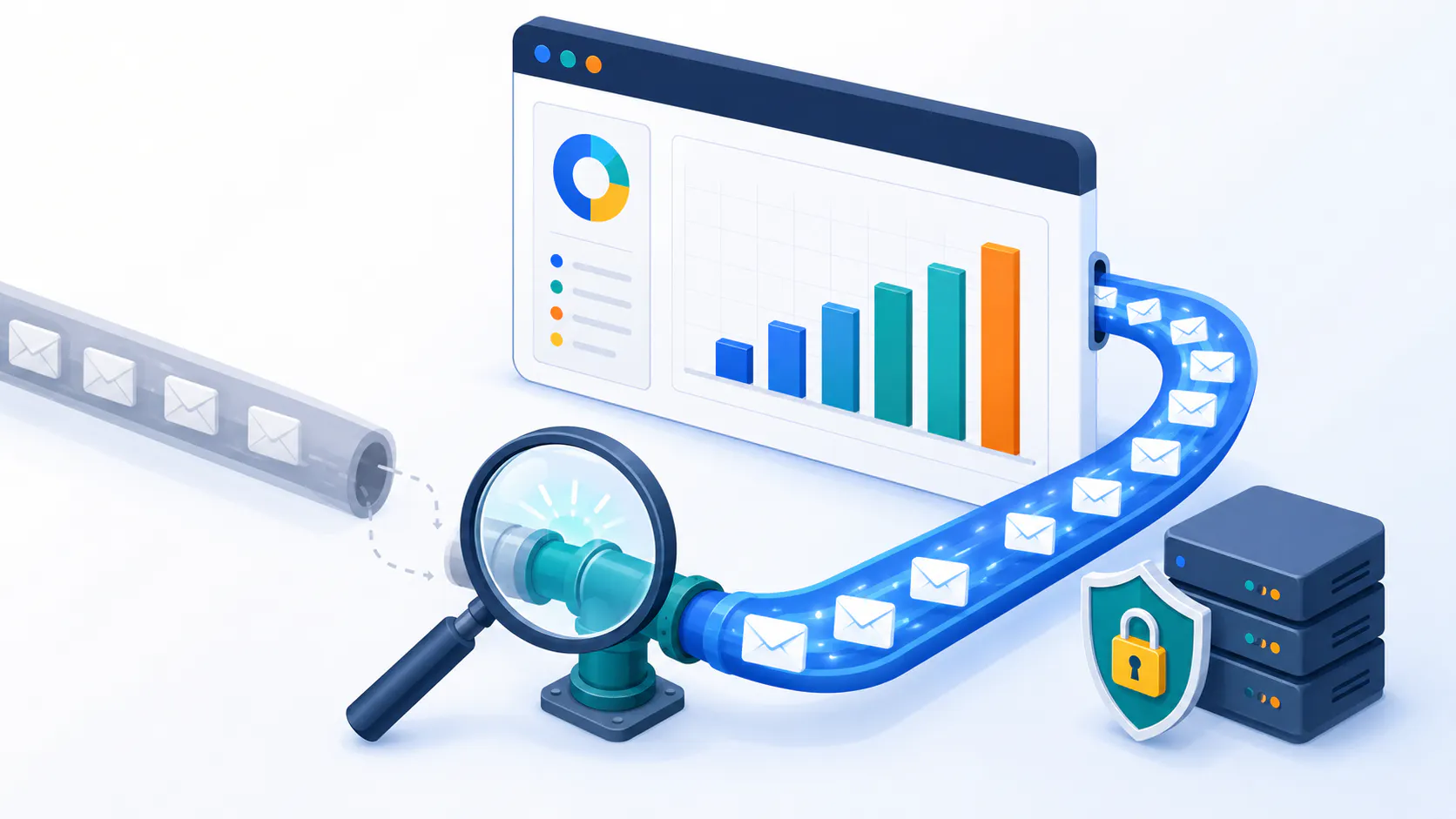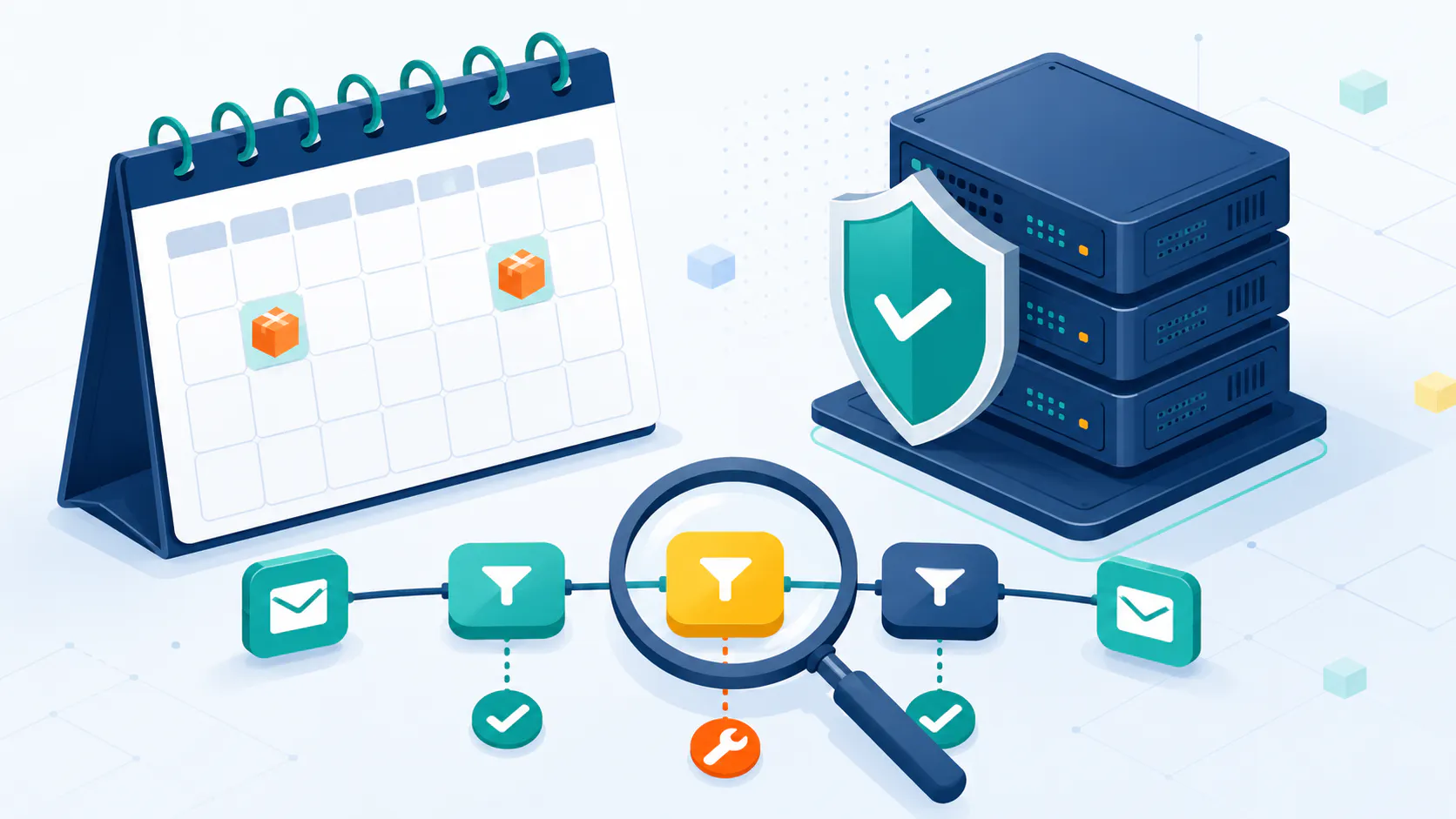

Did you know that email list segmentation can increase click-through rates by as much as 50%? In today’s competitive digital landscape, generic email blasts simply don’t cut it. This guide will show you how email segmentation can transform your marketing results by allowing you to connect with your audience on a personal level.
What is Email List Segmentation
This infographic breaks down the essential email list segmentation strategies you need to know to increase online sales, boost customer lifetime value, and build lasting brand loyalty.
Email marketing segmentation of a list is the process of dividing your email recipients into smaller, targeted groups based on specific criteria such as behavior, demographics, or psychographics.
Think about it: would you rather get generic emails that barely relate to you or tailored messages that speak directly to your interests and needs? The latter is the secret to effective and targeted email marketing segmentation.
When you segment your list you’re creating groups of subscribers who have similar characteristics. This allows for more personal communication and makes your audience feel valued and heard. For example a fitness brand might segment their list based on customer workout preferences and send targeted email marketing campaigns about strength training to one group and yoga to another. This way the content is super relevant and more likely to engage and convert.
Clear segmentation goals help you integrate segmentation into your email marketing strategy. These goals will guide you in creating email segments so every email you send isn’t a shot in the dark but a targeted effort to connect with your audience.
Whether its age groups, job title or segmentation for engaged subscribers, the goal is to increase email relevance.
Why Segment Your Email List for Your Email Marketing Campaigns
The benefits of email list segmentation are huge, it changes how you communicate with your audience. Let’s dive into the main benefits.
Increased Engagement
One of the fastest benefits of email segmentation is increased engagement. Sending targeted emails to specific segments increases open and click through rates. Studies show segmentation increases open rates by 15% and click through rates by 50%. Because segmented campaigns mean more relevant content to each recipient and grabs their attention from subject line to call to action.
Engagement is more than just numbers it’s about building a connection with your audience. Targeted campaigns resonate more with the recipient and overall performance is better. For example an email marketing campaign targeting a specific demographic with personalised content will perform better than a generic email blast.
This builds email engagement and deeper subscriber relationships.
Increased Conversions
Segmentation doesn’t stop at engagement; it also converts. Targeted email campaigns that meet subscriber expectations will get higher conversion rates. For example if you’re running a promotional email campaign for a new product segment your list based on past purchase behaviour and you’ll be targeting those most likely to buy. This relevance increases the chance of converting a recipient into a customer.
Segmented campaigns get higher click through rates and overall campaign performance. Delivering personalised content to subscriber needs increases conversions and reduces unsubscribes so you can send targeted campaigns.
This targeted approach means your subscribers get content that’s actually useful and engaging and better results in your sales funnel.
Increased Customer Loyalty
Email list segmentation is key to building and maintaining customer loyalty. Sending relevant and personalised emails increases customer satisfaction and brand loyalty. For example personalised messages that acknowledge a customer’s purchase history or preferences will make them feel valued and heard and build a stronger connection to your brand.
Consistently delivering personalised content builds trust which is key to long term loyalty of your target customers. Non segmented campaigns lead to unsubscribes because of irrelevant content.
Segmented campaigns with tailored incentives or thank you messages increases loyalty and encourages repeat business. Reward your loyal customers with exclusive discounts or early access to new products it’s a powerful way to keep them engaged and happy.
Email Marketing Segmentation Criteria
Effective email marketing hinges on understanding your audience and delivering tailored content that resonates with them. Let’s dive into the key types of email marketing segmentation to help optimize your campaigns.
Demographic Segmentation
Demographic segmentation involves categorizing subscribers based on concrete, measurable data such as age, gender, income, education, occupation, and location. This method allows marketers to group their audience in ways that don’t necessarily require behavioral data, making it an easy and effective starting point.
For example, a fashion retailer might segment their audience by gender to send gender-specific product recommendations. Demographic segmentation is especially useful when launching general campaigns that target broad groups, like age-appropriate offers or location-based promotions.
Common demographic data includes:
Age
Gender
Income level
Occupation or job title
Location (city, state, country)
This data can be gathered at signup or through surveys, and it helps you send more relevant and targeted emails to each group.
Behavioral Segmentation
Behavioral segmentation is based on the actions that your subscribers take. This includes purchase history, email interactions (opens, clicks, forwards), website visits, or other forms of engagement with your brand. By understanding subscriber behavior, you can create highly personalized campaigns that resonate with each user.
For example, if a customer frequently buys fitness equipment, you can send them targeted offers on related products like supplements or accessories. Similarly, subscribers who have shown interest in specific categories on your website can receive targeted email campaigns featuring those items.
Key behavioral data includes:
Purchase history
Email engagement (opens, clicks, forwards)
Website activity (page visits, browsing behavior)
Social media engagement
Customer feedback or reviews
Behavioral segmentation ensures you deliver timely, relevant content that encourages further engagement and drives conversions.
Psychographic Segmentation
Psychographic segmentation goes deeper than demographics and focuses on the psychological aspects of your audience, including interests, values, attitudes, and lifestyle choices. This form of segmentation helps you craft more emotionally resonant content by aligning with your subscribers’ motivations and preferences.
For example, a travel brand might segment their audience into adventure seekers and luxury travelers to send them offers that match their vacation style. This segmentation provides a deeper connection with customers, as the messaging taps into their personal beliefs and desires.
Common psychographic data includes:
Interests and hobbies
Values and beliefs
Lifestyle choices (e.g., fitness-focused, eco-conscious)
Personality traits
By understanding these psychological drivers, you can craft messages that appeal to your audience on a more personal level, enhancing trust and engagement.
Geographic Segmentation
Geographic segmentation categorizes your subscribers based on their physical location, such as country, region, city, or even climate zone. This is especially valuable for businesses that operate in multiple locations or offer location-specific promotions.
For example, a clothing brand might promote winter jackets to customers in cold climates and lighter fabrics to those in warmer regions. Similarly, if you’re hosting an event or offering region-specific services, geographic segmentation allows you to tailor your messaging to those specific areas.
Geographic segmentation can be based on:
Country or region
City or town
Climate or weather conditions
Urban vs. rural location
By segmenting your audience geographically, you can deliver more contextually relevant content that resonates with their specific environment.
Engagement-Based Segmentation
Engagement-based segmentation focuses on how subscribers interact with your emails. By tracking metrics like open rates, click-through rates, and conversions, you can segment your list based on engagement levels. This allows you to send targeted emails that either nurture highly engaged users or re-engage inactive ones.
For example, highly engaged subscribers who frequently open and click through your emails can be rewarded with exclusive offers or loyalty bonuses. On the other hand, inactive subscribers can receive re-engagement campaigns with special incentives to win them back.
Engagement-based segmentation involves:
Active users (frequent opens, clicks)
Inactive users (haven’t opened or clicked in a while)
Newly acquired subscribers
Subscribers who’ve interacted with a specific campaign
This segmentation helps you focus your efforts where they are most likely to drive results, ensuring that you nurture relationships with engaged customers while reactivating those who have lapsed.
Lifecycle Segmentation
Lifecycle segmentation categorizes subscribers based on where they are in their customer journey, from awareness to purchase, and beyond. This type of segmentation ensures that you send relevant messages at the right stage of the customer lifecycle. For instance, a new subscriber might receive a welcome series, while a loyal customer could be sent personalized product recommendations.
By understanding where each subscriber is in their lifecycle, you can tailor your messaging to meet their current needs and drive them toward the next stage.
Key lifecycle stages include:
Awareness (new subscribers who are getting to know your brand)
Consideration (subscribers who are researching products or services)
Purchase (subscribers who have made a purchase)
Retention (existing customers who you want to keep engaged)
Loyalty (repeat customers or advocates who can be rewarded)
Lifecycle segmentation allows you to send targeted campaigns that move subscribers down the funnel, nurture existing relationships, and drive repeat purchases.
Segmentation Challenges and How to Overcome Them
Email list segmentation is powerful but comes with challenges. Here are some common issues and how to fix them:
Data Quality and Accuracy
Challenge: Inaccurate or outdated data reduces segmentation effectiveness.
Solution: Clean and update your email list regularly. Use data validation tools like Cleanify.io and ask subscribers to update their preferences. Interested in learning more about list cleaning? Check out this article: Proven Clean Email List Strategies
Segment Overlap and Redundancy
Challenge: Overlapping segments can lead to duplicated messaging and confuse your audience.
Solution: Define your segment criteria clearly and use exclusion rules to prevent overlap. Merge similar segments to simplify your strategy.
List Hygiene
Challenge: A messy list with inactive subscribers and duplicates can harm engagement and deliverability.
Solution: Clean your list regularly by removing inactive subscribers and merging duplicates. Use re-engagement campaigns to win back inactive users. Here are some top tips on Email List Hygiene.
Avoid Over-Segmentation
Challenge: Over-segmentation can create too small audiences and complicated campaign management.
Solution: Focus on meaningful segments that balance size and specificity. Test broader segments before drilling down into more specific ones.
Now you’ve tackled the challenges, here’s how to put email segmentation into practice.
Advanced Techniques
If you want to take your email segmentation to the next level, advanced techniques offer even more precision and power. Multiple data points combined, dynamic content personalization and predictive analytics are three such techniques that can supercharge your email.
Combining Multiple Data Points
Merging multiple data points allows for more targeted and personalisation of email campaigns. Demographic, behavioural and psychographic data are the criteria to segment your email list. For example combining demographic data like age and gender with behavioural data like purchase history can help you create email segments that are super targeted.
Advanced segmentation techniques that combines multiple data points can increase engagement rates and overall campaign performance. Using multiple data sources refines your email campaigns to better meet the needs and preferences of your audience and makes the message more relevant and impactful.
Dynamic Content Personalisation
Dynamic content personalisation changes the email message based on real time behaviour so subscribers get the most relevant information. This technique adapts the email content to individual user preferences and increases engagement and conversion rates. For example if a subscriber is interacting with emails about travel deals, dynamic content personalisation can send them updates on the latest travel offers.
Email elements adapted in real time so recipients get information relevant to their current interests and behaviour. This level of personalisation increases user engagement and campaign performance. Ready to get into Dynamic Content? Click here to read our new blog post on this topic.
Predictive Analytics
Predictive analytics is using historical data and algorithms to forecast future customer behaviour and needs in marketing. Using predictive analytics means you can tailor your email campaigns to the customer’s preferences and increase engagement. For example analysing a customer’s purchase history can help you predict their future buying behaviour and tailor the email content accordingly.
Using predictive analytics with your email system means you can constantly refine and customise email content. This will not only increase conversion rates but also optimise your communication strategy based on consumer data patterns.
Segmentation with Email Marketing Software
A visual representation of advanced segmentation techniques in marketing.
Email marketing platforms have advanced segmentation tools to create targeted campaigns. Using these tools will help you segment your email list better and make sure your emails get to the right audience at the right time. Many email service providers also have features that supercharge these capabilities.
Here are some ways to segment with email marketing software.
Custom Fields
Custom fields allows you to capture specific subscriber data that can be used to create niche segments. Using custom fields means you can tailor emails to the unique preferences and behaviour of different subscriber groups. For example capturing data on a subscriber’s favourite product category can help you send more relevant promotional emails.
Using custom fields gives you a deeper level of personalisation so your emails are more effective. This means the message will resonate with each subscriber’s unique preferences and behaviour and increase engagement and conversion. Here’s how you can set up custom fields with Octeth.
Automation and Segmentation
These two mean you can send more targeted emails that are more relevant to each subscriber. Automation means emails are sent at the right time based on user behaviour, increasing engagement and performance. Automation can trigger emails based on actions like purchases or website visits so you can communicate with your audience in real time.
With marketing automation you can create segments that update in real time based on subscriber data. This dynamic approach means you can constantly refine your email list so your campaigns are always in sync with the latest subscriber behaviour and preferences. Automation makes segmentation easier and gets better results in email marketing.
Want to learn more about automation? Click here to read our new post on this topic.
Measuring Success and Adjusting Segmentation
To make sure your email segmentation is working you need to measure success and make adjustments. Tracking KPIs and A/B testing will refine your segmentation strategy and your campaigns.
KPIs
To measure the success of your emails you need to measure delivery rates so emails get to the right audience. Monitoring click through rates helps you evaluate the email content by seeing how many people clicked on the links in the email. Tracking subscriber list growth is important as it shows how well your email marketing is performing over time.
Better sender reputation comes from using targeted email lists so emails are less likely to be marked as spam. Key performance indicators (KPIs) are the metrics to measure the success of segmented and targeted email campaigns. Monitoring these KPIs inside of your email solution will help you see which segments are performing and which need adjusting so you can have a effective and responsive email strategy.
A/B Testing Segments
A/B testing allows you to compare different versions of emails sent to different segments so you can refine your messaging and improve performance. You can A/B test by sending different email versions to different segments and analyse the performance metrics to refine your strategy. For example you might test different subject lines, email content or call to action buttons to see which one works best for each segment.
A/B testing reveals subscriber preferences and behaviour so you can send more targeted and effective emails. This iterative process means your segmentation strategy will evolve over time and your emails will get more relevant and impactful. A/B testing your campaigns optimises your email marketing and gets better results. Here’s how you can A/B test with Octeth.
Conclusion
Mastering list segmentation is a game changer for any email strategy. By understanding the benefits, the criteria and the practicalities of segmentation you can supercharge your email marketing. Whether you’re welcoming new subscribers, rewarding existing customers or re-activating inactive subscribers segmentation allows you to send the right message to the right people at the right time. Using advanced techniques like combining multiple data points, dynamic content personalisation and predictive analytics will take your efforts to the next level. Remember the key to successful email marketing is continuous measurement and adjustment of your segmentation strategy. Start segmenting your email list today and watch your engagement, conversions and customer loyalty grow. For more tips on email campaign optimization, continue reading here.
FAQs
What is list segmentation? List segmentation is a powerful way to divide your email recipients into targeted groups based on specific criteria. So you can send more relevant and better emails! Why is email segmentation important? Email segmentation is important because it’s personalisation so your audience feels valued. This will boost engagement and conversion rates and customer loyalty. What are the criteria? To segment your email lists focus on demographic data, behavioural patterns and psychographic insights so your message will resonate with your audience. This will supercharge engagement and results! How do I segment in my email strategy? To segment in your digital strategy start by defining your goals and gathering the necessary contact details. Use your email service provider to create segments like welcoming new subscribers, rewarding existing customers and re-activating inactive subscribers. What are the advanced segmentation techniques? Use advanced segmentation techniques like combining demographic and behavioural data, dynamic content personalisation and predictive analytics to supercharge your email marketing!