
What if you could transform your email marketing from a generic blast into a personalized conversation with each customer? By integrating your email marketing platform with your CRM, you can unlock a world of possibilities. This comprehensive guide will explore the power of this integration and show you how to leverage it for maximum impact.
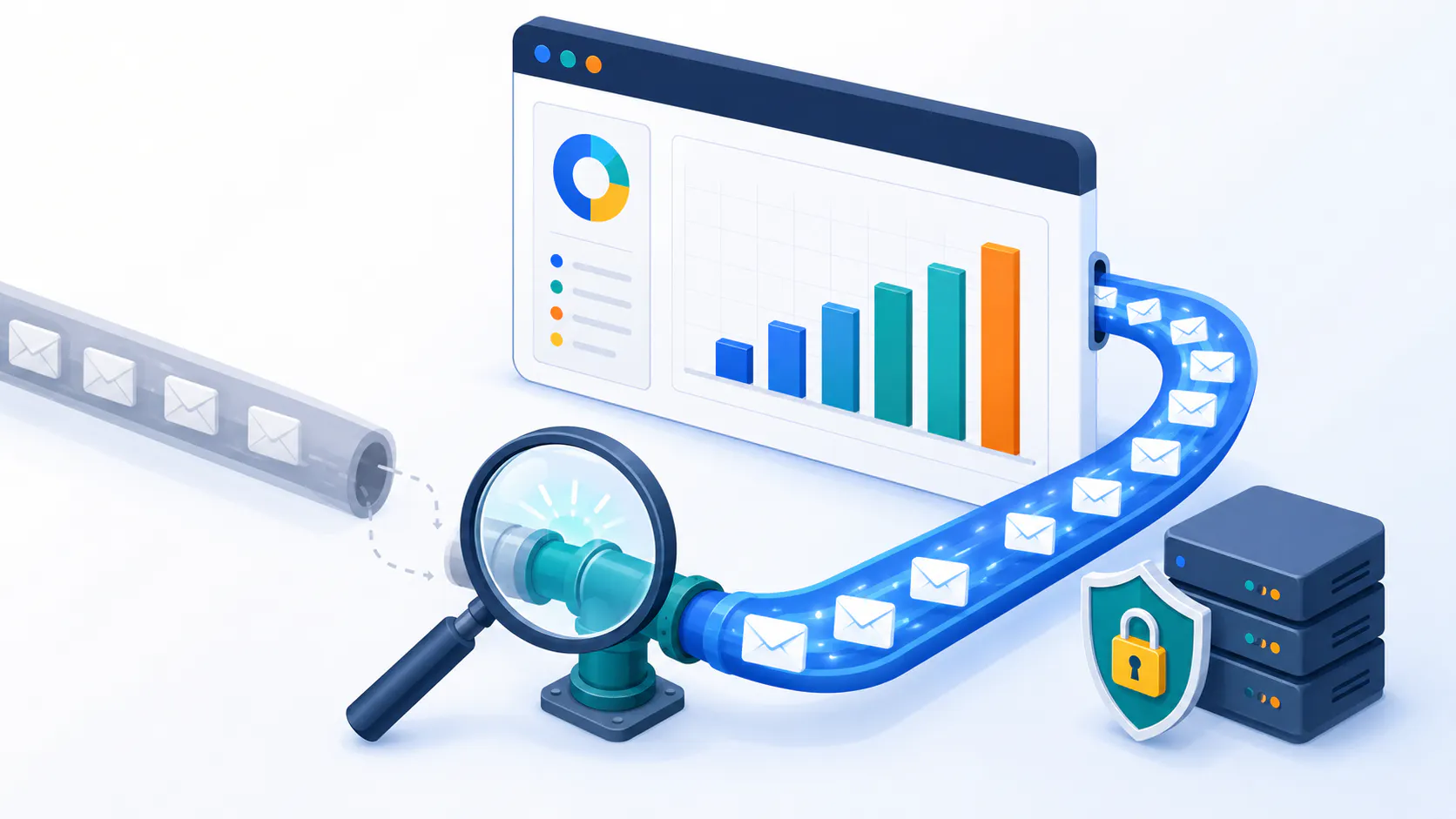
Illustration depicting the integration of email marketing with CRM.
The Foundation – The Synergy
How CRM Powers Email Marketing
Your CRM is more than just a list of contacts; it’s a treasure chest overflowing with valuable customer information. Think of it as your secret weapon for creating email marketing that truly connects. From basic details like names and email addresses to deeper insights like purchase history, website behavior, and communication preferences, your CRM holds the key to unlocking a new level of personalization.
Here’s how CRM data can transform your email marketing:
Laser-Focused Targeting: Say goodbye to generic email blasts that disappear into the void. CRM data allows you to segment your audience into highly targeted groups, so you can send messages that resonate with their specific needs and interests. Imagine sending a special offer on hiking gear to customers who frequently visit your outdoor adventure blog, or a discount on baby clothes to new parents.
Emails that Adapt Like Chameleons: With dynamic content, your emails can transform themselves based on who’s reading them. Personalize subject lines, greetings, product recommendations, and even calls to action based on individual customer data. This level of customization makes your emails feel like a one-on-one conversation.
Automated Engagement that Works While You Sleep: Set it and forget it! Trigger automated emails based on specific customer actions. Welcome new subscribers with a friendly onboarding series, remind customers about items they left in their cart, or surprise them with a birthday discount.
The Magic of Integration
Integrating your email marketing with your CRM isn’t just a nice-to-have; it’s a must-have for any business that wants to thrive in today’s competitive landscape. Why? Because it unlocks a whole new world of possibilities.
Here’s how this powerful combination can transform your marketing:
Get the Full Picture: A connected CRM gives you a 360-degree view of each customer. You’ll see their website visits, email opens, customer service interactions, and more. This holistic view allows you to understand your customers on a deeper level and communicate with them more effectively.
Create Personalized Journeys: Guide your customers through the sales funnel with personalized email journeys. Nurture leads with targeted content, offer relevant product recommendations, and provide timely support, all tailored to their individual needs and preferences.
Boost Efficiency with Automation: Say goodbye to manual tasks and hello to automation! Automate repetitive tasks like email sequencing, list segmentation, and follow-up actions, freeing up your team to focus on strategy and building relationships.
Make Data-Driven Decisions: Track key metrics like open rates, click-through rates, and conversions. Use this data to optimize your campaigns and get the most out of your marketing budget.
Build Stronger Relationships: Personalized and relevant communication creates a better customer experience. When customers feel valued and understood, they’re more likely to become loyal advocates for your brand.
Strategic Implementation
How to choose the best CRM for Email Marketing Integration
Choosing the right CRM is like finding the perfect sidekick for your email marketing adventures. It needs to have the right skills and be able to work seamlessly with your email platform. But with so many options out there, how do you choose the right one?
Figure Out What You Need
Before you start your search, think about what you want to achieve with your email marketing. Are you hoping to boost sales, keep customers coming back for more, or build stronger relationships? Knowing your goals will help you find a CRM that fits your needs.
Look for These Must-Have Features
Keeps Your Contacts Organized: A good CRM should make it easy to store and manage all your customer information in one place.
Plays Well with Your Email Platform: Make sure the CRM can easily connect with your email marketing tool.
Automates the Boring Stuff: Look for a CRM that can automate things like sending emails and sorting customers, so you can focus on the fun stuff.
Helps You Target the Right People: A good CRM should let you divide your customers into groups based on things like their interests and buying habits. This way, you can send emails that are relevant to each group.
Tracks Your Results: You need a CRM that can track important information like how many people open your emails and click on your links. This helps you see what’s working and what’s not.
Grows with Your Business: Choose a CRM that can handle your growing business and any changes you might make along the way.
Connects with Your Other Tools: Make sure the CRM can work with other tools you use for marketing, like social media or your website.
Do Your Homework
Once you know what you’re looking for, it’s time to do some research. Look at different CRMs, compare their features and prices, and read what other businesses have to say about them.
By following these tips, you’ll be well on your way to finding the perfect CRM to supercharge your email marketing.
You might also want to check out this article: The 5 Best CRM Email Marketing Software for 2025
Email Marketing Strategies for CRM Integration
Now that your CRM and email are working together, it’s time to put that power to good use! Here are some smart email strategies to try:
Welcome New Subscribers with Open Arms
When someone new joins your email list, make them feel special! Send a series of welcome emails that introduce your brand, show off your best products, and maybe even offer a discount. It’s a great way to make a good first impression.
Rescue Abandoned Carts
Ever added something to your online cart and then forgotten about it? It happens to everyone! Send friendly reminders to those who left items in their cart, and give them a little nudge to complete their purchase. Maybe offer free shipping or a small discount to sweeten the deal.
Suggest Products They’ll Love
Your CRM knows what your customers like. Use that information to recommend products they might be interested in based on their past purchases or what they’ve looked at on your website. It’s like having a personal shopper for each customer!
Keep Them in the Loop (and Promote More!)
Even emails like order confirmations and shipping updates can be marketing opportunities. Use them to promote related products or offer special deals. It’s a great way to keep customers engaged and boost sales.
Show Your Appreciation After the Sale
Don’t forget to thank your customers after they make a purchase. Send a follow-up email to show your appreciation, ask for their feedback, and maybe even suggest other products they might enjoy.
Reward Your Loyal Fans
Create a loyalty program and use email to keep your best customers happy. Send them exclusive offers, updates on their rewards, and let them know how much you value their business.
Win Back Lost Customers
Sometimes customers drift away, but that doesn’t mean they’re gone forever. Send targeted emails to those who haven’t been active lately, offering special incentives or highlighting new products that might spark their interest.
Listen to Your Customers
Want to know what your customers really think? Ask them! Send out surveys to get feedback on your products, services, and even your marketing efforts. Their feedback can help you improve and grow your business.
Measurement and Optimization
Email marketing is a moving target. Continuous measurement and optimization is key to getting the best results. Here’s what you need to keep an eye on:
KPIs: Track the important KPIs such as open rates, click-through rates, conversion rates, unsubscribe rates and ROI.
A/B Testing: Test subject lines, email content, calls to action and send times to see what works best with your audience.
Data Analysis and Interpretation: Analyze your campaign data to see what’s working and what’s not. Look for trends and patterns to inform your future strategies.
Continuous Optimization: The digital world is always changing. Stay on top of the latest trends and adapt your email marketing accordingly.
The Future of CRM and Email Marketing
The world of CRM and email marketing is always changing. New technologies and ways of doing things are popping up, giving businesses exciting new ways to connect with their customers. To stay ahead of the game, it’s important to understand these changes and use them to your advantage.
Artificial Intelligence (AI): Making Things Easier and Smarter
AI is like having a super-smart assistant for your email marketing. It can do things like:
Personalized Emails: AI can look at all the information you have about your customers and use it to create emails that are just for them. This could be suggesting products they might like or even changing the subject line to something they’ll find interesting.
Smart Groups: AI can group your customers based on their behavior and what they like. This means you can send emails that are relevant to each group.
Automatic Content: AI can even help you write your emails! It can create subject lines or descriptions that grab your customers’ attention.
Real-Time Personalization: Right Message, Right Time
Imagine sending an email with a special offer for something a customer is looking at on your website right now. That’s real-time personalization! It’s all about sending the perfect message at the perfect moment.
Omnichannel Marketing: Connecting with Customers Everywhere
Omnichannel marketing means using different ways to talk to your customers – email, social media, text messages, and even phone notifications. It’s about making sure your customers have a smooth and personalized experience, no matter how they interact with your business.
How to integrate email marketing with CRM: A Practical Guide
The steps will vary depending on the CRM and email marketing tools you use, but here’s the general framework:
1. Choose Compatible Tools:
Make sure your chosen CRM and email marketing tool are compatible. Many popular tools have built-in integrations or APIs for custom connections.
2. Data Sync:
Set up a process for syncing data between your CRM and email marketing tool. This usually involves mapping fields (e.g. first name, last name, email) so data is transferred correctly.
How often do you want to sync data? Real-time or near real-time is ideal so your email lists are always up to date.
3. Segmentation and List Management:
Use your CRM to segment your email lists based on customer demographics, behaviour and preferences.
Dynamically update your email lists as changes happen in your CRM. For example, automatically add new subscribers to welcome email sequence.
4. Automation:
Set up automated email workflows triggered by specific actions or events in your CRM. This could be welcome emails, abandoned cart reminders or post-purchase follow ups.
5. Personalization and Dynamic Content:
Use CRM data to personalise your email content. Insert customer names, recommend products, tailor your message to individual preferences.
6. Tracking and Analytics:
Integrate tracking so you can monitor email performance metrics within your CRM. This so you can make data driven decisions.
7. Troubleshooting and Support:
Familiarise yourself with the support resources of your CRM and email marketing tool in case you run into issues during the integration.
Conclusion: The Connection
Tying email marketing to your CRM is more than a tactical move, it’s a strategic investment in building better customer relationships. By leveraging the power of personalisation, automation and data insights you can create a more engaging and effective email marketing strategy that drives business growth and customer loyalty. Connect your CRM and email marketing and unlock the full potential of your customer relationships.
What is email marketing CRM integration? It’s the connection of your email marketing platform and your CRM system. This allows data to flow between the two, enabling more personalized and targeted email campaigns. Why should I integrate my email marketing with my CRM? Integrating your email marketing with your CRM allows you to send more targeted and personalized emails. This leads to better engagement, higher conversion rates, and stronger customer relationships. Essentially, you’ll be able to send the right message to the right person at the right time. How can CRM data improve my email marketing? CRM data helps you understand your customers better. You can use this knowledge to segment your audience, personalize your emails, and automate your campaigns, making your email marketing more effective. What are the key steps to integrate these two systems? First, make sure your CRM and email marketing platform are compatible. Then, you’ll need to synchronize your data, set up automation, and configure personalization options. Many platforms offer built-in integrations or helpful guides to make this process easier. What are some best practices for integration? Keep your data clean and organized, segment your audience strategically, personalize your emails, automate wisely, and track your results carefully. These practices will help you get the most out of your integrated system.