
Did you know that using a dedicated landing page can increase conversion rates by up to 25%? In today’s digital world, having a website is essential, but it’s not always enough. This guide will explore the key differences between landing pages and websites, and show you how to use both effectively to achieve your marketing goals.
Quick Summary
Websites provide a comprehensive online presence for your brand, offering information, engagement, and multiple functionalities.
Landing pages are focused on driving conversions for specific campaigns, with a streamlined design and a single call to action.
Integrating landing pages with your website and email marketing strategy can create a seamless user experience and maximize your marketing ROI.
What is a Website?
A website is your 24/7 online storefront, allowing customers to learn about your brand, browse products/services, and make purchases. It builds credibility, showcases your expertise, and provides a platform for customer interaction.
Example: A small bakery might use their website to showcase their menu, customer testimonials, and online ordering system, while an e-commerce store selling handmade jewelry could feature high-quality product photos, artist information, and customer reviews.
What is a Landing Page?
Illustration of landing page vs website.
A landing page is a standalone page designed with laser focus: getting visitors to take ONE specific action. This could be signing up for your email list, downloading a resource, or making a purchase.
Example: A landing page promoting a new product launch might feature a compelling headline, product images/videos, key benefits, and a prominent ‘Buy Now’ button.
Key Differences Between Websites and Landing Pages
A comparison chart illustrating the main differences between the landing page vs website.
Understanding the key differences of landing pages vs websites is crucial for making informed marketing decisions. Websites serve broader informational and branding goals, offering a comprehensive digital presence, while lead capture pages are focused on conversion-driven objectives.
Here’s a table comparing the key differences between landing pages and websites:
AspectLanding PagesWebsitesPurposeDesigned to capture leads with a singular conversion goal. Often customized for specific campaigns.Serve broader informational and branding goals. Provide extensive business information and multifunctional capabilities.DesignClean, distraction-free design focused on the conversion goal. Simple layout with a drag-and-drop editor.Multiple pages, more complex navigation, and menus to accommodate various content types.ContentShort, action-oriented content designed for immediate responses. Focuses on concise messaging.Diverse content types covering different aspects of a brand, offering detailed information across multiple sections.NavigationOften lacks navigation to keep visitors focused on one specific action.Includes extensive navigation menus, allowing visitors to explore multiple pages and content.
This comparison highlights the functional differences between landing pages and full websites, making it easier to decide which is best for your specific marketing goals.
Email Marketing and Its Connection
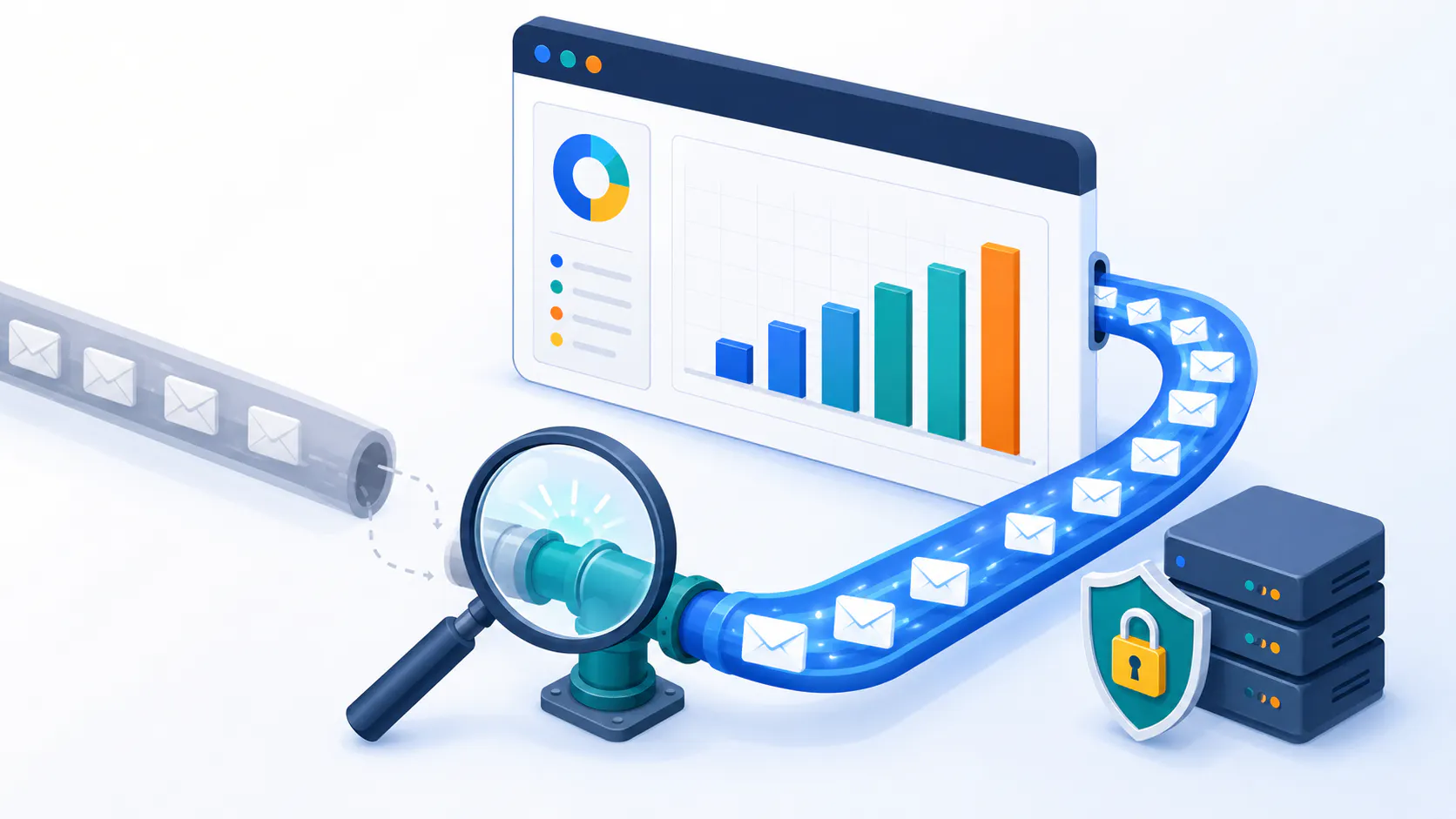
Email marketing and landing pages are like two peas in a pod – they work best when they work together. Think of your email campaign as the messenger, delivering a compelling invitation to your audience. Your landing page is the destination, where that invitation is fulfilled and the magic happens.
How it Works:
Targeted Emails: Segment your email list based on subscriber interests, demographics, or behavior. Craft targeted emails that speak directly to each segment’s needs and desires.
Dedicated Landing Pages: Create dedicated landing pages for each email campaign. Ensure the landing page aligns perfectly with the email’s message, offer, and call to action.
Seamless Transition: Include a clear and prominent call to action (CTA) in your email that directs subscribers to the corresponding landing page. Make the transition between the email and landing page as smooth as possible.
Example:
Imagine you’re an e-commerce store owner promoting a Valentine’s Day sale. You could segment your email list based on past purchase history and send targeted emails to those who have previously purchased gifts for their significant others. The email would highlight your Valentine’s Day collection and include a CTA like “Shop Now” that links to a dedicated landing page showcasing your Valentine’s Day offers.
Benefits of Integration:
Increased Conversions: By providing a focused and relevant destination for your email traffic, you increase the chances of conversions.
Improved User Experience: A seamless transition between email and landing page creates a positive user experience, encouraging further engagement with your brand.
Enhanced Tracking and Measurement: You can track the performance of your email campaigns and landing pages together, gaining valuable insights into what resonates with your audience and drives conversions.
When to Use a Landing Page
Knowing when to use a landing page versus a website is crucial for maximizing your online marketing efforts. Here’s a breakdown to help you make the right decision:
Landing Pages: Your Conversion Powerhouse
Landing pages are ideal for focused campaigns and specific marketing objectives. Consider using a landing page when:
Promoting a specific offer: Launching a new product, running a limited-time sale, or offering a special discount.
Driving a particular action: Encouraging email sign-ups, webinar registrations, or contest entries.
Targeting a specific audience: Tailoring your message and offer to a particular segment of your customer base.
Tracking campaign performance: Measuring the effectiveness of a specific marketing campaign with dedicated conversion tracking.
Example:
A fitness studio launching a new yoga class could create a landing page specifically for that class, highlighting its benefits, schedule, and instructor. The page would include a clear call to action to “Sign Up Now” and track conversions for that specific campaign.
Websites: Your Online Home Base
Websites are essential for establishing a comprehensive online presence and building brand awareness. Consider using a website when:
Showcasing your brand: Providing detailed information about your company, products, services, and values.
Engaging your audience: Creating a platform for content marketing, customer interaction, and community building.
Establishing credibility: Building trust with potential customers by providing a professional and informative online presence.
Supporting multiple objectives: Offering various functionalities like e-commerce, contact forms, blog posts, and multimedia content.
Example:
A local restaurant would need a website to showcase their menu, location, hours, contact information, and online ordering system. They could also use their website to share customer testimonials, blog posts about their culinary philosophy, and photos of their dishes and ambiance.
Email Collection Strategies
A visual representation of email collection strategies on a landing page.
Landing Pages
Landing pages often feature lead capture forms designed with one goal in mind: to capture email subscribers or customers without distractions. These forms are typically minimalist, removing any unnecessary elements that could divert attention from the main call to action.
To incentivize visitors to provide their email addresses, landing pages often offer something in return, such as:
Discounts: “Sign up now and get 10% off your first order!”
Free resources: “Download our free e-book on [relevant topic].”
Special offers: “Join our VIP list for exclusive deals and early access to new products.”
Example:
A landing page promoting a free webinar could offer a discount code (“WEBINAR15”) in exchange for email signups.
Websites
Websites can utilize a variety of email collection strategies across different pages. Some common methods include:
Pop-up forms: These forms appear as overlays on the website, often triggered by a specific action (e.g., time spent on page, exit intent).
Sticky bars: These are fixed bars that remain at the top or bottom of the page as the user scrolls.
Embedded forms: These forms are integrated within the website’s content, such as in a sidebar or at the end of a blog post.
Each form can be tailored with different messages and CTAs to match the context of the page.
Example:
A website’s homepage might feature a pop-up form offering a discount for first-time visitors, while a blog post about healthy recipes could include an embedded form inviting readers to sign up for a weekly newsletter with more recipes.
Creating High Converting Landing Pages
Lead capture pages are designed to convert big time and have only one call to action button. Concise and targeted content equals higher engagement and conversions.
Clear Call to Action
A clear call to action on a lead capture page is key especially when tied to an email campaign. Placing the call to action above the fold makes it more visible and engaged. Contrasting colors on the call to action button makes it pop and short direct text increases the chances of visitor engagement.
Whether on a landing page or a website, using clear and compelling CTAs is crucial for encouraging email sign-ups. Some effective CTAs include:
“Download Now”
“Sign Up for Free”
“Get Your Discount”
“Join Our VIP List”
By using strong CTAs and offering valuable incentives, you can effectively capture email leads and grow your subscriber list.
Minimal Distractions
The main purpose of a landing page is to guide visitors to a specific offer. Limiting navigation and links helps to reduce distractions and keep the visitor focused on the offer.
This is key to converting visitors into leads or customers.
A/B Testing
A/B testing increases the chances of converting visitors into customers. Testing and refining the lead capture page elements based on user data is crucial to maximize conversions.
This is an iterative process to optimize everything.
Using Landing Pages and Websites for Email Segmentation
Landing pages can segment email subscribers based on their actions and interests and send personalized email campaigns that speak to the recipient’s interests or stage in the buyer journey.
Websites provide data for email segmentation such as pages visited, time on site and interactions with specific content. If you’d like to dive into email segmentation, continue reading here.
Combining data from landing page interactions and website behavior makes email marketing more effective.
SEO for Landing Pages and Websites
SEO for both landing pages and websites requires understanding their different roles in search visibility. Optimizing can get you organic traffic which is more sustainable than paid ads. Adding relevant keywords to the page’s URL helps search engines understand the content of the page and potentially improves its visibility and ranking in search results.
Keywords
Keyword targeting can increase the relevance and ranking of both landing pages and websites. Using primary and secondary keywords helps a page to be more visible in search results. This is key to aligning marketing with SEO goals. Try to put yourself into the customer’s shoes, what are they possibly searching for that could bring them to you?
For your landing page, target specific keywords related to your offer. For your website, focus on broader keywords related to your brand and industry.
Content Strategy
The content is something you have to focus on if you decide a website is the best option for you. Content that answers the user’s question is key to good search engine rankings. A content strategy should balance SEO with user engagement to work better. This will give you sustained visibility.
Landing Pages on Websites
Integrating landing pages within your website can create a cohesive and effective online experience. It allows you to leverage the strengths of both platforms while maintaining a consistent brand identity and user experience.
Benefits of Integration:
Consistent Branding: Maintain a unified brand experience across your website and landing pages, reinforcing brand recognition and trust.
Improved Navigation: Integrate landing pages into your website’s navigation menu, allowing visitors to easily access specific offers or campaigns.
Cross-Promotion: Promote your landing pages within your website content, driving traffic to targeted offers and increasing conversions.
Enhanced User Experience: Create a seamless user journey from general website browsing to focused landing page conversions.
Example:
An e-commerce store selling organic skincare products could create a landing page specifically for their new line of facial serums. This landing page could be linked from their website’s homepage, their skincare category page, and even within relevant blog posts about skincare routines.
Best Practices for Integration:
Consistent Design: Ensure your landing pages maintain the same design elements (logo, colors, fonts) as your main website.
Clear Navigation: Include links to your landing pages within your website’s navigation menu or relevant content sections.
Compelling CTAs: Use clear and enticing calls to action on your website to drive traffic to your landing pages.
Tracking and Measurement: Track the performance of your landing pages within your website analytics to measure their effectiveness and identify areas for improvement.
Conclusion
Knowing the difference between landing pages and websites is key to making good marketing decisions. Websites are for broader informational and branding purposes, landing pages are for conversion driven purposes. Using both in your marketing will get you higher engagement and conversion rates. By putting landing pages on your website, consistent branding and cross promotion you can have a joined up user experience that delivers. Choose the right tool for the job and watch your online presence flourish.
Frequently Asked Questions
What is the main difference between a website and a landing page? The main difference is that a website offers a wide range of content and navigational features, while a landing page is one single web page that focuses on a single, clear goal for a marketing campaign. So, if you’re looking to only drive traffic to a specific action, a landing page is your best bet! When should I use a landing page? You should use a landing page for targeted marketing, product launches, and lead generation. They’re great for generating leads and boosting engagement and conversions! How can landing pages and websites work together in email marketing? Landing pages and websites can work together by using landing pages as targeted destinations for your email campaigns, while your website nurtures leads with ongoing content. This combination ensures a smooth experience that guides potential customers from interest to conversion. What are the best practices for creating high converting landing pages? To create a high-converting landing page, focus on a clear call to action, minimize distractions, and use A/B testing to refine your elements. Also optimize the pages for search engines. These strategies help you connect with visitors and boost conversions effectively. How do SEO strategies differ for lead capture pages and websites? SEO strategies for lead capture pages and business websites differ primarily in their keyword focus; landing pages target specific, transactional keywords for encouraging visitors and drive conversions, while websites use broader keywords to enhance user engagement and improve overall search rankings.