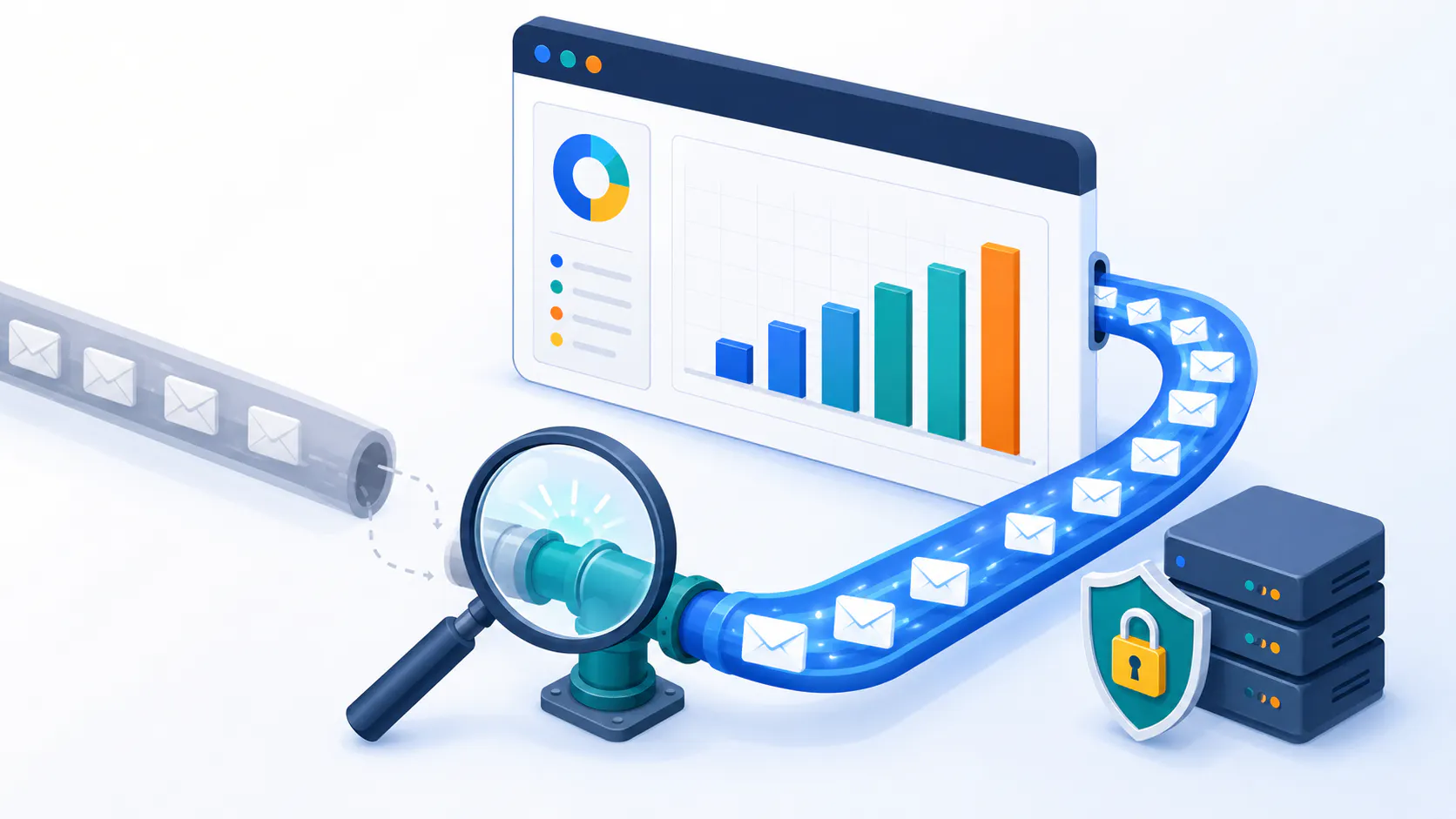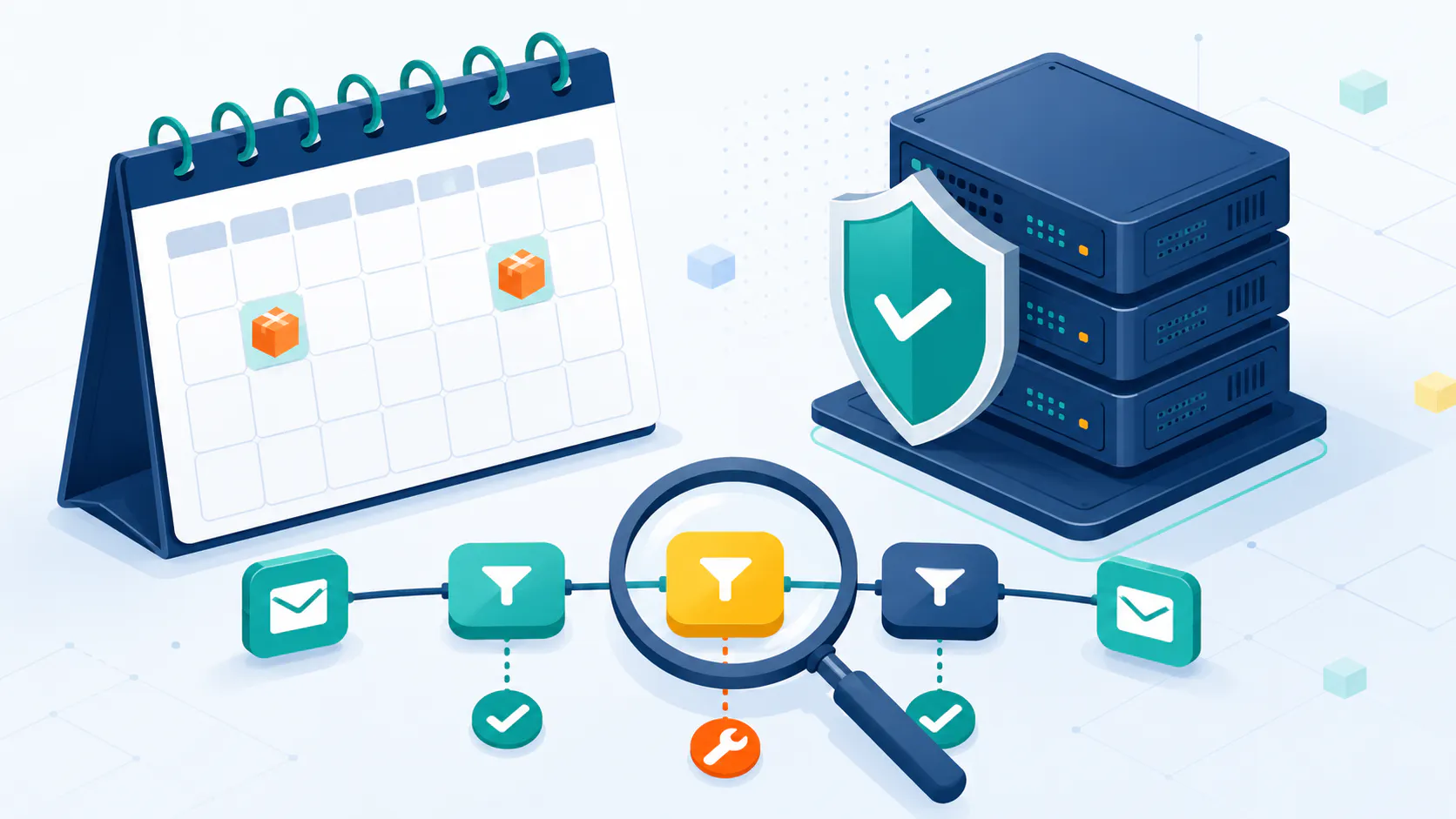

Hey there, fellow email marketer! Want to know the secret to truly rocking your email campaigns? It all comes down to maintaining email list quality. Think of your email list like a garden – if you don’t tend to it regularly, it’ll get overrun with weeds and won’t produce those beautiful blooms (aka conversions!).
In this guide, we’ll explore the ins and outs of maintaining email list quality, from cleaning and verification techniques to advanced segmentation strategies. We’ll also dive into the tools and tactics that can help you build a thriving email list that drives engagement and boosts your bottom line. Let’s get started!
Why Email List Quality Matters
Before we jump into the how-to, let’s talk about the why. Why is maintaining a pristine email list so crucial for your marketing success?
Improved Deliverability: Invalid email addresses and spam traps can hurt your sender reputation and land your emails in the dreaded spam folder. A clean list ensures your emails reach the inbox, where they belong.
Higher Engagement: Engaged subscribers are more likely to open, click, and convert. By removing inactive subscribers, you’ll boost your overall engagement rates and see better results from your campaigns.
Reduced Costs: Sending emails to invalid addresses is a waste of money and resources. A clean list ensures you’re only targeting valid contacts, maximizing your ROI.
Stronger Sender Reputation: A good sender reputation is essential for email deliverability. By keeping your list clean and following best practices, you’ll maintain a positive reputation with email providers.
Better Data for Decision-Making: A high-quality email list provides accurate data that you can use to segment your audience, personalize your messages, and make informed marketing decisions.
Building a Quality Email List from the Ground Up
Maintaining email list quality starts with building it the right way. Here are some effective strategies to attract engaged subscribers:
Lead Magnets That Shine
Offer something valuable in exchange for an email address. But don’t just offer any old thing – make it irresistible!
Lead Magnet TypeDescriptionExampleProblem-solving guidesIn-depth resources that address a specific pain point“The Ultimate Guide to Creating a Killer Email Marketing Strategy”Checklists and templatesActionable tools that simplify tasks“Content Calendar Template for Busy Marketers”Exclusive video contentBehind-the-scenes access or tutorials“Webinar Recording: How to Double Your Email List in 30 Days”Free trials or consultationsOffer a taste of your product or service“Free 14-Day Trial of Our Email Marketing Platform”
Pop-ups Done Right
Use pop-ups strategically to capture attention and encourage sign-ups. But avoid being annoying! Experiment with different types of pop-ups and triggers:
Pop-up TypeTriggerBest ForExit-intent pop-upAppears when a user is about to leave the pageCapturing those who are about to leaveScroll-triggered pop-upShows up when a user scrolls down a certain percentage of the pageEngaging readers who are actively consuming your contentTimed pop-upAppears after a user spends a specific amount of time on the pageTargeting those who are showing interest in your site
Chatbots for Personalized Engagement
Engage visitors with chatbots that can answer questions, provide recommendations, and guide them through the sign-up process. This adds a personal touch and can significantly improve conversion rates.
Content Upgrades
Offer exclusive bonus content related to your blog posts or articles in exchange for an email subscription. This is a great way to provide extra value and incentivize sign-ups.
Social Media Contests
Run contests and giveaways on social media that require an email address to enter. This can help you expand your reach and attract new subscribers.
Partnerships
Collaborate with other businesses or influencers to cross-promote your email lists. This can expose you to a new audience and generate high-quality leads.
For more tips to build a solid email list, continue reading here: Email List Management: Strategies for Success
Essential Tools for Email List Cleaning
Now that you’re attracting those subscribers, it’s time to keep that list sparkling clean. Here are some powerful tools that can help:
Your Email Service Provider (ESP): Many ESPs offer built-in list cleaning features or integrations with third-party verification tools. Check your ESP’s documentation or contact their support team for more information.
Cleanify.io: This email verification service helps you identify and remove invalid email addresses, spam traps, and other problematic data. It offers real-time validation and bulk verification to keep your list in top shape.
Email List Verification Services: Explore other reputable email verification services like ZeroBounce, NeverBounce, and XVerify. Each offers slightly different features and pricing, so compare them to find the best fit for your needs. Visit this post for the best picks: Best Email List Cleaning Service: Your 2025 Guide
Keeping Your Email List Sparkling Clean: Best Practices
Now that you have the tools, let’s dive into the best practices for maintaining a squeaky-clean email list:
Regularly Scrub Your List
Don’t let your list get stale! Aim to clean your list every 3-6 months to remove invalid addresses, inactive subscribers, and spam traps.
Validate Email Addresses at Sign-Up
Implement real-time email verification to catch typos and invalid addresses right at the point of entry. This prevents bad data from polluting your list in the first place.
Understand Your Bounces
Pay attention to your bounce rates and distinguish between hard bounces (permanent delivery failures) and soft bounces (temporary issues). Remove hard bounces immediately and investigate soft bounces to identify potential problems.
Segment Your Audience
Divide your subscribers into groups based on their interests, demographics, engagement levels, and purchase history. This allows you to send targeted messages that resonate with each segment, improving engagement and reducing the likelihood of unsubscribes.
Use Double Opt-In
Require new subscribers to confirm their subscription by clicking a link in a confirmation email. This ensures that only genuinely interested individuals are added to your list, reducing spam complaints and improving engagement.
Monitor Engagement Metrics
Keep a close eye on key metrics like open rates, click-through rates, and unsubscribe rates. This will help you identify potential problems and take corrective action.
Re-engage Inactive Subscribers
Don’t give up on those who haven’t opened your emails in a while. Try sending a re-engagement campaign with a special offer or valuable content to win them back.
Make Unsubscribing Easy
Don’t make it difficult for people to unsubscribe. A clear and simple unsubscribe process shows respect for your subscribers and can prevent spam complaints.
Stay Up-to-Date with Data Privacy Regulations
Ensure you’re complying with relevant data privacy regulations like GDPR and CAN-SPAM. This includes obtaining proper consent, providing clear privacy policies, and honoring unsubscribe requests promptly.
Looking for more tips? Check out these posts:
Clean Email List Strategies for Higher ROI
Scrub Your List: Proven Email List Cleaning Techniques
Troubleshooting Common Email List Problems
Even with the best intentions and practices, email marketers sometimes encounter challenges with their lists. Here are some common problems and how to tackle them head-on:
High Unsubscribe Rates:
Problem: Subscribers are leaving your list faster than you can say “unsubscribe.”
Possible Causes: Irrelevant content, too many emails, lack of personalization, poor email design.
Solutions:
Segment your list: Send targeted emails based on subscriber interests and preferences.
Reduce email frequency: Give subscribers breathing room and only send emails when you have something valuable to share.
Improve your email content: Make sure your emails are engaging, informative, and visually appealing.
Personalize your messages: Use the subscriber’s name and tailor content to their interests.
Offer an “opt-down” option: Allow subscribers to choose the types of emails they receive and how often.
Low Open Rates:
Problem: Your emails are getting delivered, but no one’s opening them.
Possible Causes: Unengaging subject lines, irrelevant content, poor sender reputation, sending emails at the wrong time.
Solutions:
Write compelling subject lines: Use power words, personalization, and a sense of urgency to grab attention.
A/B test your subject lines: Experiment with different approaches to see what works best.
Optimize your email preheader: Use this valuable space to provide a sneak peek of your email content.
Segment your list: Send targeted emails that are relevant to each subscriber’s interests.
Send emails at the optimal time: Experiment with different send times to see when your audience is most engaged.
Sudden Increase in Spam Complaints:
Problem: You’re seeing a spike in spam complaints, which can damage your sender reputation.
Possible Causes: Sending emails to people who didn’t subscribe, using misleading subject lines or content, not including an unsubscribe link, buying email lists.
Solutions:
Review your email acquisition practices: Ensure you’re obtaining proper consent and not spamming people.
Use double opt-in: Confirm subscriptions to ensure only engaged users are on your list.
Clean your list regularly: Remove invalid addresses and inactive subscribers.
Be transparent about your email content: Avoid misleading subject lines or content that doesn’t match subscriber expectations.
Make unsubscribing easy: Provide a clear and simple unsubscribe process.
The High Cost of Bad Data (and the Rewards of Clean Data)
Let’s talk numbers. Bad data can be a costly problem. Inaccurate or outdated information can lead to:
Impact of Bad DataConsequenceWasted resourcesSpending money on marketing campaigns that target the wrong people or invalid addresses.Missed opportunitiesFailing to connect with potential customers due to inaccurate contact information.Damaged reputationHigh bounce rates and spam complaints can hurt your sender reputation and deliverability.Lost revenueIneffective campaigns and missed opportunities can directly impact your bottom line.
On the flip side, clean data can bring significant rewards:
Benefits of Clean DataOutcomeHigher deliverability ratesEnsuring your emails reach the inbox, maximizing your chances of engagement.Improved sender reputationBuilding trust with email providers and avoiding spam filters.Increased engagement and conversionsSending targeted and relevant messages that resonate with your audience.Better ROI on your email marketingMaximizing the effectiveness of your campaigns and getting the most out of your investment.Enhanced customer satisfactionProviding a positive experience for your subscribers and building stronger relationships.
Email List Management: Advanced Strategies
Ready to take your email list management to the next level? Here are some advanced strategies to consider for maintaining email list quality:
Advanced Segmentation: Go beyond basic demographics and segment your list based on factors like:
Purchase history: Target customers who have purchased specific products or services with tailored offers.
Website behavior: Segment based on pages visited, content downloaded, or links clicked to personalize recommendations.
Email engagement: Identify your most engaged subscribers and send them exclusive content or early access to promotions.
Lead scoring: Assign points to subscribers based on their engagement and behavior to identify your hottest leads.
Lifecycle Email Marketing: Create automated email sequences that nurture subscribers throughout their customer journey, from welcome emails to post-purchase follow-ups and re-engagement campaigns.
Preference Centers: Allow subscribers to customize their email preferences, such as the types of content they receive and the frequency of emails.
A/B Testing: Experiment with different subject lines, email content, and calls to action to see what resonates best with your audience.
Regularly Review and Update Your Email Marketing Strategy: The world of email marketing is constantly evolving. Stay up-to-date with the latest trends and best practices to ensure your strategy remains effective.
Reawakening Dormant Subscribers: Re-engagement Campaigns
Even with the best list-building and cleaning practices, some subscribers will inevitably become inactive. But don’t give up on them just yet! Re-engagement campaigns can be a powerful way to rekindle their interest and bring them back into the fold.
Here are some effective re-engagement strategies:
The “We Miss You” Email: Send a heartfelt email expressing that you’ve missed their engagement and offering a special incentive to return, such as a discount, free shipping, or exclusive content.
The “Preference Update” Email: Give subscribers the opportunity to update their email preferences, allowing them to choose the types of content they receive and how often they want to hear from you.
The “Feedback Survey” Email: Ask for their feedback on your emails and what they’d like to see more of. This shows that you value their opinion and can help you improve your content.
The “Last Chance” Email: If all else fails, send a final email letting them know that you’ll be removing them from your list unless they take action. This can sometimes be a surprisingly effective way to get a response.
The Power of Welcome Emails
First impressions matter, and your welcome email is your chance to make a great one. A well-crafted welcome email can set the tone for your relationship with new subscribers and encourage them to engage with your brand.
Here’s what to include in your welcome email:
A warm greeting and thank you: Thank them for subscribing and express your excitement to have them on board.
Introduce your brand: Briefly explain who you are, what you do, and what you offer.
Set expectations: Let them know what kind of content they can expect to receive and how often.
Offer a special incentive: Welcome them with a discount code, free shipping offer, or exclusive content.
Include a clear call to action: Encourage them to explore your website, browse your products, or follow you on social media.
Measuring the Success of Your Email List Hygiene
How do you know if your efforts to maintain email list quality are paying off? Keep a close eye on these key metrics:
Deliverability Rate: The percentage of emails that are successfully delivered to the inbox.
Bounce Rate: The percentage of emails that are not delivered.
Open Rate: The percentage of recipients who open your emails.
Click-Through Rate: The percentage of recipients who click on a link in your email.
Conversion Rate: The percentage of recipients who take a desired action, such as making a purchase or signing up for a webinar.
Unsubscribe Rate: The percentage of recipients who unsubscribe from your list.
Spam Complaint Rate: The percentage of recipients who mark your email as spam.
By tracking these metrics over time, you can see how your list hygiene practices are impacting your email marketing performance.
Conclusion
Maintaining email list quality is an ongoing process, but it’s well worth the effort. By implementing the strategies and best practices outlined in this guide, you can ensure that your emails reach the right people, drive engagement, and contribute to your overall marketing success.
Remember, your email list is a valuable asset. Treat it with care, and it will reward you with loyal customers and a thriving business.
Frequently Asked Questions
What is email list quality? Email list quality refers to the accuracy, engagement, and relevance of the contacts on your email list, impacting deliverability and campaign success. Why is maintaining email list quality important? Maintaining email list quality ensures higher engagement rates, reduces bounce rates, and improves overall email deliverability, leading to better marketing results. How often should I clean my email list? It’s recommended to clean your email list at least every six months to remove inactive subscribers and ensure the list remains engaged. What are some signs of a poor email list? Signs include high bounce rates, low open rates, and low click-through rates, indicating that your list may contain inactive or irrelevant contacts. How can I improve engagement on my email list? You can improve engagement by segmenting your audience, personalizing content, and regularly sending relevant and valuable information. What is data hygiene in email marketing? Data hygiene involves regularly updating and maintaining your email list to ensure accuracy and relevance, preventing issues like bounces and spam complaints. Should I use double opt-in for my email list? Yes, using double opt-in helps confirm subscribers’ interest, ensuring that your list consists of engaged and willing recipients.