
Want to keep your email marketing private and respectful? This guide is for you! Since it’s Human Rights Day, let’s talk about how to protect your subscribers’ personal data. We’ll cover the basics of big privacy laws like GDPR and CAN-SPAM, plus some ethical tips for good email marketing. Learn how to be open and honest with your subscribers, keep their data safe, and build trust with everyone on your email list.
Respecting Your Subscribers: Why Email Privacy Matters
Did you know that privacy is a basic human right? It’s true! Important documents like the Universal Declaration of Human Rights talk about everyone’s right to control their own information. And guess what? Email marketers have a big role to play in respecting those rights.
Every time you send an email, you’re handling personal data. That’s why it’s so important to be ethical and transparent. Human Rights Day reminds us to treat our subscribers with respect. This means being open about how you collect, use, and protect their data. A clear privacy policy is a great way to show your subscribers you care.
But privacy isn’t just about following the rules. It’s about doing the right thing. When you prioritize privacy, you build trust with your audience. And that’s good for everyone!
What Does Email Privacy Really Mean?
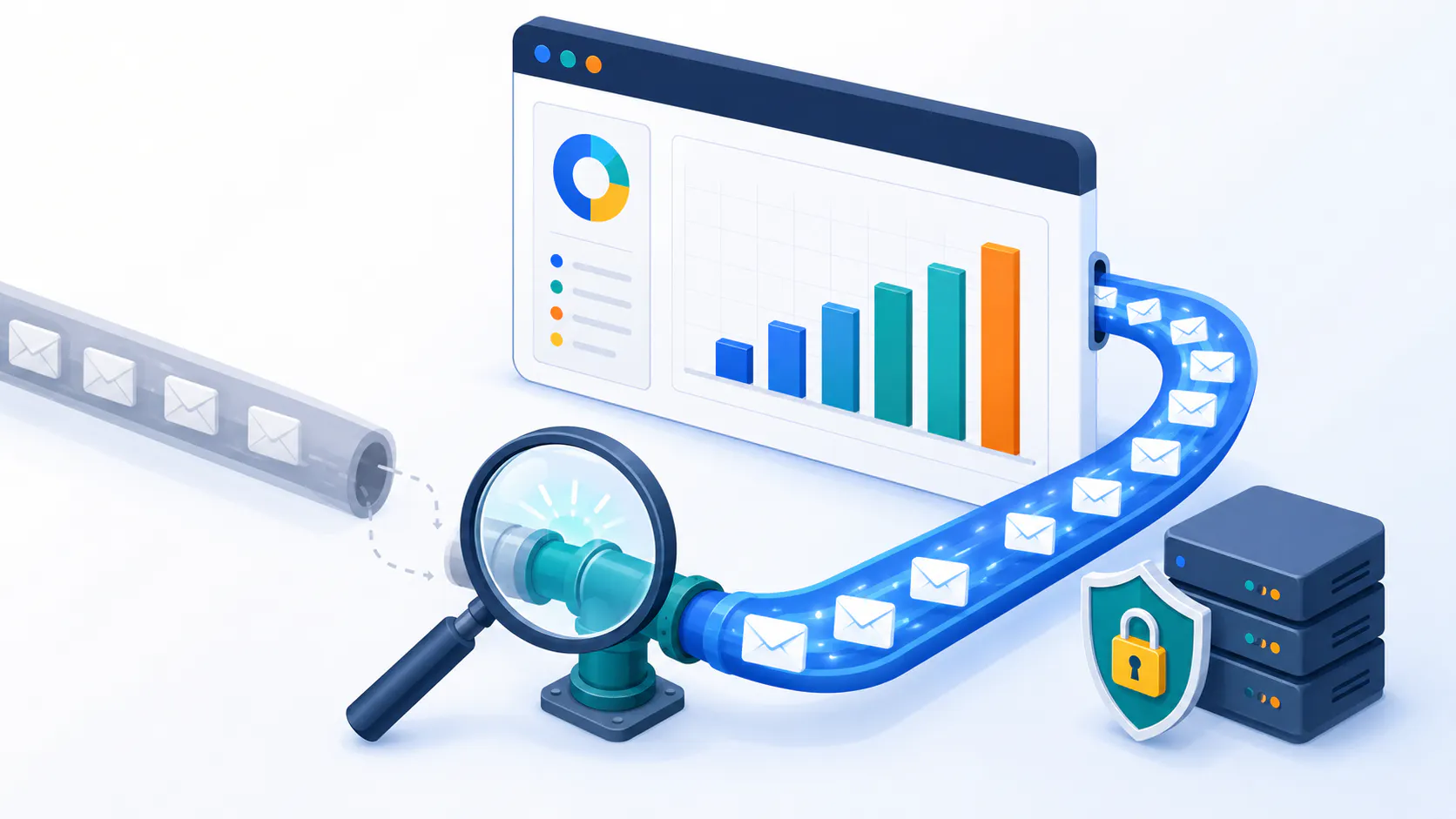
A visual representation of privacy in emails.
Email privacy is all about protecting your subscribers’ personal information. This includes things like their names, email addresses, phone numbers, and any other data you collect.
To be good email marketers, we need to be open and honest about:
What information we collect: Tell your subscribers exactly what data you’re gathering.
How we use it: Explain how you’ll use their data for email marketing.
How we keep it safe: Show them you’re taking data security seriously.
When you’re clear about these things, you build trust with your subscribers. They’ll feel confident that you’re handling their information responsibly. Plus, it’s the law!
The Big Privacy Laws: What You Need to Know
There are a few important laws that affect how we do email marketing. These laws help protect people from spam and make sure companies are honest about how they use data. Here’s a quick rundown:
GDPR (General Data Protection Regulation): This European Union law is a big deal! It says you need people’s permission before you can collect their data. It also gives people the right to see, change, or delete their data. The fines for breaking GDPR are HUGE, so it’s important to take it seriously.
CAN-SPAM Act: This US law focuses on commercial emails. You need to be upfront about who you are and what you’re selling. People also need a way to opt-out of your emails easily.
CCPA (California Consumer Privacy Act): This California law gives people more control over their personal information. They can ask to see what data you have about them, and they can even ask you to delete it.
Why does this matter? Because following these laws isn’t just about avoiding fines. It’s about building trust with your subscribers. When you’re open and honest about how you use their data, they’ll feel more comfortable doing business with you.
Getting Permission: The Right Way to Collect Emails
Want to send marketing emails? You need to get permission first! This is super important for following privacy laws and building trust with your audience.
Types of Consent
Explicit Consent: This is the best kind of consent. It means someone has clearly said “yes” to receiving your emails. Think checkboxes or signup forms where they actively agree.
Implied Consent: This is trickier. It’s when someone gives you their email, but they haven’t directly said they want marketing emails. For example, if they email you with a question. It’s best to stick to explicit consent whenever possible.
Double Opt-in: Extra Confirmation
Double opt-in is like a safety check. After someone signs up for your emails, you send them another email asking them to confirm. This helps make sure they really want to hear from you.
Why is double opt-in good? Implementing it leads to:
Higher quality email list: You’ll have fewer bounces and more engaged subscribers.
Happier subscribers: People are less likely to mark your emails as spam.
Stronger legal protection: You’ll have clear proof of consent.
Making Consent Forms User-Friendly
Clear checkboxes: Don’t pre-check boxes. Let people actively choose.
Easy-to-find privacy policy: Link directly to your privacy policy so people can see how you’ll use their data.
Specific choices: Give people options about what types of emails they want to receive.
Now where exactly should you ask for consent? You can ask for consent in lots of places, like:
Signup forms on your website
Checkout pages
Social media
Just remember to be clear and respectful!
Email Disclaimers: Protecting Your Business
Think of an email disclaimer like a safety net for your emails. It’s a short message at the end of your email that helps protect your business.
Why Use a Disclaimer?
Emails can be risky because they’re not always private. Information can leak out, and that can cause problems. A disclaimer helps you by:
Keeping things confidential: It reminds people that the email is only for the person it was sent to.
Protecting your business: It can help limit your legal responsibility if something goes wrong.
What Should a Disclaimer Include?
Confidentiality: Let people know the email is private.
No badmouthing: Remind employees to be respectful and avoid saying anything harmful.
Limited liability: Explain that your business might not be responsible for everything in the email. (It’s best to talk to a lawyer about this part!)
Keep it Simple!
Disclaimers should be easy to understand. Avoid using complicated legal words.
Privacy Notice vs. Disclaimer
Privacy Notice: Explains how you use personal data. It’s all about being open and honest with your subscribers.
Disclaimer: Focuses on protecting your business from legal issues.
Important Note: Disclaimers and privacy notices aren’t official contracts unless everyone signs something in writing.
By using clear disclaimers and privacy notices, you can build trust with your subscribers and protect your business.
Different Types of Disclaimers
Email disclaimers come in different flavors, each with its own purpose. Here are two common types:
1. Confidentiality Disclaimer
This type of disclaimer is like putting a “keep out” sign on your email. It tells people that the information is private and shouldn’t be shared with anyone else.
Who should use it? Businesses that handle sensitive information, like:
Banks and financial institutions
Healthcare providers
Law firms
Companies with confidential client data
Example:
“This email is confidential and intended only for the person it was sent to. If you’re not that person, please don’t read it, share it, or do anything else with it. Thanks!”
2. Liability Disclaimer
This disclaimer helps protect your business from legal trouble. It basically says that you’re not responsible if someone relies on the information in your email and something bad happens.
Who should use it? Businesses that give advice or guidance, like:
Consultants
Financial advisors
Coaches
Online educators
Example:
“The information in this email is for general knowledge only. It’s not official advice, and you shouldn’t make decisions based on it alone. We’re not responsible if anything goes wrong.”
Disclaimer Dos and Don’ts
Want your email disclaimers to really work? Here are some quick tips:
Do:
Keep it clear: Use simple language that everyone can understand. No legal mumbo jumbo!
Put it in the right place: Add your disclaimer at the end of your email, in the footer or signature.
Make it relevant: Use the right disclaimer for the right email.
Check the laws: It’s a good idea to have a lawyer look over your disclaimer, especially if you’re not sure what to include.
Stay updated: Laws and rules change, so make sure your disclaimer is always up-to-date.
Don’t:
Overwhelm with legalese: Confusing disclaimers won’t protect anyone.
Hide it: Make sure your disclaimer is easy to find.
Use the same one for everything: Different emails might need different disclaimers.
Forget about it: Review and update your disclaimers regularly.
By following these simple tips, you can make sure your email disclaimers are doing their job!
Making Unsubscribing Easy
Want happy subscribers? Make it easy for them to say “no thanks” to your emails.
Why Unsubscribes Matter
It’s the law: Many laws, like the CAN-SPAM Act, say you have to have a clear way for people to unsubscribe.
It’s respectful: People change their minds, and that’s okay. Make it easy for them to opt out.
It keeps your list clean: A smaller list of engaged subscribers is better than a huge list of people who don’t care.
How to Make Unsubscribing Easy
One-click unsubscribe: Don’t make people jump through hoops. A single click should be all it takes.
Clear unsubscribe link: Put it somewhere easy to find, like in the footer of your email.
Act fast: When someone unsubscribes, take them off your list right away (definitely within 10 business days, like the CAN-SPAM Act says).
Bonus Tip: You can even ask people why they’re unsubscribing. This can help you improve your emails and keep more subscribers happy!
Keeping Confidential Information in Emails Safe
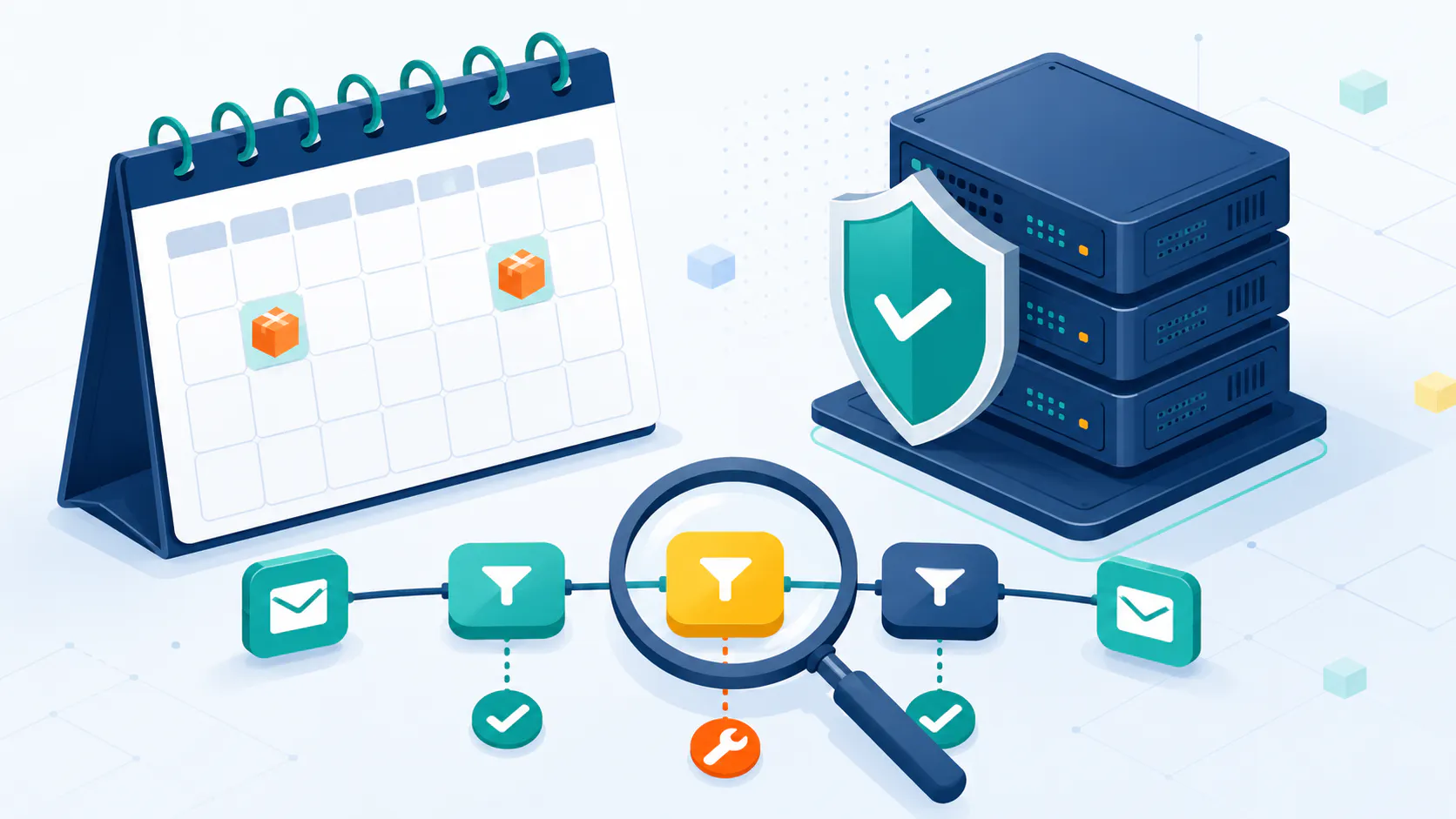
A secure email environment protecting confidential information.
Need to send confidential information by email? Here’s how to keep it under wraps:
Encrypt it: Encryption scrambles your email so only the person with the key can read it. It’s like sending a secret code!
Use strong passwords and multi-factor authentication: This makes it harder for hackers to get into your account.
DLP tools: These tools can help you monitor sensitive information and stop it from leaking out.
Labels: Use labels like “Confidential” or “For Internal Use Only” to remind people to be careful.
Even Better: Don’t Email It!
If you can, use a more secure way to share confidential information, like a file-sharing service or a project management tool.
Remember: Even with these precautions, email is never 100% secure. So, always think twice before sending sensitive information by email.
Heads Up! This Email is From Outside
Sometimes you get emails from people outside your company. These emails need a special disclaimer to keep everyone safe.
Why Use an External Email Disclaimer?
External emails can be risky because you don’t always know who sent them. They might contain viruses or try to trick you into giving away information. A disclaimer helps by:
Warning people: It lets them know the email is from outside the company, so they can be extra careful.
Protecting your company: It shows that you’re taking security seriously and trying to keep everyone safe.
Examples of External Email Disclaimers:
Here are a few examples you can use:
General: “This email came from outside our company. Be careful with links and attachments. If you don’t know the sender, it’s best not to click anything.”
Security-focused: “Warning! This email is from outside. Watch out for anything suspicious, and don’t forward it without permission.”
Data protection: “Heads up! This is an external email. Make sure you trust the sender before sharing any private information.”
Remember to:
Use clear language: Avoid jargon and make it easy for everyone to understand.
Customize it: Make sure your disclaimer fits your company and the types of emails you send.
By using clear and effective external email disclaimers, you can help protect your company and your employees from harm.
Educating Employees on Email Privacy
Employees being educated on email privacy practices.
Want to keep your company’s information safe and sound? Make sure everyone on your team knows how to handle emails the right way!
Good training helps employees understand why email privacy matters. It’s like teaching them the rules of the road for the digital world. When everyone’s on the same page, you create a culture where data protection is a top priority. This means fewer risks, fewer mistakes, and less chance of sensitive information falling into the wrong hands.
What to Cover in Your Training
Think of it like a crash course in email safety! Here are some key topics to include:
Email 101: The dos and don’ts of writing and sending emails, especially when it comes to sensitive information.
Spotting Sensitive Data: How to recognize information that needs extra protection (like customer details or financial records).
Disclaimers Decoded: Why those little messages at the end of emails are important, and how to use them correctly.
Phishing Phriends: How to identify those sneaky emails that try to trick you into giving away information.
Email Security Superstar: Tips and tricks for keeping email accounts secure, like strong passwords and being careful about what links you click.
Keep it Real and Engaging
No one likes boring lectures! Here’s how to make your training stick:
Real-World Examples: Use case studies or news stories to show what can happen when email privacy goes wrong.
Mix It Up: Use different teaching methods – presentations, group discussions, quizzes – to keep things interesting.
Tailor to Your Team: IT and legal teams might need more in-depth training than other departments.
By investing in employee education, you’re not just protecting data, you’re building a team of privacy pros!
Uh Oh! Dealing with a Data Breach
Even with the best security, data breaches can still happen. Here’s what to do if your email data gets leaked:
1. Stop the Bleeding
First things first, secure your systems and fix any weaknesses that caused the breach. Think of it like plugging a hole in a dam – you need to stop the flow of data before you can clean up the mess.
2. Call in the Experts
You’ll need a team of pros to help you manage the situation:
IT specialists: To figure out what went wrong and fix it.
Forensic experts: To investigate the breach and gather evidence.
Legal counsel: To advise you on legal obligations and potential liabilities.
Law enforcement: In some cases, you might need to involve the police.
3. Spread the Word (Carefully)
It’s important to be open and honest about the breach. Here’s how to communicate effectively:
Affected individuals: Let them know ASAP what happened and what information was leaked.
Employees: Keep your team informed about the situation and what steps are being taken.
Customers: If customer data was involved, let them know what happened and what you’re doing to protect them.
The public: Depending on the severity of the breach, you might need to issue a public statement.
4. Learn from Your Mistakes
After the dust settles, take some time to figure out what went wrong and how to prevent it from happening again. This might involve:
Improving your security measures: Stronger passwords, better encryption, etc.
Updating your policies: Reviewing your data privacy policies and procedures.
Training your employees: Making sure everyone knows how to handle data securely.
Data breaches are never fun, but with quick action and a clear plan, you can minimize the damage and protect your business.
Reviewing and Updating Privacy Practices Regularly
The ever-evolving landscape of privacy regulations and consumer expectations needs a proactive approach to data protection. Regularly reviewing and updating your privacy practices helps you:
Stay compliant: Adapt to changing laws and regulations.
Enhance security: Implement the latest security measures to protect sensitive data.
Maintain trust: Demonstrate your commitment to transparency and responsible data handling.
Protect your brand: Avoid costly legal penalties and reputational damage.
By prioritizing privacy and ethical practices, you can build stronger relationships with your audience, enhance your brand reputation, and achieve long-term success in your email marketing efforts.
Doing the Right Thing: Ethical Email Marketing
Privacy isn’t just about following the rules; it’s about doing what’s right. When you put your subscribers first, everyone wins!
Ethical email marketing means being respectful of your audience and their data. It’s about building trust and long-term relationships, not just chasing quick wins.
Here’s how to make ethical choices in your email marketing:
Be upfront about data: Tell people what information you collect and how you use it. No surprises!
Respect their choices: Make it easy for people to opt in or out of your emails. Honor their preferences.
Keep data safe: Protect their information like it’s your own.
Don’t be sneaky: Avoid misleading subject lines or hidden unsubscribe links.
Be mindful of your audience: Consider their needs and preferences when sending emails.
When you do email marketing the ethical way, you build a loyal following of people who trust and respect your brand. That’s good for business and good for your conscience!
Email Marketing: The Privacy-First Way
Want to create email campaigns that respect your subscribers’ privacy? Here’s the secret: think privacy first!
This means building privacy into every step of your email marketing, from how you collect data to how you store and use it. Always use clear opt-in forms and respect people’s choices when collecting email addresses. Be open about what information you collect and how you use it. Make it easy for people to unsubscribe if they want to.
When collecting data, only gather what you really need for your email campaigns. To keep that data safe, use secure email platforms with encryption and other privacy features, like Octeth or Sendloop. And of course, always stay updated on the latest privacy laws and best practices.
By following these tips, you can create email campaigns that are both effective and respectful of your subscribers’ privacy.
Looking for more email marketing best practices and strategies? Check out our articles on this topic here.
Wrapping Up: Email Privacy Done Right
To wrap things up, remember that respecting your subscribers’ privacy is key to building trust and long-lasting relationships. By understanding the rules, getting proper consent, and being open about how you use data, you can create email campaigns that are both effective and ethical.
Don’t forget to review and update your privacy practices regularly to stay on top of any changes in the law. And most importantly, always put your subscribers’ privacy first. It’s the right thing to do, and it’s good for business!
Let’s all commit to ethical email marketing and build a digital world where everyone’s privacy is respected.
FAQs
Why is email privacy important in marketing? Email privacy is important in marketing because it protects personal data, transparency and consumer trust. By doing so it will build brand reputation and customer loyalty. Which privacy laws apply to email campaigns? The privacy laws that apply to email campaigns are GDPR, CAN-SPAM Act and CCPA which require explicit consent, transparency and an easy opt out for the recipient. Compliance with these regulations is key to trust and avoiding legal issues. How do marketers get consent for email campaigns? Marketers should use opt in and double opt in to ensure users actively opt in and confirm consent through follow up communications. This will build trust and compliance. How do I write email disclaimer? To write good email disclaimer make sure they are clear, concise and free of legal speak, set out confidentiality expectations and provide clear instructions on what to do with the email and its attachments. This will help communication and compliance. Why is it important to regularly review and update privacy practices? Regularly reviewing and updating privacy practices is crucial for compliance with changing regulations and proper security measures, enhancing transparency, and maintaining consumer trust. Neglecting this can lead to legal consequences and harm your business’s reputation.