
Are your email campaigns underperforming? This guide provides a step-by-step approach to creating effective emails that resonate with your audience and achieve your marketing goals. Learn how to optimize every element of your email, from the subject line to the call to action.
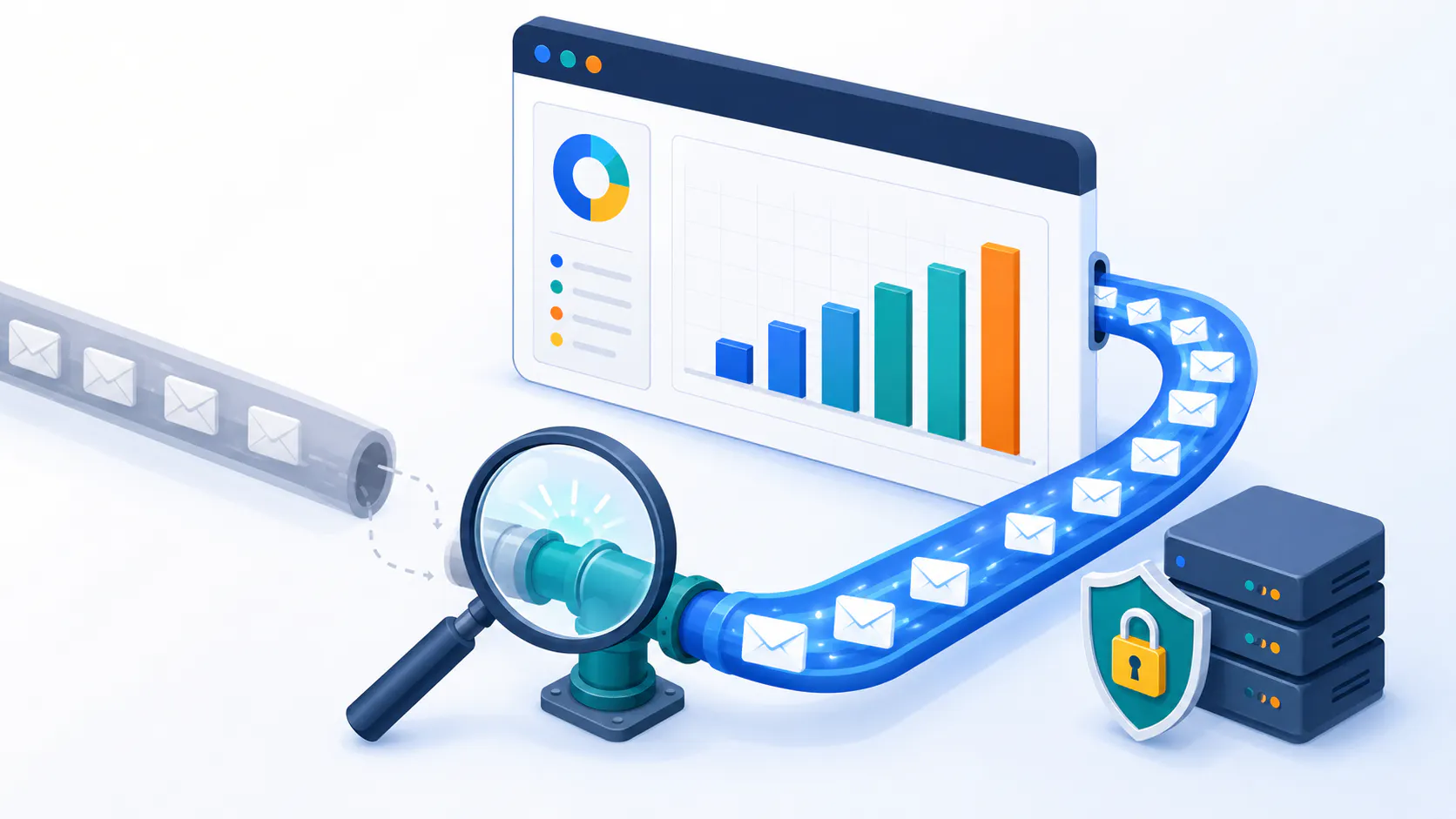
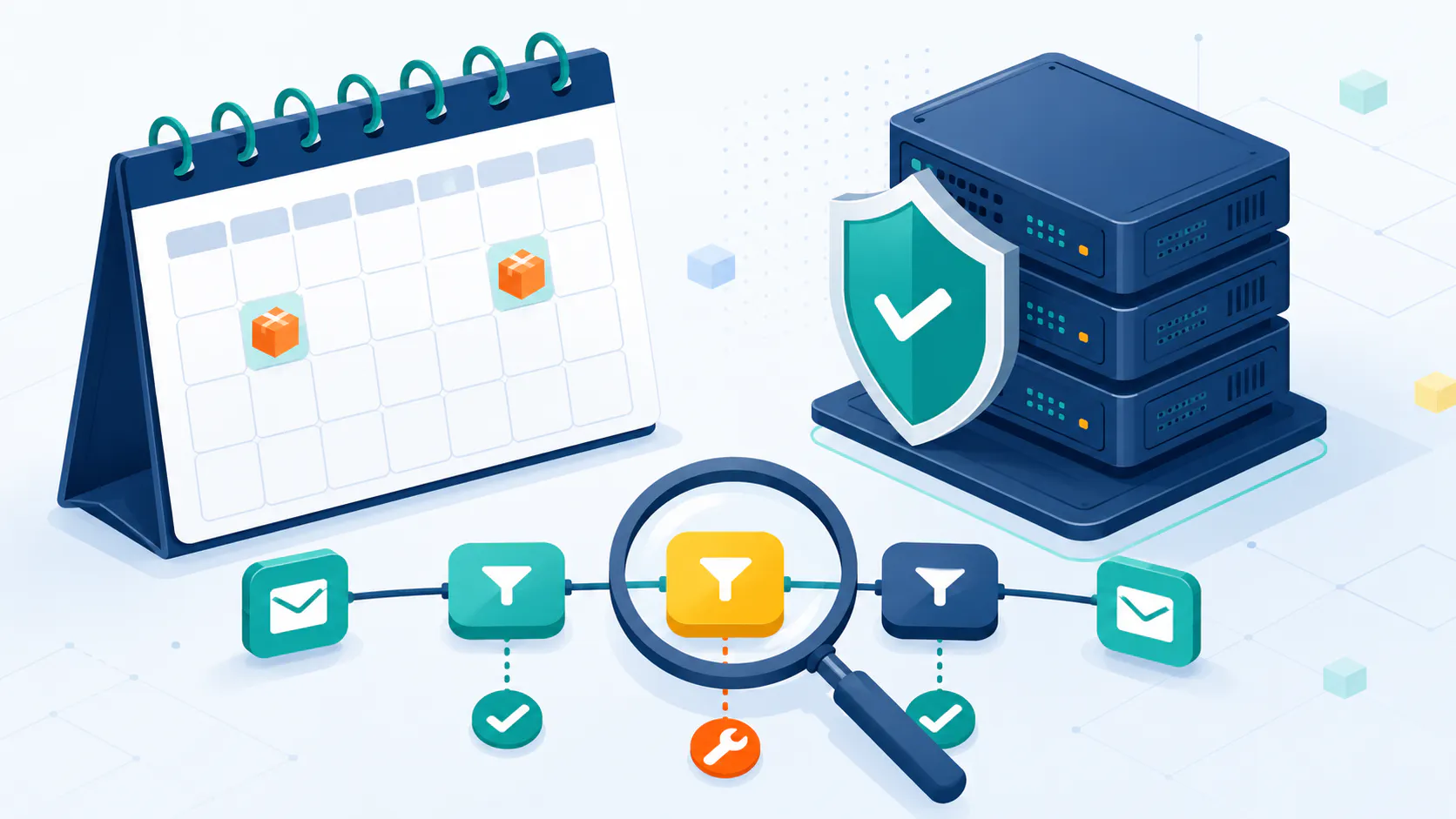
Illustration of the elements of highly converting email campaigns.
The Invite: Crafting an Irresistible Subject Line
Just like “Open Sesame!” revealed the hidden treasure cave in Ali Baba’s story, your email’s ‘magic phrase’ is its subject line. It has the power to ignite your reader’s curiosity and draw them into the captivating world you’ve crafted within the email.
Here’s the secret: Keep your subject line short and crystal clear. Skip the complex words, so readers instantly grasp what your email is all about, and use exciting words like “discover” or “learn” to grab their attention. Creating a sense of urgency with phrases like “Limited time” or “Hurry up!” can also work wonders.
And for that personal touch, consider addressing the recipient by their name or mentioning something they’re interested in. This can be done by using the dynamic content.
And don’t forget, it’s crucial to be mindful of using what we call “spam words” in your email marketing. Spam words are specific words or phrases that, when included in your emails, can set off email filters, causing your messages to be automatically routed to recipients’ spam folders.Some common examples of these spam words include “free,” “guarantee,” and “buy now.” Using these words excessively or in a way that appears overly promotional can raise a red flag for email providers, potentially harming your email deliverability. Moreover, an excessive use of exclamation marks (e.g., “Buy now!!!”) can also be seen as spammy and should be used sparingly to avoid filters.
By steering clear of these spam words and carefully crafting your emails, you can increase the chances of your messages reaching your recipients’ and avoid getting marked as spam. This is essential for ensuring that your email marketing efforts are effective and that your messages are seen by the intended audience.
Email Subject Line Do’s and Don’ts
Do ThisDon’t Do ThisKeep your subject line short.Use too many exclamation points!!!Use exciting words like “discover” or “learn.”Use words like “free” or “guarantee” too much.Create a sense of urgency (e.g., “Limited time”).Make your subject line too long.Use dynamic content to personalize.Forget to check for spammy words.Include numbers (e.g., “5 Tips…”).Use misleading subject lines.Ask a question to pique interest.Use all caps or excessive punctuation.Test different subject lines to see what works best.
For more on email subject lines, continue reading here: Boost Opens with the Best Email Subject Lines: Proven Strategies & Examples
The Heart: Composing Engaging Content
Think of subject lines as the inviting doors to your email campaigns, while your content is the heart that forges a connection. Once you’ve enticed people to open your emails, the content inside is what maintains their interest.
Here’s how you can make it happen:
Understand your audience: Consider who’s reading your emails and what matters to them. Use this knowledge to create content that resonates with their interests.
Share a story: People connect better with stories than plain information. Include real-life anecdotes, customer testimonials, or fascinating facts to make your email more engaging.
Keep it straightforward: Break down complex information into smaller, easily digestible bits. You can use bullet points, catchy headlines, or helpful infographics to achieve this.
Add Calls to Action (CTA): The CTA is your way of guiding readers on what to do next after reading your email. Make it crystal clear and compelling, so they’re motivated to click on it.
By following these tips, you’ll not only get people to open your emails but also keep them interested and engaged. It also always helps to provide value to your subscribers, you can learn how to do it here: What is Attraction Marketing & How to Master It
The Appeal: Designing Eye-catching Visuals
Now, let’s discuss how your email should appear. A well-designed email grabs people’s attention and makes your message stand out.
To begin, it’s important to ensure that your email is responsive. This means that it will look good on any device people use, whether it’s a computer, phone, or tablet.
Visual elements are also helpful. Adding pictures, infographics, or videos can make your email more interesting and memorable. Just be sure to keep it clean and uncluttered.
To avoid a messy appearance, use white space wisely. This means giving some breathing room around your content. Additionally, choose fonts and colors that are easy to read and match your brand’s style.
By the way, did you know that you can create eye-catching emails with Stripo? It’s a drag-and-drop and HTML email builder with pre-built templates that can be seamlessly integrated with your Octeth. This can make your email marketing even more effective and appealing to your audience.
The Connection: Harnessing the Power of Personalization
We all love that special feeling, right? Well, you can give your email recipients that same special treatment with personalized emails. However, doing this manually for a large group of people can be quite time-consuming.
But don’t worry! Tools like Octeth are here to make your life easier.Here’s how it works: You start by adding special tags to your email content. These tags are like placeholders for each recipient’s information.
Now, the key to making this work is having the right subscriber information on hand. To do this, make sure you’ve set up custom fields in your subscriber lists. These fields will hold the personalized data for each recipient. When you’re first setting up your email campaign, simply import your subscribers’ data into these custom fields.
With your subscribers’ data ready to go, you’re all set to launch your campaign. Craft your email, add those special tags for personalization, and let Octeth take care of the rest. It’s that simple.
If you’d like more detailed instructions on personalizing your emails, feel free to explore the “Personalizing your emails” documentation for a step-by-step guide.
The Strategy: Leveraging A/B Testing
Enhancing your emails is a journey that never truly ends. It’s like a never-ending quest for the perfect recipe. And just like a chef who tweaks their dishes to perfection, email marketers need to continuously refine their strategies.
What is A/B Testing?
A/B testing, also known as split testing, involves creating two versions of your email with a single element changed (e.g., the subject line, a call to action button, or the layout). You then send each version to a portion of your audience and analyze the results to determine which version performed better.Key Elements to Test:
Send Time: Test sending emails at different times of day and days of the week to determine when your audience is most engaged.
Subject Lines: Test different wording, lengths, personalization, and the use of emojis to see what drives the highest open rates.
Sender Name: Experiment with different sender names (e.g., “Your Brand” vs. “John from Your Brand”) to see which resonates better with your audience.
Email Content: Test different writing styles, content lengths, calls to action, and the use of visuals (images, GIFs) to see what drives the most engagement.
Call to Action (CTA): Test different CTA button colors, text, and placement within the email.
Email Layout: Experiment with different layouts, such as single-column vs. multi-column, to see what impacts click-through rates.
The Timing Game: Email delivery timing is crucial
The timing of your email sends can significantly impact your open and click-through rates. Your audience’s engagement patterns may vary depending on their demographics, location, and habits. A/B test different send times to identify the optimal window for maximizing engagement.
Analyzing Results:
After your A/B test has run, analyze the results to determine which version performed better based on your chosen metrics (e.g., open rates, click-through rates, conversions). Use this data to inform future email campaigns and continuously optimize your approach.
Track the Right KPI:
In the realm of email campaigns, driving conversions is often the ultimate objective. This means getting recipients to take a specific action, such as making a purchase, signing up for a webinar, or downloading a resource. While responses and clicks are valuable, conversions truly measure your email’s success.
Key Metrics for Conversions:
Conversion Rate: The number of people who completed the desired action divided by the number of emails delivered.
Click-to-Conversion Rate: The number of conversions divided by the number of clicks, assessing landing page effectiveness.
Other Important Metrics:
Response Rate: Useful if your goal is to get replies to your email. Calculated as replies divided by opens.
Click-Through Rate (CTR): Important for driving website traffic. Calculated as clicks divided by opens.
By tracking these KPIs and analyzing the data, you can gain valuable insights into your audience’s behavior and preferences. This knowledge can then be used to refine your email strategy and improve future campaigns. For example, if you notice a low conversion rate, you might experiment with different calls to action or landing page designs. If your open rate is low, you might test different subject lines or sender names.
Ultimately, the key to successful email marketing is to focus on the metrics that matter most to your business goals and use data-driven insights to continuously optimize your campaigns.
Conclusion
Creating a compelling email is much like crafting a sumptuous meal. You need the right ingredients, good preparation, and a perfectly timed presentation to make a lasting impression. With patience and practice, anyone can master the art of creating email campaigns that not only engage but truly captivate the audience. So, embrace the journey, keep testing, and savor the delicious progress as you go.
Frequently Asked Questions
How to write effective email subject lines that get opened? Keep subject lines concise (under 50 characters), highlight the value proposition clearly, and create urgency when appropriate. Personalize strategically, ask engaging questions, and use numbers. Avoid spam trigger words and excessive exclamation points. A/B test different options to see what works best. How to improve email open rates for my campaigns? Optimize subject lines, send emails at the optimal time, and segment your email list for relevance. Ensure your sender name and email address are recognizable and trustworthy. Clean your email list regularly to remove inactive subscribers. What are some common mistakes to avoid when writing email subject lines? Avoid misleading subject lines, all caps, excessive punctuation, spammy words (“free,” “guarantee,” “click here”), and generic personalization. Best practices for email marketing content that drives engagement? Understand your audience, use storytelling, keep content concise and easy to read with bullet points and visuals, and include a clear call to action (CTA). Tips for designing responsive emails that look good on all devices? Use a mobile-first approach, single-column layouts, a maximum width of 600 pixels, large font sizes, and clear CTAs. Test your emails on various devices and email clients. A/B testing strategies for email marketing: What should I test? Test different elements like subject lines, sender names, email content, CTAs, visuals, and send times. Test one element at a time and use a statistically significant sample size.