
Looking to optimize your marketing campaigns? CRM email marketing software uses customer data from CRM software to create targeted, personalized emails, enhancing customer engagement. Find out the top choices to boost engagement and drive business growth.
Key Takeaways
CRM email marketing software combines customer management with email marketing to create personalized campaigns using customer data and automation.
Key features include marketing automation, advanced analytics, and integration with other business tools for improved efficiency.
When choosing the right software, consider business needs, features, pricing, and user experience. Top options for 2025 include Octeth, Sendloop, ActiveCampaign, Zoho CRM, and Brevo.
Understanding CRM Email Marketing Software
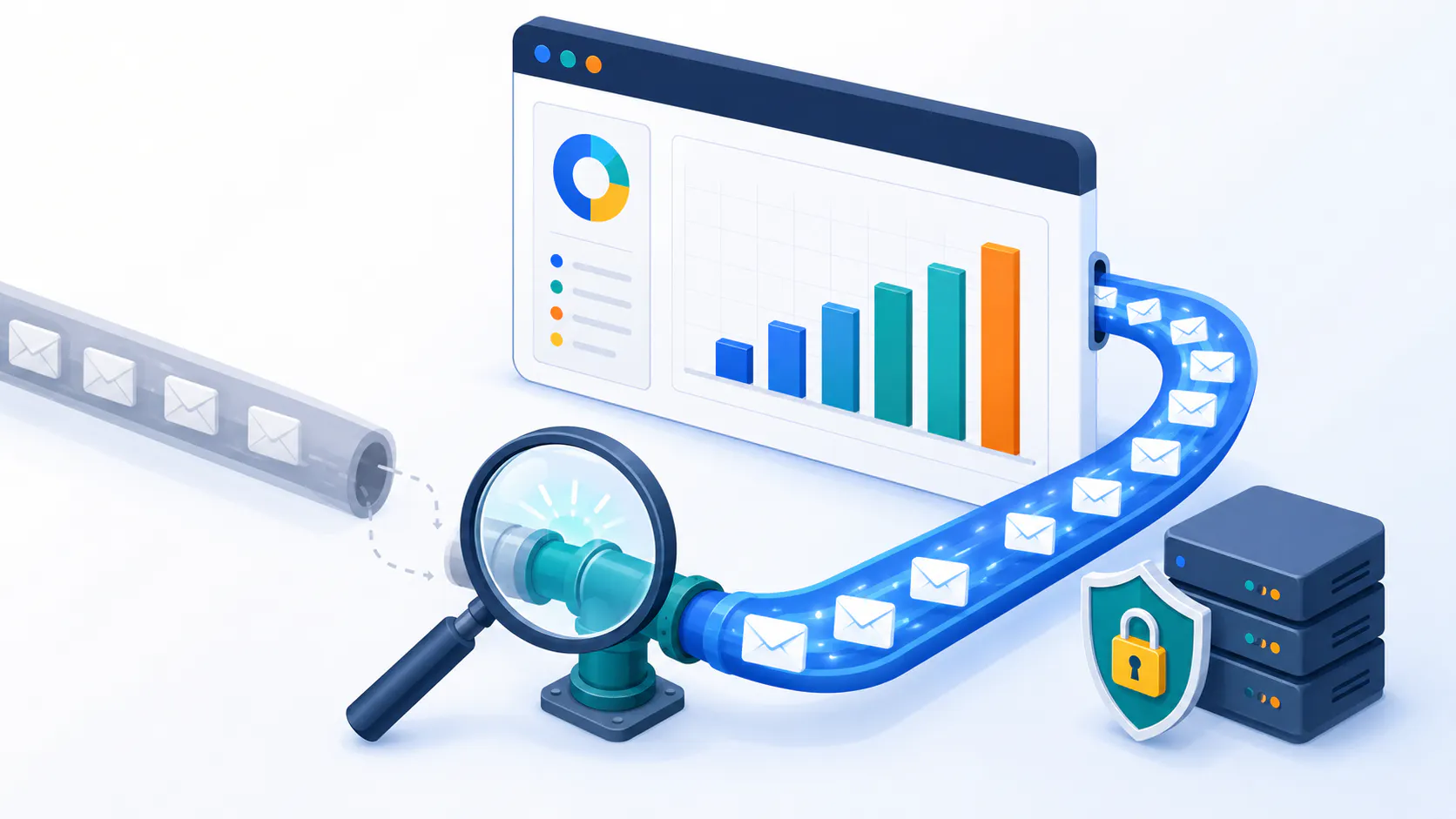
Illustration of CRM Software
An email marketing CRM software is a powerful fusion of customer relationships management and email marketing technologies, designed to streamline communication and enhance the effectiveness of marketing campaigns. At its core, this integrated approach creates a centralized hub for all customer interactions, allowing businesses to:
Leverage comprehensive customer data from the CRM software for more targeted and personalized email marketing effortsTrack and analyze customer behavior and engagementAutomate email marketing campaigns and workflowsSegment and target specific CRM software customer groupsMeasure and optimize campaign performanceUtilize customer segmentation as a key feature
By utilizing email marketing software integrated with CRM software, businesses can improve their email marketing strategies and achieve better results.
The fusion of these two vital business tools allows companies to efficiently nurture prospects, convert leads into sales, and enhance customer relationships.
The beauty of CRM with email marketing lies in its ability to:
Harness the wealth of customer data stored within CRM softwareCraft highly tailored email campaignsCustomize and automate marketing processesResult in more relevant and engaging communications
For example, insights from CRM software about a customer’s past purchase history, browsing behavior, and preferences can inform the creation of personalized email content that aligns with each recipient’s interests. This level of customization not only improves the chances of engagement but also significantly enhances the overall customer experience, leading to increased loyalty and sales from your email marketing efforts.
You can check out the popular CRM software by clicking here.
Key Features of CRM Email Marketing Tools
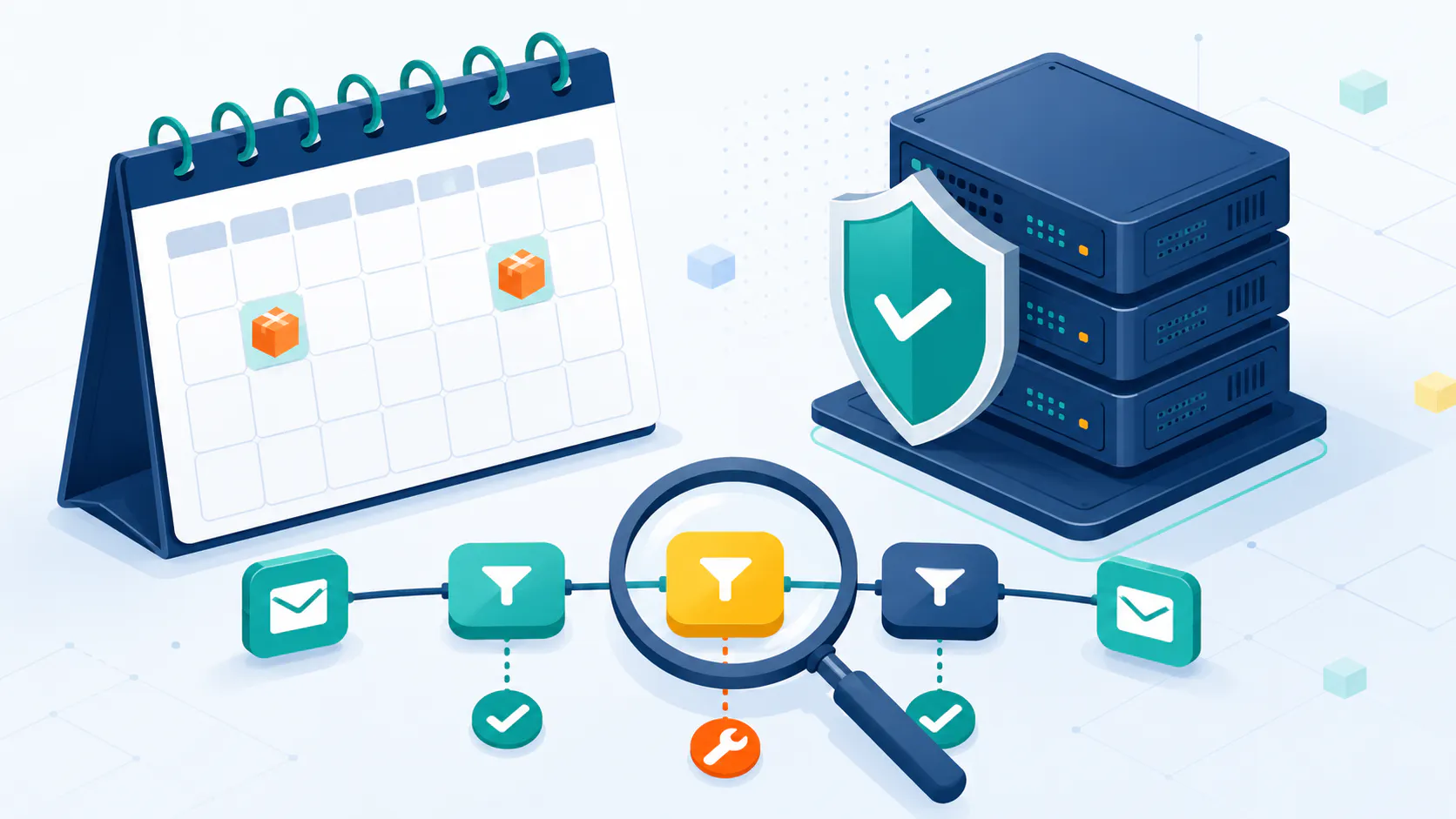
Illustration of Key Features of CRM Email Marketing Tools
Understanding the key features of CRM email marketing tools is vital when evaluating their potential impact on your marketing efforts. The most effective platforms combine robust contact management capabilities of CRM software with advanced marketing automation features. And provides a comprehensive solution for businesses of all sizes. Essential features to look for include lead tracking and sales pipeline management. Also customization options that allow you to adapt the system to your unique business processes. Additionally, these tools offer valuable customer insights, helping you tailor your marketing strategies more effectively.
The capacity to send bulk emails, establish automated workflows, and access comprehensive analytics is essential. Let’s examine three crucial features that can notably influence your marketing success:
Email Marketing Automation Capabilities
Marketing automation is at the heart of the effective fusion of CRM software with email marketing software. It enables businesses to streamline their processes and deliver timely, relevant communications to their audience. By choosing to automate, marketers can send timed or action-triggered emails without manual intervention, allowing them to:
Create sophisticated, personalized customer journeys at scale
Nurture leads
Onboard new customers
Re-engage dormant contacts
This capability is a game-changer for businesses looking to achieve these goals with minimal hands-on effort. Interested in learning how to set up an email marketing journey in Octeth? Check out this article: Master Your Email Marketing Journey: Step-by-Step Strategies for Success.
One of the most powerful email marketing automation features in CRM is the ability to create drip campaigns. These are a series of pre-written emails. These are sent based on specific timelines or user actions, guiding recipients through a carefully crafted journey. For example, a software company might set up a drip campaign that introduces new users to different features of their product over several weeks, gradually increasing engagement and adoption. Drip campaigns can be easily set up using CRM email marketing software. This allows you to nurture leads over time, ensuring consistent and relevant communication.
Another crucial email marketing automation feature is lead scoring. Which helps prioritize leads based on their engagement and likelihood to convert. By automatically assigning points to leads based on their interactions with your emails and website, you can ensure that your sales team focuses their efforts on the most promising prospects, maximizing efficiency and conversion rates.
Analytics and Reporting
In the data-driven world of email marketing, analytics and reporting capabilities are essential. It’s the key to making informed decisions and continuously improving your email marketing strategies and boosting your email marketing campaigns. Email marketing CRM platforms provide invaluable insights into the performance of email marketing campaigns, customer behavior, and overall marketing effectiveness. These analytics tools allow marketers to track key metrics such as:
Email marketing campaign open rates
Email marketing campaign click-through rates
Email marketing campaign conversion rates
Revenue generated from email campaigns
Additionally, conversion tracking is a key feature of CRM email marketing analytics and reporting tools. It provides detailed insights into how email campaigns drive customer actions and sales.
This provides a clear picture of what’s working in email marketing and what needs improvement.
One of the key advantages of CRM with email marketing is the ability to gain deeper insights into customer behavior. By tracking which emails are opened and which links are clicked, marketers can:
Build a comprehensive understanding of their email marketing audience’s preferences and interests
Refine email marketing segmentation strategies
Personalize content email marketing campaigns
Optimize future email marketing campaigns for better results
This information can greatly enhance the effectiveness of your email marketing campaigns.
Moreover, advanced CRM email marketing platforms offer features like:
A/B testing of your email marketing campaigns
Analytical tools, which help businesses track and measure the success of their email marketing campaigns
Testing capabilities, which enable businesses to continuously refine their email marketing campaigns
Higher engagement and better ROI
By leveraging these email marketing features and capabilities, businesses can improve their email marketing strategies and achieve better results.
Integration with Other Platforms
The ability of your email marketing software to integrate seamlessly with other business tools and platforms is crucial. Integrated CRM ensures that customer data and email marketing channels work together. Allowing personalized communication and effective segmentation across all touchpoints. This integration capability extends beyond just email marketing. It encompasses a wide range of business applications such as e-commerce platforms, social media management tools, and CRM software.
The power of integration lies in its ability to:
Create a unified view of the customer across all interactions and channels
Use an email marketing platform that integrates with your CRM system to create a centralized storage hub for customer data
Make customer data accessible by different teams within your organization
Ensure data consistency
Reveal patterns and key findings about your customers that might otherwise go unnoticed
For instance, automatic synchronization between your CRM and email tool ensures that all email interactions are instantly reflected in CRM records. So your customer data is and fresh and up-to-date. This real-time data flow enables your teams to respond quickly to customer needs and preferences. This means a more responsive and personalized customer experience.
Additionally, data synchronization between CRM and email tools ensures up-to-date customer information. This is essential for accurate targeting and effective communication.
Benefits of Using CRM Email Marketing Software
Illustration of Benefits of Using CRM Email Marketing Software
The adoption of CRM with email marketing brings many of benefits that can significantly enhance your marketing efforts and drive business growth. By combining the power of customer relationship management with targeted email marketing, you can:
Create personalized email marketing communications that nurture new and existing customer relationships more effectively than ever before
Improve the relevance and timing of your email marketing messages
Provide a wealth of data-driven insights that can inform your overall marketing strategy
Foster customer loyalty through personalized and engaging campaigns
This integrated approach can revolutionize your email marketing efforts and help you achieve your business goals.
Let’s explore the key advantages that make CRM with email marketing indispensable.
Enhanced Personalization
One of the key benefits of CRM email marketing is its ability to deliver highly personalized content. CRM solutions collect and store detailed client information, allowing for efficient targeted email marketing campaigns that resonate with individual recipients. This level of personalization goes far beyond simply addressing customers by name. It involves tailoring the entire email content to match the recipient’s preferences, behaviors, and stages in the customer journey. By using behavioral data, you can create highly personalized email campaigns. Campaigns that cater to the specific actions and interests of each recipient. Some key benefits of CRM with email marketing include:
Increased email marketing campaign engagement and response rates
Improved customer satisfaction and loyalty
Higher conversion rates and sales from your email marketing campaigns
Enhanced brand reputation and credibility
The power of personalization in CRM with email marketing lies in its ability to create relevant and engaging experiences. You can use data such as purchase history, browsing behavior, and past interactions. And craft email campaigns that speak directly to the individual needs and interests of each recipient. This approach to content creation leads to higher open rates, increased conversions, and improved user satisfaction.
Improved Customer Segmentation
Effective customer segmentation is a cornerstone of successful email marketing, and CRM with email marketing software takes this capability to new heights. By centralizing client data within the CRM, businesses can segment their customer base with unprecedented precision and efficiency. This advanced segmentation allows for the creation of highly targeted email marketing campaigns that speak directly to the specific needs, preferences, and behaviors of different customer groups. Demographic data is a key factor in effective customer segmentation, enabling businesses to tailor their messages more accurately. Some benefits of using CRM with email marketing software for customer segmentation include:
Increased open and click-through rates
Improved customer engagement and satisfaction
Higher conversion rates
Reduced email fatigue and unsubscribes
With CRM email marketing software, businesses can take their email marketing efforts to the next level and achieve better results.
The beauty of CRM-powered segmentation lies in its versatility and depth. Businesses can segment their email marketing audience based on a wide range of criteria, including:
demographic information
purchase history
engagement levels
predictive behaviors
This granular approach to segmentation enables marketers to create hyper-targeted campaigns that resonate with each segment’s unique characteristics.
For instance, a travel company might use CRM data to segment customers based on their preferred destinations, travel frequency, and budget, allowing them to send tailored offers and content that align perfectly with each group’s interests. By delivering more relevant content to each segment, businesses can significantly improve email engagement rates, increase conversions, and ultimately drive better ROI from their email marketing efforts.
Increased Efficiency and Productivity
CRM with email marketing software is a powerful tool for boosting efficiency and productivity within your marketing and sales teams. By integrating CRM with email marketing capabilities, businesses can automate a wide range of repetitive tasks, freeing up valuable time and resources. This email marketing automation extends to various aspects of the email marketing process, including:
Data entry
List management
Campaign execution
Follow-up communications
One of the key efficiency gains comes from the automation of routine email marketing tasks. For example, CRM email marketing systems can automatically send out invoicing and shipping confirmations, welcome emails to new subscribers, and follow-up messages based on specific customer actions or time intervals. Advanced workflow automation can even handle more complex tasks. Such as directing new customer inquiries to the appropriate sales representative. Or triggering personalized nurture campaigns based on a lead’s behavior.
By centralizing email communication within the CRM, teams can work more efficiently. No need for constant platform switching and smaller risk of errors. This streamlined approach not only saves time but also ensures a more consistent and cohesive customer experience across all touchpoints.
Top CRM Email Marketing Software Options in 2025
Illustration of Top CRM Options
As we navigate through 2025, the landscape of CRM with email marketing software continues to evolve, offering businesses a wide array of powerful tools to enhance their email marketing efforts. While there are numerous options available, five platforms stand out for their robust features, user-friendly interfaces, and ability to cater to diverse business needs. This section will discuss:
Octeth
Sendloop
ActiveCampaign
Zoho CRM
Brevo
Each platform brings unique strengths to the table, making them top contenders in the CRM email marketing arena. For instance, Octeth is known for its multichannel marketing capabilities, allowing businesses to engage customers across various platforms seamlessly.
Whether you’re a small business looking for an affordable solution or a large enterprise seeking comprehensive features, understanding these top options will help you make an informed decision that aligns with your specific marketing goals and objectives.
Octeth
Octeth has emerged as a formidable player in the CRM email marketing arena, offering a comprehensive suite of tools that cater to businesses of all sizes. Known for its powerful CRM and email marketing features, Octeth stands out for its seamless integration capabilities with popular CRM solutions. This flexibility allows businesses to leverage their existing CRM data while taking advantage of Octeth’s advanced marketing functionalities.
One of Octeth’s key strengths lies in its in-depth analytics and reporting capabilities, providing marketers with valuable insights to track and optimize their campaigns across various marketing channels and customer segments.Additionally, Octeth features robust customer analytics, enabling businesses to gain deeper understanding of their customer behaviors and preferences.
With a one-time license fee starting at $3,529, Octeth offers a cost-effective long-term solution for businesses looking to invest in a robust CRM email marketing platform. This pricing model, coupled with a 60-day money-back guarantee, makes Octeth an attractive option for companies seeking a powerful, yet financially prudent, email marketing solution.Discover more about Octeth’s innovative features to engage and captivate your subscribers – click here to learn more!
Sendloop
Sendloop is an intuitive and powerful email marketing platform that seamlessly integrates CRM software functionalities, making it ideal for businesses of all sizes. It features a user-friendly drag-and-drop email builder, advanced segmentation options, and robust automation tools for creating trigger-based campaigns. With its CRM integration, businesses can manage customer relationships, track interactions, and segment audiences more effectively.
Sendloop’s pricing is flexible, starting at $9.00 per month for a 500-subscriber plan and scaling up to $2,350.00 per month for a 500,000-subscriber plan. This tiered pricing structure ensures that businesses can find a plan that fits their budget and needs.
Additionally, Sendloop offers comprehensive analytics and reporting, enabling businesses to optimize their email marketing strategies and achieve measurable results efficiently.
ActiveCampaign
ActiveCampaign has established itself as a go-to email marketing solution for businesses seeking advanced marketing automation capabilities within their CRM email marketing strategy. Particularly well-suited for organizations with substantial email marketing budgets and complex email marketing automation needs, ActiveCampaign offers a rich set of features that enable sophisticated marketing strategies. The platform excels in providing multichannel marketing workflows, allowing businesses to create intricate email marketing automation sequences that span across various customer touchpoints. Its visual email marketing automation campaign builder is particularly noteworthy, offering an intuitive interface for designing complex, conditional content personalization strategies.
Beyond email marketing, ActiveCampaign also incorporates robust CRM functionalities, enabling users to manage deals, assign them to team members, and visualize deal progress through customizable pipelines. With integration capabilities extending to over 870 apps, ActiveCampaign provides unparalleled flexibility in connecting with existing business tools and workflows, making it an ideal choice for businesses looking to create a truly interconnected marketing ecosystem.
Zoho CRM
Zoho CRM stands out as a comprehensive solution that seamlessly blends powerful CRM capabilities with robust email marketing features, making it an excellent choice for medium-sized businesses seeking an all-in-one platform. The software offers a wide range of critical email marketing functionalities, including:
Lead management
Workflow automation
Marketing automation
Lead nurturing emails
One of Zoho CRM’s strengths lies in its analytics and customer segmentation capabilities, allowing businesses to create highly targeted and personalized email campaigns. The marketing automation features of Zoho CRM are particularly noteworthy, enabling users to set up complex workflow rules and automate various aspects of their sales and marketing processes.
Zoho CRM’s pricing structure is designed to be cost-effective, with a free plan that includes basic contact and deal management, email campaigns, and workflow rules. For businesses requiring more advanced features, Zoho CRM paid plans start at €14 per month, offering expanded email capabilities and a 15-day free trial. This tiered approach makes Zoho CRM an attractive option for growing businesses that want to scale their email marketing efforts alongside their CRM usage.
Brevo
Brevo (formerly Sendinblue) has positioned itself as an excellent choice for small businesses and startups looking for a cost-effective yet powerful CRM email marketing solution. Designed with budget-conscious organizations in mind, Brevo offers a compelling mix of essential CRM and email marketing features at an affordable price point.
The platform’s email marketing capabilities include advanced contact segmentation, allowing businesses to create highly targeted lists based on various criteria. Brevo also excels in email marketing automation, enabling users to set up personalized workflows that respond to specific customer actions or timelines.
One of Brevo’s standout features is its generous free plan, which includes basic CRM functionalities and allows users to send up to 300 emails per day to an unlimited number of contacts. This makes it an ideal starting point for small businesses or those just beginning to explore the power of CRM email marketing.
For growing businesses needing more advanced features, Brevo offers paid plans starting at affordable rates, which include additional CRM tools and expanded email marketing capabilities. The platform’s user-friendly interface and scalable nature make it an excellent choice for businesses looking to grow their email marketing efforts alongside their overall business expansion.
How to Choose the Right CRM Email Marketing Software
Illustration of Choosing the Right CRM Email Marketing Software
Selecting the right CRM email marketing software is a crucial decision that can significantly impact your business’s marketing success. With a myriad of options available, each offering unique features and capabilities, it’s essential to approach the selection process methodically. The key to making the right choice lies in thoroughly assessing your business needs, comparing the features and pricing of different platforms, and considering the user experience each solution offers. By carefully evaluating these factors, you can ensure that the CRM email marketing software you choose not only meets your current requirements but also has the scalability to support your business as it grows.
We’ll break down each of these aspects to navigate you through the decision-making process and assist in finding the best solution for your organization.
Assess Your Business Needs
The first and most crucial step in choosing the right CRM software is to conduct a thorough assessment of your business needs. This evaluation should take into account various factors, including the size of your organization, your industry-specific requirements, and the particular functionalities that are essential for your marketing strategies. Start by identifying the scale of your operations – are you a small startup, a growing mid-sized company, or a large enterprise? The size of your business will significantly influence the type of features you need and the level of complexity you can effectively manage.
Next, delve deeper into the specific functionalities that are critical for your marketing efforts. Consider aspects such as lead management capabilities, the level of ales or marketing automation you require, and the complexity of your marketing campaign management needs. For instance, if you’re in an industry with long sales cycles, you might prioritize advanced lead nurturing and scoring features. Evaluate the complexity of your current sales and marketing processes – do you need a system that can handle intricate workflows, or would a simpler solution suffice?
Additionally, consider the importance of mobile accessibility. If your team frequently works remotely or needs to access the system on-the-go, prioritize CRM solutions that offer robust mobile applications or web-based access. By thoroughly assessing these aspects of your business needs, you’ll be better equipped to identify a CRM email marketing solution that aligns perfectly with your organization’s requirements and goals.
Compare Features and Pricing
Once you have a clear understanding of your business needs, the next step is to compare the features and pricing of different CRM email marketing platforms. This process involves:
Carefully evaluating how each solution’s capabilities align with your requirements
Assessing whether the cost provides good value for your investment
Start by looking for CRM software that offers flexible pricing plans and customization options
This flexibility is crucial as it allows you to choose a plan that fits your current needs while providing room for growth.
When comparing features, pay close attention to the specific functionalities that are most important for your business. Evaluate each platform’s pricing plans, subscription models, and licensing options to ensure they align with your budget and provide cost-effectiveness in the long run. Some platforms offer free plans with basic features, which can be an excellent starting point for small businesses or those new to CRM email marketing. For instance, HubSpot’s free plan includes features like forms, email broadcasts (up to 2,000 emails per month), and basic reporting, albeit with some limitations and HubSpot branding.
As you compare different options, consider not just your immediate needs but also your future requirements. Look for CRM email marketing software that offers scalability – the ability to accommodate your business growth without requiring a complete system overhaul. This foresight can save you significant time and resources in the long term, ensuring that your chosen solution remains viable as your business expands and your marketing strategies evolve.
Consider User Experience
The user experience of a CRM email marketing platform plays a crucial role in its successful adoption and ongoing use within your organization. When evaluating different options, prioritize solutions that offer:
A minimal learning curve for users
Intuitive and easy navigation
User-friendly interfaces that make it easy for team members to access and utilize key features without extensive training
A system that meets these criteria will ensure quick adoption across your team, maximizing the software’s value from the outset.
To get a genuine feel for the user experience, take advantage of free trials or demos offered by CRM vendors. This hands-on experience will allow you to test the CRM software’s functionality and assess its suitability for your specific business needs. Pay attention to the customization options available. For example, Zoho CRM offers a canvas view feature that allows users to customize how CRM record data is displayed, enhancing user experience by allowing team members to tailor the interface to their preferences.
Additionally, when choosing a CRM software, consider the following factors:
Integration capabilities with your existing systems and platforms
The ability to segment and target your audience effectively
Advanced analytics and reporting features
The ease of setting up automated workflows within the system
User-friendly customization features to streamline your marketing processes
The availability of customer support and training resources provided by the CRM vendor
Taking these factors into account will help you choose a CRM software that meets your needs and improves overall efficiency.
Maximizing ROI with CRM Email Marketing
Maximizing the return on investment (ROI) is a primary goal for any business implementing CRM email marketing strategies. The integration of CRM systems with email marketing capabilities offers unprecedented opportunities to boost sales and achieve remarkable ROI. In fact, email marketing consistently ranks as one of the most cost-effective marketing channels, with studies showing an average return of $42 for every $1 spent. When combined with the power of CRM data and automation, this ROI potential can be even further amplified, with businesses reporting sales increases of 7% or more.
To fully capitalize on these opportunities and maximize your CRM email marketing ROI, it’s essential to focus on three key areas: leveraging data for targeted campaigns, continuous testing and optimization, and aligning your sales and marketing teams. Let’s explore each of these strategies in detail to unlock the full potential of your CRM email marketing efforts.
Leveraging Data for Targeted Campaigns
One of the most powerful advantages of CRM email marketing is the ability to leverage rich customer data to create highly targeted and personalized campaigns. By segmenting your audience using CRM data such as demographics, purchase history, and behavioral patterns, you can ensure that your email campaigns are tailored to the specific interests and needs of different customer groups. This level of targeting significantly increases the relevance of your communications, leading to higher engagement rates and, ultimately, better conversion rates.
The key to successful data leveraging lies in the depth and quality of your CRM insights. Use your CRM data to:
Create personalized email content that speaks directly to each recipient’s preferences and past interactions with your brand.
Use purchase history data to recommend complementary products or services.
Leverage browsing behavior to re-engage customers who have shown interest in specific items.
This personalized approach not only enhances the customer experience but also fosters stronger connections with your audience, boosting loyalty and driving conversions.
The impact of effective segmentation and personalization can be substantial, with some studies showing up to a 94% increase in email open rates when these strategies are properly implemented. By continuously refining your segmentation strategies and personalizing your content based on CRM insights, you can significantly enhance the effectiveness and ROI of your email marketing campaigns.
Continuous Testing and Optimization
To maximize the ROI of your CRM email marketing efforts, it’s crucial to adopt a mindset of continuous testing and optimization. A/B testing is a powerful tool that allows marketers to determine the most effective elements of their email campaigns. Here are some elements you can test:
Subject lines
Content
Calls-to-action (CTAs)
Design elements
By systematically testing different variations, you can gain valuable insights into what resonates best with your audience, enabling you to refine your strategies and improve campaign performance over time.
When conducting A/B tests, it’s important to leverage the rich data available in your CRM system. By basing your tests on CRM data, you can ensure that your experiments are more targeted and relevant, leading to more accurate and actionable results. For example, you might test different subject lines for specific customer segments based on their past engagement patterns or purchase history.
Another critical aspect of optimization is testing email send times. By experimenting with different sending schedules and analyzing the results, you can identify the optimal times to reach your audience when they’re most likely to engage with your content. Remember to monitor key metrics such as open rates, click-through rates, and conversion rates throughout your testing process. These indicators will help you gauge the success of your experiments and guide your optimization efforts.
By embracing a culture of continuous testing and data-driven optimization, you can steadily improve the performance of your CRM email marketing campaigns, driving better results and higher ROI over time.
Aligning Sales and Marketing Teams
Maximizing ROI in CRM email marketing requires close alignment between sales and marketing teams. When these two crucial departments work in harmony, leveraging the same CRM data and insights, the result is a more cohesive and effective approach to customer engagement. This alignment ensures that all customer-facing communications are consistent, relevant, and timely, regardless of whether they come from the marketing or sales side of the organization.
One of the key benefits of this alignment is the ability to create more targeted and effective email campaigns. By combining CRM and email marketing, both sales and marketing teams gain access to unified reporting and customer insights. This shared knowledge base allows for better coordination in crafting messages that resonate with customers at various stages of the buyer’s journey.
For instance, marketing teams can use CRM data to create highly personalized email campaigns that nurture leads, while sales teams can leverage the same information to follow up with timely, relevant communications that move prospects closer to conversion. This synchronized approach not only improves the overall customer experience but also increases the likelihood of converting leads into customers, ultimately driving higher ROI from your CRM email marketing efforts.
Common Challenges and Solutions in CRM Email Marketing
While CRM email marketing offers tremendous potential for businesses, it’s not without its challenges. As companies strive to harness the power of this integrated approach, they often encounter obstacles that can hinder their success. Understanding these common challenges is the first step towards overcoming them and maximizing the effectiveness of your CRM email marketing efforts.
One crucial aspect to consider is data quality, which plays a vital role in effective CRM email marketing. High-quality data ensures that your marketing messages are relevant and accurately targeted, leading to better engagement and results.
In this section, we’ll explore three key areas where businesses frequently face difficulties: data management issues, overcoming marketing automation hurdles, and ensuring email deliverability. By addressing these challenges head-on and implementing effective solutions, you can significantly enhance the performance and ROI of your CRM email marketing campaigns. We’ll delve into each of these areas to uncover practical strategies for tackling these common obstacles.
Data Management Issues
One of the most significant challenges in CRM email marketing is maintaining high-quality, accurate data. The effectiveness of your email campaigns relies heavily on the integrity of your customer data within the CRM system. Poor data quality can lead to personalization errors, irrelevant messaging, and missed opportunities for engagement.
To address this challenge, it’s crucial to implement robust data management practices that ensure the accuracy and consistency of your customer information. A key strategy for maintaining data quality is to conduct regular data audits and cleanups. This involves periodically reviewing your CRM data to identify and correct errors, remove duplicates, and update outdated information.
Implementing automated data input and updating processes can significantly reduce manual errors and help keep your information current. Additionally, establishing clear data entry protocols and training your team on best practices for data management can help maintain consistency across your CRM.
Regular quality checks are essential to ensure that your marketing and sales teams are working with the most accurate and up-to-date customer information. By prioritizing data quality and implementing these strategies, you can build a solid foundation for more effective and targeted email marketing campaigns, ultimately improving your overall CRM email marketing performance.
Overcoming Automation Hurdles
While email marketing automation is a powerful feature of CRM, it can also present challenges, particularly when it comes to setting up and managing complex workflows. Many businesses struggle to create automated sequences that are both effective and aligned with their overall marketing strategy. The key to overcoming these automation hurdles lies in simplifying your approach and focusing on creating relevant, targeted customer journeys.
To address this challenge, start by identifying the key customer journeys that are most important to your business. This could include onboarding new customers, nurturing leads, or re-engaging dormant accounts. Once you’ve identified these critical paths, focus on setting up relevant triggers that initiate automated email sequences based on specific customer actions or characteristics. For example, you might create a welcome series for new subscribers, a follow-up sequence for abandoned carts, or a re-engagement campaign for customers who haven’t made a purchase in a while.
By breaking down your marketing automation strategy into these manageable, targeted workflows, you can create more effective and personalized email campaigns that resonate with your audience. Remember to regularly review and refine your automated sequences based on performance data, ensuring they remain relevant and effective over time.
Ensuring Deliverability
Email deliverability is a critical factor in the success of any CRM email marketing campaign. If your emails aren’t reaching your subscribers’ inboxes, even the most well-crafted campaigns will fail to achieve their objectives. One of the primary benefits of using CRM data for email marketing is the ability to maintain clean and updated email lists, which is crucial for improving deliverability rates. However, there are several other factors to consider when working to ensure your emails consistently reach their intended recipients.
To enhance email deliverability, start by regularly updating your email lists to remove inactive or unresponsive contacts. This practice not only improves your sender reputation but also helps maintain higher engagement rates. Focus on creating relevant, valuable content that your subscribers want to receive. This approach not only improves engagement but also helps avoid spam filters. Consider using personalized sender addresses rather than generic ones, as this can significantly improve open rates. It’s also crucial to ensure your email marketing practices comply with relevant laws and regulations, such as:
CAN-SPAM in the U.S.
GDPR in Europe
CASL in Canada
CCPA in California
Maintaining a good sender reputation is essential for ensuring that your emails are delivered to your subscribers’ inboxes.
Remember, quality email deliverability is about more than just avoiding the spam folder; it’s about maximizing the visibility and impact of your messages in your subscribers’ inboxes. By implementing these best practices and leveraging your CRM data effectively, you can significantly improve your email deliverability and, consequently, the overall effectiveness of your CRM email marketing efforts.
Best Practices for Effective CRM Email Marketing Campaigns
To truly harness the power of CRM email marketing and achieve outstanding results, it’s essential to adhere to a set of best practices that have been proven to enhance campaign effectiveness. These practices encompass various aspects of email marketing, from list management to content creation and campaign execution.
One fundamental practice is to regularly scrub your subscriber list, removing fake, incorrect, bouncing, or inactive email addresses to maintain a high-quality, engaged audience. Effective list management is crucial in maintaining a high-quality email subscriber list, ensuring that your messages reach the right people. It’s also crucial to grow your email list organically, focusing on attracting genuinely interested leads rather than resorting to purchased lists.
Segmentation is another key practice, allowing you to tailor your messages to specific groups based on demographics, interests, or behaviors. By implementing these and other best practices, you can significantly improve the performance of your CRM email marketing campaigns, leading to higher engagement rates, improved conversions, and better overall results.
We’ll explore specific areas where the application of best practices can significantly impact your email marketing success.
Crafting Compelling Content
The heart of all successful email marketing campaigns lies in the content. Crafting compelling, engaging emails is crucial for capturing your audience’s attention and driving desired actions. When creating your email copy, focus on using clear, compelling language that is concise, relevant, and easily scannable. Short, clear sentences and bullet points can enhance readability and keep your audience engaged. Remember, your subscribers are likely inundated with emails daily, so your content needs to stand out and quickly communicate value.
While text is important, visual elements can significantly enhance the impact of your emails. Incorporate images that complement your copy, but be sure not to rely on them entirely. Always include descriptive alt text for images to ensure accessibility and provide context if the images don’t load. To make your emails more engaging and interactive, consider incorporating elements like quizzes or polls. These interactive features not only make your emails more fun and memorable but also provide valuable data that can inform future campaigns and help you better understand your audience’s preferences.
By focusing on creating high-quality, relevant content that resonates with your subscribers, you can significantly improve the effectiveness of your CRM email marketing campaigns.
Timing and Frequency
The timing and frequency of your email campaigns play a crucial role in their success. Sending emails at the right time can significantly increase open rates and engagement while finding the optimal frequency helps maintain subscriber interest without overwhelming them. Many CRM platforms now offer email marketing automation features that can recommend the best times to send emails based on your audience’s behavior and engagement patterns. These AI-driven insights can be invaluable in optimizing your send times for maximum impact.
When it comes to frequency, there’s no one-size-fits-all approach. It’s important to consider the habits and preferences of your
Personalization Tactics
Personalization is a crucial element in the success of CRM email marketing campaigns. By tailoring emails to the specific interests and behaviors of your audience, you can significantly increase engagement and conversion rates. Here are some effective personalization tactics:
Segment Your Audience: Divide your email list into segments based on criteria such as demographics, purchase history, and engagement levels. This allows you to send more relevant content to each group.
Use Dynamic Content: Implement dynamic content blocks within your emails that change based on the recipient’s data. This can include personalized greetings, product recommendations, and special offers.
Behavioral Triggers: Set up automated emails triggered by specific actions, such as abandoned cart reminders, post-purchase follow-ups, and birthday discounts. These timely messages can drive conversions and enhance customer loyalty.
Personalized Subject Lines: Craft subject lines that include the recipient’s name or other personalized details. This can increase open rates by making the email feel more tailored to the individual.
Customer Journey Mapping: Understand and map out the customer journey to send the right message at the right time. This ensures that your emails are relevant to where the customer is in their buying process.
Preference Centers: Allow subscribers to choose their preferences for email content and frequency. This empowers them to control their experience and ensures they receive the most relevant information.
Leverage Customer Data: Utilize CRM data to its fullest by analyzing customer behavior and preferences. This data can inform your email content and help predict future needs and interests.
Implementing these personalization tactics can transform your CRM email marketing efforts, leading to higher engagement, improved customer satisfaction, and ultimately, greater campaign success.
Summary
As we conclude our comprehensive exploration of CRM email marketing, it’s clear that this integrated approach offers immense potential for businesses looking to enhance their marketing efforts and drive growth. By combining the power of customer relationship management with targeted email marketing, companies can create highly personalized, data-driven campaigns that resonate with their audience and deliver measurable results.We’ve covered the key features of CRM email marketing tools, the benefits of this approach, top email marketing CRM software options, and best practices for implementation. From leveraging data for targeted campaigns to overcoming common challenges, the strategies discussed in this guide provide a roadmap for maximizing the effectiveness of your CRM email marketing efforts.As you move forward, remember that success in this field is an ongoing process of learning, testing, and optimization. By staying committed to understanding your audience, refining your strategies, and leveraging the full potential of your CRM email marketing tools, you can create campaigns that not only engage your customers but also drive significant business growth.The future of marketing lies in personalized, data-driven approaches, and CRM email marketing is at the forefront of this revolution. Embrace these strategies, and watch as your marketing efforts transform into powerful drivers of customer engagement and business success.
Frequently Asked Questions
What is the main difference between traditional email marketing and CRM email marketing? The main difference between traditional email marketing and CRM email marketing is the integration of customer data. CRM email marketing leverages detailed customer information to create highly personalized and targeted email campaigns, allowing for more sophisticated segmentation, marketing automation, and personalization based on customer behaviors and preferences. How can small businesses benefit from CRM e-mail marketing software? Small businesses can benefit from email marketing software integrated with CRM by centralizing customer data and automating tasks, resulting in improved customer relationships and better ROI on marketing efforts. This approach can increase the efficiency and effectiveness of marketing campaigns, even with limited resources. What are some key metrics to track when evaluating the success of CRM email marketing campaigns? Key metrics to track when evaluating CRM email marketing campaigns include open rates, click-through rates, conversion rates, unsubscribe rates, and overall ROI, as well as CRM-specific metrics like lead quality and customer lifetime value. These metrics offer valuable insights into the effectiveness of your campaigns. How often should I update my CRM data to ensure effective email marketing? You should update your CRM data at least quarterly and continue with ongoing updates as new information becomes available to ensure its accuracy for effective email marketing. Implementing automated data update processes can help maintain current and reliable CRM data. Can CRM email marketing help with customer retention, and if so, how? Yes, CRM email marketing can help improve customer retention by allowing businesses to create personalized retention campaigns, send targeted offers based on purchase history, implement loyalty programs, and provide timely, relevant communications throughout the customer lifecycle. This personalized approach strengthens customer relationships and encourages repeat business.