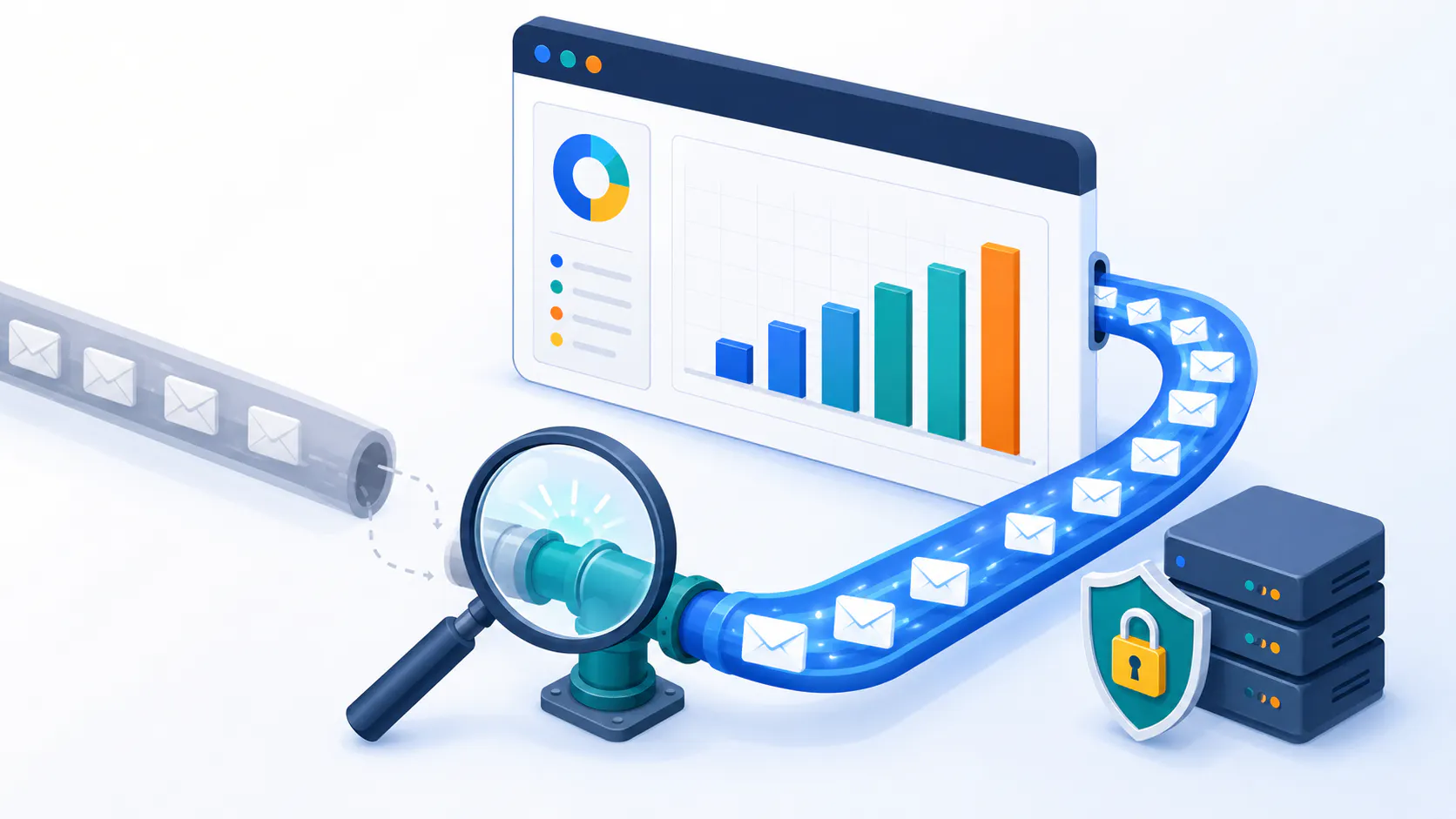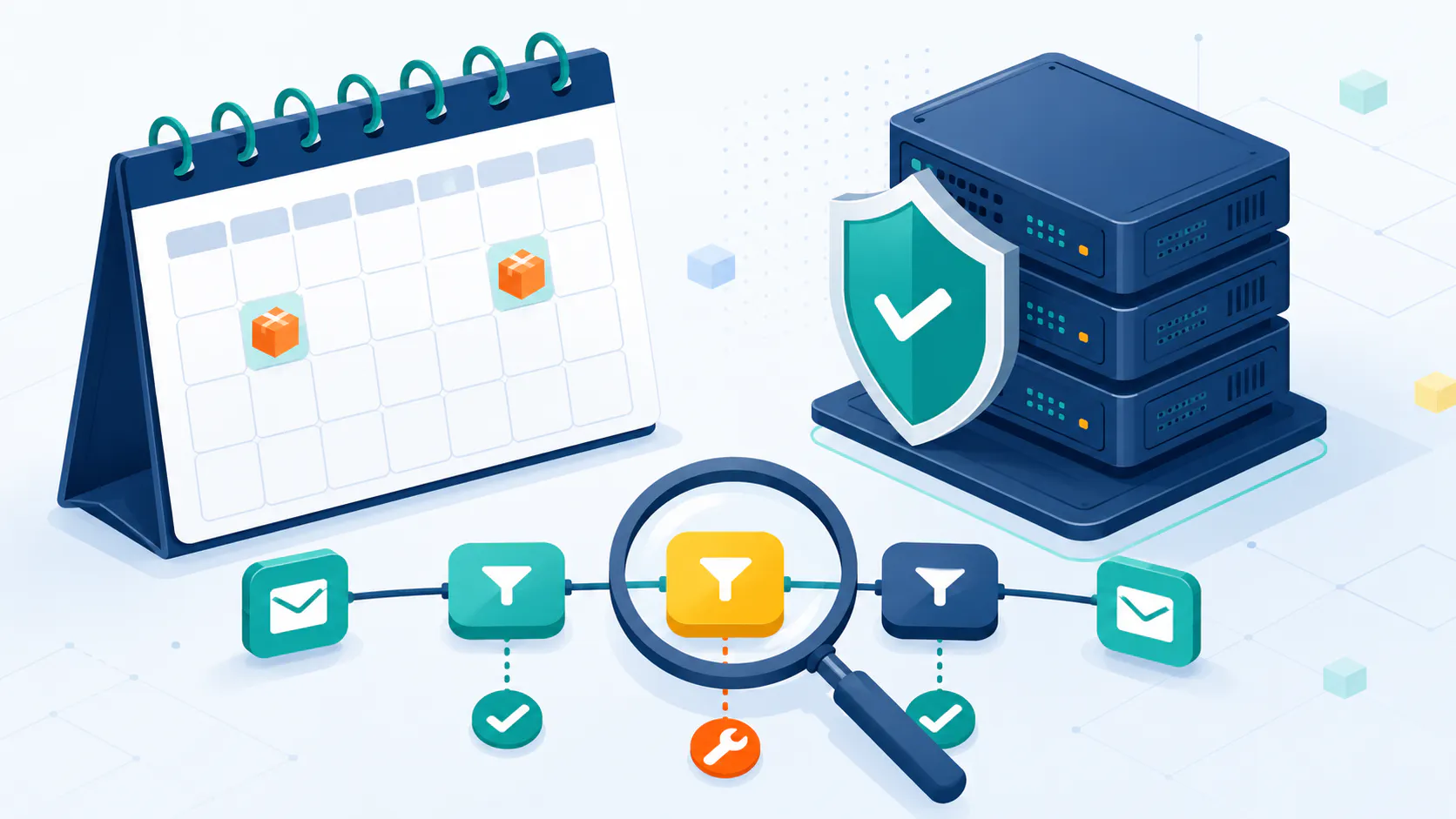

Struggling with bulk email deliverability and engagement? This definitive guide cuts through the noise. We’ll show you the essential bulk email best practices to boost your inbox rate, connect with your audience, and stay compliant. Learn to choose the right provider, build a quality list, craft engaging content, and maximize your email marketing results. Let’s get your emails delivered.
Understanding Bulk Email
An illustration depicting the concept of bulk email campaign.
Bulk email is a way to deliver emails to many people at once. It’s perfect for time-sensitive offers and important announcements, allowing you to reach your audience instantly. But bulk email is much more than just sending mass messages. It’s a powerful tool for building a loyal customer base and nurturing lasting relationships.
Engaging with your audience through regular bulk emails keeps them interested and encourages them to interact with your brand more often. Whether you’re sharing valuable content, exclusive promotions, or company updates, consistent communication strengthens your connection with subscribers.
One of the best things about bulk email is its cost-effectiveness. Compared to other advertising channels, bulk email requires fewer resources, making it an affordable and suitable practice for businesses of all sizes. Sending promotional messages through bulk emails is a proven way to drive sales and cultivate customer relationships.
Why Bulk Email Matters:
Build and Nurture Relationships: Bulk email allows you to cultivate lasting relationships with your subscribers. By providing valuable content and engaging offers, you can foster loyalty and encourage repeat business.
Drive Conversions: Promote your products or services directly to a targeted audience, generating leads and driving sales.
Increase Brand Awareness: Keep your brand top-of-mind by regularly delivering informative and engaging content to your subscribers.
Cost-Effectiveness: Compared to other marketing channels, bulk email offers a high return on investment. It requires minimal resources and can reach a large audience quickly and efficiently.
More Than Just Sending Emails:
Effective bulk email marketing goes beyond simply blasting out messages. It’s about understanding your audience, segmenting your list, and delivering personalized content that resonates with each recipient. When done right, bulk email can be a game-changer for your business growth.
Choosing the Right Bulk Email Marketing Provider
Image showing some of the most popular email marketing solutions.
Choosing the right bulk email provider is key to email marketing success. Sendloop, SendGrid, and ActiveCampaign offer cloud-based solutions, while Octeth provides on-premise solutions. Each has its own features, pricing, and benefits for different business needs.
When choosing a provider, consider deliverability rates, security protocols, scalability, and pricing. Strong security means emails get to the recipient’s inbox and aren’t marked as spam. Scalability means you can grow your subscriber list and send emails efficiently.
User-friendly interfaces and analytics tools are important for tracking success and making informed decisions. By understanding each provider’s features and pricing, businesses can choose a platform that fits their goals and email marketing strategy.
To help you find the perfect fit, we’ve curated these helpful guides:
Best Enterprise Email Marketing Software for 2025
Top 10 Best Email Newsletter Platforms of 2025
Best Email Marketing Software for Small Business: Top 2025 Picks
Building a Quality Email List
An illustration of a quality email list being built for effective email marketing.
Building a quality email list is crucial for successful mass email campaigns. Let’s learn how to secure explicit consent, maintain clean lists, and follow best practices to enhance deliverability and engagement, ensuring your messages reach the right audience effectively.
Double Opt-In Confirmation
Double opt-in confirmation requires subscribers to click a link in a confirmation email to verify their email address, ensuring they really want to receive your messages. This process cleans up your list and gets you better inbox placement by removing spambots and fake accounts. A user signs up, gets a confirmation email, and clicks a link to confirm their subscription.
To get the most out of double opt-in, make sure your confirmation email is clear and branded. Follow-up reminders can boost confirmation rates. This will clean up your list and improve your campaigns.
Importing Contacts Safely
Accurate data is key when importing contacts. Start by cleaning your list to remove invalid or duplicate addresses using Cleanify.io or a similar email verification tool. Sending to verified, opted-in people reduces deliverability issues and spam complaints.
Using double opt-in for imported contacts validates their interest. Follow these steps, and you can import contacts safely and have a high-quality list ready for mass email campaigns.
Email list verification tools, such as Cleanify.io, are indispensable.
Ensuring High Deliverability Rates
Deliverability is key to a successful high-volume email campaign. Using an email API means emails get to active addresses. Email authentication methods like SPF, DKIM and DMARC help verify you’re legit so your emails don’t end up in the spam folder. Full deliverability insights give you the full picture of email performance, including email API features.
Services like Octeth deliver high deliverability, so your emails land in the inbox, not the spam folder. Engage with your subscribers with double opt-in, and you’ll see more interaction and better performance. Sending at times based on recipient activity will boost engagement and performance.
Warming Up Your IP Address
Warming up your IP address is key to building a good sender reputation and signaling to ISPs that you’re legitimate. This process involves gradually increasing the email volume you send from a new IP address to build trust with ISPs. Monitoring recipient interactions like opens, replies, and forwards during the warm-up phase ensures positive engagement and helps you adjust your strategy.
A good IP warm-up plan prevents your emails from being marked as spam and increases delivery rates and the chance of inbox placement. Warming up your IP address properly is the foundation for successful mass email campaigns.
Implementing Email Authentication
Email authentication methods like SPF, DKIM, and DMARC help verify the sender’s identity. SPF (Sender Policy Framework) protects against email spoofing, which can harm your brand and sender reputation and negatively impact inbox placement rates. DKIM (DomainKeys Identified Mail) adds a digital signature to your emails, guaranteeing their integrity and authenticity.
DMARC (Domain-based Message Authentication, Reporting & Conformance) builds on SPF and DKIM by allowing senders to tell receivers how to handle unauthenticated emails. These authentication methods ensure your emails are recognized as legitimate, reducing the chance of being marked as spam and improving delivery rates.
Boost your email deliverability and avoid the spam folder with this guide: Top 14 Ways to Prevent Emails from Going to Spam
Understanding MX Priority for Bulk Email
MX (Mail Exchange) records are important for directing email traffic to the correct servers that process incoming emails. Priority values in MX records determine which server to contact first; lower numbers mean higher priority. Proper configuration of MX records ensures reliable routing of incoming mail, crucial for handling bounces and replies in mass email campaigns.
Misconfigured MX records can cause delivery issues and hurt your sender reputation and overall inbox placement. Setting up backup servers with higher priority values helps avoid downtime and ensures your emails always reach the recipient’s inbox.
For our tool to inspect your MX records, visit our MX Inspector website.
Email API
An Email API (Application Programming Interface) is a powerful tool that enables developers to seamlessly integrate email sending capabilities into their applications. By utilizing email API features, businesses can automate their email marketing campaigns, send transactional emails, and manage their email lists more efficiently. This integration allows for the customization of email workflows, ensuring that messages are tailored to meet specific business needs and audience preferences.
Furthermore, email APIs offer robust analytics and tracking features that help businesses monitor delivery rates, open rates, and engagement metrics in real-time. This data-driven approach empowers businesses to optimize their email strategies, enhance deliverability, and improve overall campaign performance.
With the ability to handle large volumes of emails and ensure they reach the recipient’s inbox, email APIs are an essential component for businesses looking to scale their email marketing efforts effectively. By leveraging email API features, companies can achieve higher success rates in their mass email campaigns, ensuring messages are delivered accurately and efficiently.
Ready to enhance your email marketing campaigns with Octeth’s powerful API features? Explore our comprehensive Email API documentation to get started today!
Create Engaging Bulk Email Campaigns
An engaging illustration representing the crafting of effective marketing emails for better engagement.
Writing a great bulk email is key to grabbing your audience’s attention and getting them to interact. By adding personal touches like the recipient’s name and references to previous interactions, you can create a connection that leads to more engagement. Email content relevance significantly impacts engagement rates and overall campaign performance. The key to great email messaging is a clear subject line, direct communication of goals, and a clear call to action.
Below, we’ll look at various ways to improve your email campaigns, including personalization techniques, subject lines, and design. By doing so, you and your team can improve subscriber experience, long-term engagement, and achieve your marketing goals.
Personalization Techniques
Personalisation in bulk email helps to get more customer engagement by allowing you to include information specific to each recipient. Addressing individual preferences and tailoring content to previous interactions, interests and purchase history can get you much higher engagement rates. Knowing your audience’s preferences allows you to create and send more relevant and effective messages.
Dynamic content, personalisation and targeted offers based on purchase history makes your emails more engaging and effective. By using these personalisation methods you’ll create a deeper connection with your contacts and get higher open rates and conversions.
Ready to take your personalization to the next level? Unleash the power of dynamic content personalization and transform your email campaigns today!
Effective Subject Lines
Subject lines are the first thing recipients see so it’s critical for increasing email open rates. Good subject line should be short and provide users with a sense of urgency or action to open the message. Testing variations of your subject line and call-to-action button will reveal what works best for your audience.
Now you can easily create variations of your email subject lines with our AI-powered Subject Line Generator. Click here to give it a try!
Short and A/B testing increases the chance of getting higher email open rates. Good subject lines that grabs attention and prompts action makes your mass email campaigns more effective.
You can learn how to create the perfect subject line in this guide: Boost Opens with the Best Email Subject Lines: Proven Strategies & Examples
Email Design
An illustration highlighting the importance of optimizing email design for engagement.
Effective email design captures attention and ensures your messages are impactful across devices and email clients. Key elements include:
Design ElementDescriptionResponsive LayoutEnsure mobile-friendly emails with designs that adapt to various screens, enhancing readability.Visual HierarchyUse clear headings and bullet points to guide readers and highlight important information.Compelling ImageryInclude high-quality, fast-loading images with alt text for accessibility.Consistent BrandingReinforce brand recognition with consistent use of colors, fonts, and logos.Clear CTADesign standout CTAs that prompt action using contrasting colors and actionable language.TestingTest designs across devices and email clients, using A/B testing to refine what works best.
Create email with these elements, to enhance engagement with customers and improve campaign performance.
For more tips continue reading here: How to Manage High-Volume Email Campaigns Effectively
Segmenting Your Email List
An illustration showcasing the process of segmenting a contact list for targeted marketing.
Segmenting your email list is a powerful way to make your bulk emails more effective. By splitting your list into smaller segments based on specific interest groups, demographics, and behavior, you can send targeted messages to specific audience groups. This targeted approach allows for more personalized communication, higher engagement rates, and better campaign performance.
Segmented email campaigns get much higher open rates than non-segmented campaigns. Knowing the specific needs and preferences of customers within your audience segments allows you to tailor messages to meet their expectations and get better results.
Ready to take your email segmentation strategy to the next level? Discover expert tips and techniques in our comprehensive guide on mastering email list segmentation and boost your campaign success today!
Dynamic Segmentation
Dynamic segmentation allows marketers to create categories for their subscribers based on behavior, preferences and demographics so they create more personalized and relevant communication. Methods like tracking user behavior, analyzing engagement metrics and leveraging subscriber preferences can enhance and support the dynamic segmentation process.
Tailoring messages to different subscriber groups increases engagement rates and email campaign effectiveness. Implementing dynamic segmentation correctly results to messages that resonates with targeted customers and ultimately drives higher engagement and revenue.
Optimizing Email Design and Functionality
An illustration highlighting the importance of optimizing email design and functionality.
Email design and functionality are critical to ensuring your emails are visually appealing and effective across all devices. Responsive design enhances readability on various devices, while interactive elements boost user engagement and experience.
Most email marketing platforms, such as Octeth and Sendloop, offer drag-and-drop builders and HTML editors, allowing you to craft visually compelling emails effortlessly. Testing emails before sending guarantees they display correctly across devices and email clients.
By focusing on design and functionality, you capture your audience’s attention and encourage interaction.
Responsive Design
With the increasing use of mobile devices, responsive design is essential for reaching your subscribers effectively. Responsive design ensures that your emails render correctly on all devices, improving user experience and engagement.
To optimize email layout for different screen sizes:
Consider A/B testing to determine which design elements work best for your audience.
Use fluid grids and flexible images that adjust automatically.
Employ media queries to apply specific styles for different devices, enhancing readability and aesthetics.
Test your email designs across various email clients and devices to identify and fix any rendering issues.
Interactive Elements
Adding interactive elements can boost user engagement within your emails. These elements allow for direct interaction within the email itself, making the experience more dynamic and engaging. Interactive features like polls, surveys, and carousels can make your emails more enjoyable and captivating for recipients.
By increasing user engagement through interactive elements, you can achieve higher open and click-through rates, ultimately leading to better campaign performance. These elements create a more immersive experience that grabs attention and prompts action.
Compliance with Email Regulations
Compliance with email message regulations is important so your bulk emails are legally sound and maintain customer trust. Regulations like CAN-SPAM and GDPR govern bulk email compliance, requires explicit consent and secure handling of personal data. Having an unsubscribe link in your emails is both a best practice and a legal requirement in many countries.
Clear unsubscribe links in emails builds customer trust and overall engagement. Non compliance with email regulations, like having an unsubscribe link, can result to heavy fines and damage to your company’s reputation. Following these regulations protects your business and builds trust with your subscribers.
Unsubscribe Options
Providing clear and straightforward unsubscribe options is essential for respecting your subscribers’ wishes and maintaining a positive sender reputation. A simple unsubscribe process allows users to manage their email preferences easily and demonstrates your commitment to transparency.
When implementing unsubscribe options:
Make it prominent: Ensure the unsubscribe link is clearly visible and easy to find within your emails.
Use a simple process: Avoid complicated or multi-step unsubscribe procedures that may frustrate users.
Offer preference options: Consider allowing subscribers to choose which types of emails they want to receive, giving them more control over their inbox.
By respecting your subscribers’ choices and making it easy for them to unsubscribe, you foster trust and improve your overall email marketing performance.
Analyzing and Iterating Campaigns
Analyzing and iterating your email campaigns is crucial for ongoing success. By closely monitoring performance metrics, marketers can quickly identify and address inbox placement issues and optimize strategies for better engagement.
Real-Time Analytics
Real time analytics gives you instant access to feedback on campaign performance so you can track and adjust your email marketing strategy in time. Real time tracking tools in bulk email services allows you to access and monitor engagement metrics and adjust accordingly.
Leveraging real-time analytics empowers you to:
Identify deliverability issues: Quickly spot potential problems with inbox placement and take corrective action.
Optimize email content: Track which content resonates most with your audience and adjust your messaging accordingly.
Improve sending times: Determine the optimal times to send emails based on recipient activity and engagement patterns.
Enhance your overall strategy: Make data-driven decisions to continually improve your email marketing efforts.
By staying informed about your campaign performance in real-time, you can ensure your email marketing strategy remains effective and aligned with your goals.
A/B Testing
A/B testing is a powerful technique for optimizing your email campaigns by comparing different versions to see which performs better. This allows you to make data-driven decisions about your email elements and refine your strategy based on real engagement data.
A/B testing can help you optimize various aspects of your emails, including:
Subject lines: Test different subject lines to see which ones generate the highest open rates.
Calls to action (CTAs): Experiment with different CTA button designs, placement, and wording to maximize click-through rates.
Email design: Test different layouts, colors, and visual elements to determine what resonates best with your audience.
Content variations: Compare different versions of your email content to see which one drives the most conversions.
Regular A/B testing allows you to continuously improve your email campaigns and achieve better results. This iterative approach keeps your email marketing strategy dynamic and responsive to your audience’s changing preferences.
Summary
Bulk email campaigns are all about mastering the fundamentals of email marketing and implementing best practices, from building a high-quality email list to crafting engaging content that reaches the inbox. Choosing the right email provider, implementing email authentication, and utilizing real-time analytics are crucial steps toward success.
Personalization, compelling subject lines, and dynamic segmentation help your emails stand out in crowded inboxes and drive engagement. Compliance with email regulations, such as CAN-SPAM and GDPR, protects your business and fosters trust with your audience.
By following the best practices outlined in this guide, you can create bulk email campaigns that drive engagement, achieve your marketing goals, and maximize the potential of email marketing to reach your customers and grow your business.
Ready to take your email marketing to the next level? Check out our blog post: How to Build and Scale Email Marketing to 5,000 Clicks Per Day: A Complete Technical Guide
Frequently Asked Questions
What are bulk emails? Bulk emails are used to send one message to a very large number of audience efficiently, increasing engagement and outreach. This helps streamline your marketing efforts and stay in touch with your recipients. Why is it important to choose the right bulk email provider? Choosing the right bulk email provider is important as this decision impacts your email marketing success directly. How do I avoid spam filters? To avoid spam filters, focus on building a good sender reputation. This means using a reliable email marketing service, verifying your emails with SPF, DKIM, and DMARC, and gradually increasing your sending volume. How often should I send bulk emails? The best sending frequency depends on your audience and what kind of content you share. You need to find a balance that keeps them interested without overwhelming them. Try experimenting with different frequencies and see how your audience responds. What is the difference between bulk email and email marketing automation? Bulk email is when you send a single email campaign to a large group of people all at once. Email marketing automation is when you set up automated email sequences that are triggered by specific actions or events, like when someone signs up for your list or abandons their shopping cart. What are some effective ways to personalize bulk emails? Use the recipient’s name, segment your list to send more targeted content, recommend products based on their past behavior, and even use dynamic content to show different things to different people within the same email.