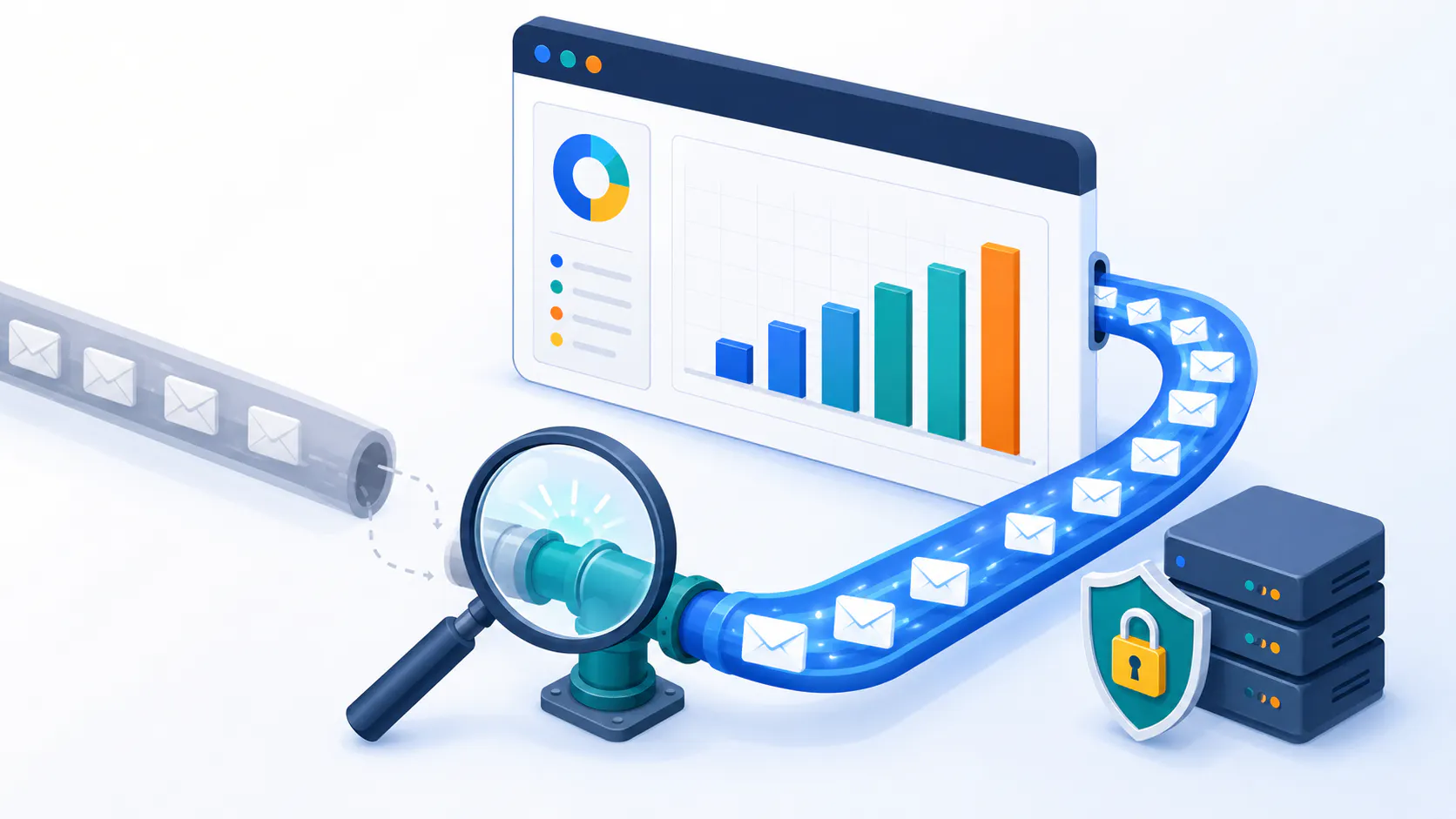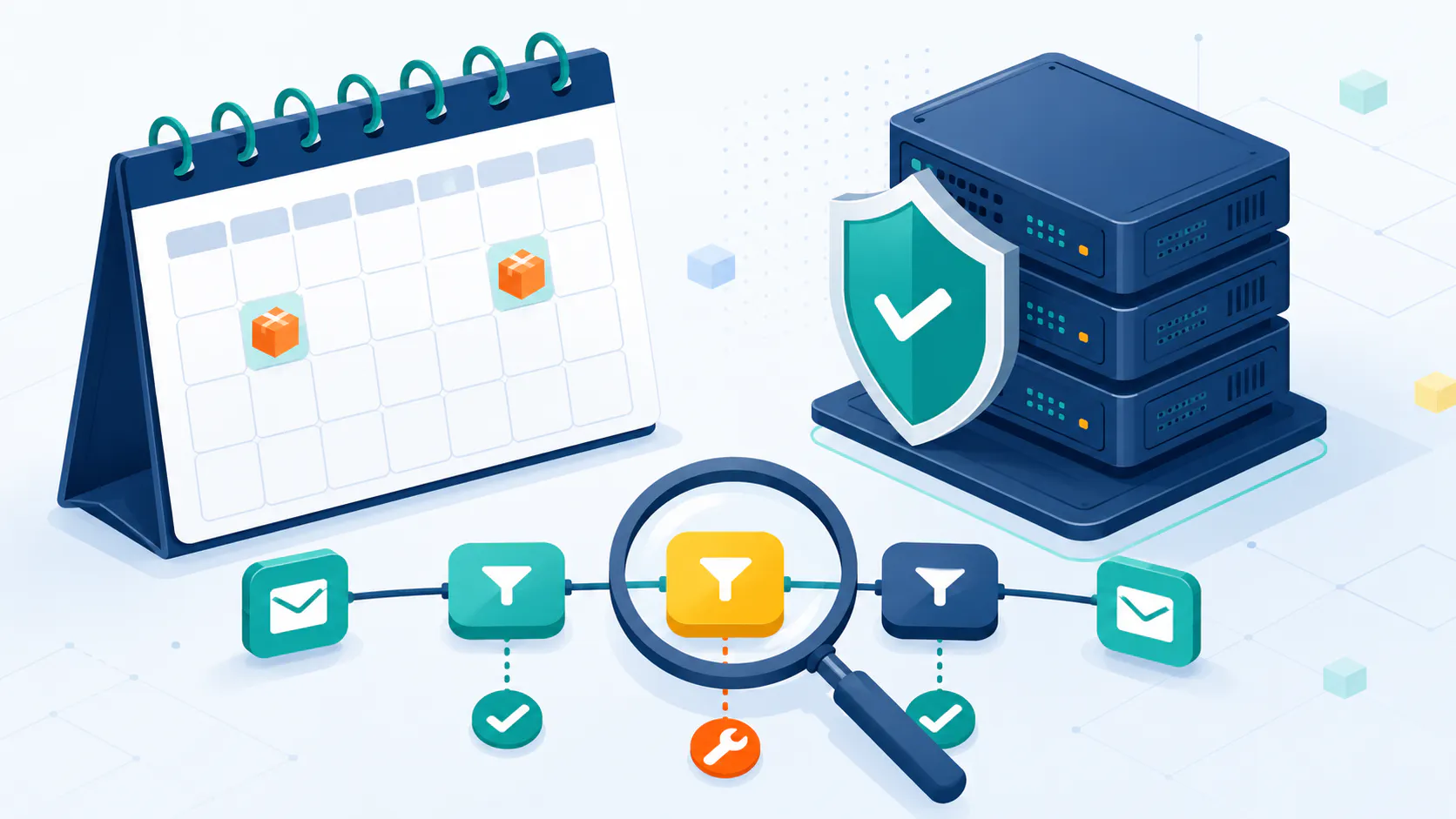

Valentine’s Day email analytics are key. By looking at the numbers you can see how your campaigns are performing, optimise your content and improve engagement and conversion rates. This post will go through the key metrics to track and tips for your Valentine’s Day email campaigns.
Valentine’s Day Email Analytics
A person checking Valentine’s Day email analytics with charts and graphs.
Understanding how your audience interacts with your Valentine’s Day emails is key to making them work. Email analytics gives you valuable insights into customer behavior so you can tailor your messages and increase engagement. Imagine knowing what types of valentine gifts your customers are interested in or which valentine best sellers they’re looking at—this is the power of email analytics.
Looking at data from previous campaigns helps marketers create better emails that resonate with their audience. For example if a previous campaign with a gift guide performed well you might do the same again this year and highlight the best valentine’s day gifts. Email analytics can supercharge your campaigns by giving you customer engagement insights.
Looking at metrics like bounce rate and unsubscribe rate can help you identify areas to improve. High bounces might mean your email list is messed up (here’s how you can fix it) and a spike in unsubscribes could mean your content isn’t resonating. Segmenting your email list by customer demographics, purchase history and engagement levels can also make a big difference when promoting valentine’s day gifts.
Also comparing your Valentine’s Day email performance to other holiday campaigns can give you valuable insights into customer preferences and seasonal trends. This comparison can help you hone your strategy and send emails your audience will love to open and engage with.
Why Valentine’s Day Email Marketing
Valentine’s Day is a big holiday for businesses especially those in e-commerce and retail. Email marketing is key to helping businesses cash in on this holiday by promoting their products and services to customers. A good email campaign can drive sales, increase engagement and make Valentine’s Day a memorable one for your customers.
For many Valentine’s Day is about thoughtful gifts, romantic gestures and celebrating love. This is an opportunity for businesses to connect with their audience on an emotional level. By using email marketing businesses can showcase their best valentine gifts, offer exclusive Valentine deals and provide personalized recommendations that speak to their customers desires.
Email marketing lets you talk directly to your audience so you can promote your Valentine specials and limited time deals. Whether it’s a classic gift like jewelry or a night in with a gourmet meal kit email campaigns can showcase many options to suit different tastes and preferences. This direct line of communication is key to driving sales and customer loyalty during Valentine’s Day.
Valentine’s Day Email Metrics
Tracking key performance indicators (KPIs) is important to measure the success of your Valentine’s Day emails. These metrics will give you a clear picture of how your emails are performing and where you can improve.
Let’s take a look at the top KPIs to track.
Open Rates
Open rates are the percentage of people who open your email and can be a good indicator of how good your subject lines are. A high open rate means your subject line worked and the recipient opened the email. Subject lines that create urgency or use emotional and themed content can really boost open rates.
Personalization can boost open rates too. Emails with personalized subject lines are more likely to be opened because they speak to the recipient. Good email segmentation means your content is relevant to the recipient’s demographics and preferences so they are more likely to open your email.
Click-Through Rates (CTR)
Click-through rate (CTR) is the percentage of people who clicked on a link in your email, so it’s a measure of engagement with your content. This is important to understand how well your email is driving traffic to your website or specific landing pages. CTR is calculated as all clicks or unique clicks divided by total emails sent x 100.
Conversion rates, tied to CTR, measure the percentage of people who take a desired action, such as buy. This KPI is influenced by your call-to-action (CTA). Clear CTAs can boost both CTR and conversion rates.
Conversion Rates
Conversion rates are a key metric to measure the success of your Valentine’s Day emails. This KPI is the percentage of people who take a desired action, such as buy or sign up to an event. The formula to calculate conversion rates is: number of people who took the desired action / total emails sent x 100.
Personalization can boost conversion rates. Segmenting emails to individual preferences and providing personalized recommendations can increase customer engagement. Suggesting valentine gift ideas based on past purchases makes your email more relevant and convertible.
Benchmarking Valentine’s Day Email Performance
Benchmarking Valentine’s Day email performance with key metrics.
To really see how well your Valentine’s Day emails are performing, you need to benchmark against industry standards and past performance. Industry benchmarks give you average open rates, click through rates, conversion rates and other KPIs for different sectors like retail, hospitality and travel. This is a useful reference point to set realistic goals and measure success.
General benchmarks: Aim for open rates around 21%, click-through rates around 2.6%, and conversion rates of 2-5%.
Valentine’s Day boost: Expect a 10-20% increase in opens and 5-15% increase in clicks compared to other periods.
Industry variations: Retail sees higher engagement (20-25% open rates, 3-5% CTRs), while hospitality (18-22% opens, 2-4% CTRs) and travel (15-18% opens, 2-3% CTRs) also see increases.
Year on year comparisons will help you spot trends and areas for improvement. Looking at how your key metrics have changed since last year’s Valentine’s Day campaign will give you insight into what worked and what didn’t. For example, looking at the best valentine’s day gifts in your emails will show you what products resonated with your audience. This historical context will inform your strategy and help you refine it.
Competitor analysis can also be a useful benchmark. Comparing yourself to competitors will show you where you can outperform them and get ahead. Company size, email list quality and campaign budget will all impact these benchmarks so make sure you take these into account when setting your goals.
Setting your goals based on benchmark data means your Valentine’s Day emails will be both stretching and achievable. Use resources like email marketing platform reports, industry studies and marketing blogs to find benchmark data and inform your strategy.
Optimizing Email Campaigns for Valentine’s Day
To make the most of Valentine’s Day email marketing, businesses need to optimize their campaigns to resonate with their target audience. Here are some tips to help businesses optimize their email campaigns:
Crafting Effective Subject Lines and Email Content
Use attention-grabbing subject lines: Incorporate relevant keywords such as “Valentine’s Day Gifts” or “Last-Minute Valentine’s Day Deals” to capture the recipient’s attention. A compelling subject line can significantly increase open rates, making it more likely that your message will be seen.
Create visually appealing content: Ensure your email content is engaging and relevant to the holiday. Use high-quality images of your products, such as a beautifully arranged bouquet of flowers, to entice customers.
Personalize your emails: Address customers by name and tailor the content to their preferences. Personalized emails feel more intimate and can increase engagement. For example, suggest a perfect gift based on their past purchases or browsing history.
Include a clear call-to-action (CTA): Encourage customers to make a purchase or visit your website with a strong CTA. Whether it’s “Shop Now” or “Discover the Best Valentine’s Day Gifts,” a clear and compelling CTA can drive conversions.
Timing and Frequency of Email Campaigns
Send emails in advance: Start your email campaigns well before Valentine’s Day to give customers ample time to make a purchase. Early promotions can capture the attention of planners who like to shop ahead.
Maintain engagement with multiple campaigns: Consider sending a series of emails leading up to Valentine’s Day to keep customers interested. For instance, you could start with a gift guide, followed by a reminder of exclusive deals, and finally, a last-minute shopping alert.
Use automation tools: Schedule your email campaigns to ensure they are sent at optimal times. Automation tools can help you manage the timing and frequency of your emails, ensuring they reach your audience when they are most likely to engage.
You can find a detailed week-by-week Valentine’s Day email strategy guide by clicking here.
Using Personalization to Hit the Mark This Valentine’s Day
Personalized Valentine’s Day gifts displayed creatively.
The secret to making your Valentine’s Day email campaigns pop is personalization. Personalized, segmented and targeted email campaigns will get you 17% more revenue than generic ones. Analyze past purchase behavior to create personalized recommendations of top valentine gifts that speak to each individual customer.
Tailored messaging for different relationships is key. Create different email messages for different customer segments, new relationships, long term relationships or Galentine’s Day to celebrate love. Everyone is looking for the best valentine’s day gifts and you can help them. Interactive content like quizzes, polls or surveys related to Valentine’s Day will increase engagement and gather valuable data on customer preferences.
Dynamic content allows you to personalize email elements like subject lines, product recommendations, Valentine day special offers and Valentine markdowns based on individual subscriber preferences and behavior. Create personalized gift guides based on recipient interests, price range or relationship status to help them find the perfect Valentine’s Day gifts. Personalized valentine’s day special recommendations based on past purchases or browsing history will make your emails more relevant and drive valentine sales.
Reward your loyal customers with exclusive valentine’s day specials, valentine’s day markdown or early access to sales to show you care and encourage repeat business. Send targeted “last chance” valentine’s day deals to subscribers who have shown interest in specific products to nudge them to buy. Use subscriber names or other personal details in subject lines to increase open rates and engagement. And consider the best valentine gift to make the overall shopping experience better.
Personalize Your Valentine’s Day Gift Recommendations
In the world of Valentine’s Day email campaigns, personalized gift recommendations (including those that can be gifted as subscriptions) are key to improving conversion rates and click-through rates. By using data from past purchases, website activity and A/B testing you can tailor your gift suggestions to different customer segments and drive more engagement and sales.
Using Data for Personalization
Data driven insights allow you to create v-day gift guides that are tailored to your audience. For example, past purchase behavior can show you what products a customer likes, so you can recommend a timeless gift that fits their style. Website activity can further refine these suggestions by showing you what they’ve looked at, and A/B testing can show you what recommendations drive the most engagement.
Data-Driven best Valentine’s Day Gifts Suggestions
Chocolate Lovers: For those who can’t resist a sweet treat, suggest a dark chocolate kit that includes two servings of gourmet delights. Pair it with a wine bottle for a romantic evening, or a silver bracelet to add a touch of elegance.
Homebodies: Cater to those who cherish a cozy evening in with a candle that fills their home with a soft glow and a scrapbook to capture wonderful memories. Suggest a meal kit that comes with an additional fee for a gourmet experience or a vase filled with roses to brighten their space.
Adventurers: For the thrill-seekers, recommend a fun adventure box that includes a morning hike with friends, a picnic filled with cheese and wine, and a cute photo session to document their day. A romantic bouquet can be a delightful surprise for their loved one.
Friend Groups: Encourage group bonding with a kit that includes three sizes of matching socks or a charming jewelry piece. A store-bought bouquet can be a sweet gesture, and a scrapbook filled with photos of their shared experiences makes for a perfect gift.
Family-Oriented: For those who prioritize family, recommend a meal box that involves the kids in cooking, complete with a selection of food and wine to enjoy together. A vase of roses can add a touch of elegance to their table setting.
Email KPIs
Segment your list with these data driven insights and deliver personalized content with thoughtful gifts that will resonate with each recipient, increase click through rates and conversion rates. Personalization makes your emails more relevant and builds a deeper connection with your audience so your Valentine’s Day campaigns are full of delight and engagement on this special day to celebrate love.
Personalization is the key to recommending the perfect gift for every recipient whether they want a romantic evening with their partner or a fun day with friends.
To learn about email segmentation and personalization for Valentine’s Day in detail, continue reading here.
A/B Testing Your Valentine’s Day Campaigns to Celebrate Love
A/B testing process for Valentine’s Day email campaigns.
The A/B testing, or split testing, is a great way to optimize your Valentine’s Day emails. Comparing different versions of your emails will show you what works and what doesn’t.
This will help you refine your strategy and make sure your campaigns are as good as they can be.
Testing
Test your Valentine’s Day emails by focusing on variables like subject lines, valentine promotion offers and call-to-action buttons. Start with simple subject line tests and work your way up to other elements as you get more comfortable with the process. Make sure you have a clear hypothesis and specific metrics to measure success based on the changes you expect.
Using A/B testing tools allows you to test multiple email versions at once, making the testing process easier. Tools like Octeth have real-time analytics and A/B testing features to help you optimize your emails.
Results
After you’ve run your A/B tests, you need to analyze the results to see which version won and why. This will give you insights into subscriber behaviour to inform your future email marketing. Focus on key metrics like open rates, click-through rates and conversion rates to see which email version works best for your audience.
Mobile Optimization for Valentine’s Day Emails
Mobile optimization for Valentine’s Day emails showcased on devices.
In this mobile first world, your Valentine’s Day emails have to be a must have mobile optimised. Many will be checking their emails on their phones so you need to use responsive email templates that work across all screen sizes. Here are some Valentine’s Day email templates that convert and are mobile responsive.
Let’s explore how you can make your emails mobile-friendly.
Responsive Design
Responsive design is all about creating emails that adapt to different screen sizes and provide a consistent user experience across devices. By optimising your emails for mobile you ensure your content is readable and engaging regardless of whether the recipient is using a phone, tablet or desktop.
Poorly formatted emails on phones will decrease engagement as users can’t read and interact with them. Neglecting mobile optimisation will alienate a big chunk of your audience so responsive design is key in your Valentine’s Day email campaigns.
Mobile-Friendly CTAs
Clear and compelling call-to-actions (CTAs) are crucial for enhancing click-through rates in your Valentine’s Day emails. Crafting engaging CTAs that resonate with Valentine’s themes can significantly improve engagement, especially for a cozy night. Ensure that your CTA buttons are sufficiently large for easy tapping on touchscreens, minimizing user frustration.
Crafting clear and clickable CTA buttons is key to increasing engagement in mobile emails. Making the call to action performable on mobile and the email format look tidy on mobile screens improves the user experience and drives more conversions.
Email Analytics Tools
Email analytics tools are essential for measuring the success of your Valentine’s Day email campaigns. These tools give you detailed insights into engagement metrics so you can see what content works with your audience.
Let’s explore some popular email analytics tools and how integrating them can enhance your campaigns.
Popular Tools
There are several powerful email analytics tools available that can help you optimize your Valentine’s Day email campaigns. Octeth is a robust on-premise email marketing solution that offers advanced automation tools, sophisticated reporting, and comprehensive email list management.
Sendloop focuses on deliverability and performance tracking, providing detailed reports on email opens, clicks, bounces, and unsubscribes. Mailchimp is another popular option, offering A/B testing, segmentation, and automation features that make it easy to track the performance of your campaigns.
Other notable tools include Campaign Monitor, known for its user-friendly interface and powerful analytics capabilities, and ActiveCampaign, which allows for detailed tracking of subscriber behavior.
Integrating Tools
Integrating email analytics tools with other platforms can enhance your Valentine’s Day email campaigns. For instance, integrating your email platform with a customer loyalty program can offer exclusive rewards to engaged subscribers, while a CRM integration can personalize emails based on customer preferences and purchase history.
Enhanced segmentation is another benefit of integrating tools, allowing you to create more sophisticated segments for your campaigns. Automated workflows triggered by specific actions or behaviors can also improve your campaigns, such as sending personalized follow-up emails to customers who abandoned their shopping cart.
Improved reporting and analysis through integrated tools provide a holistic view of your campaign performance, helping you optimize for better results.
Common Mistakes and How to Avoid Them
V-Day email campaigns often face pitfalls that can significantly decrease their effectiveness during a valentine’s day celebration. Ignoring these pitfalls can lead to missed opportunities and poor campaign performance, especially when considering the right valentine’s day gift.
Let’s delve into some common pitfalls and how to avoid them.
Not Looking at Data
One of the biggest mistakes marketers make is not looking at data. Reviewing key metrics regularly and acting on analytics is key to continuously improving your email campaigns. Tracking the unsubscribe rate helps you see how many people unsubscribed after opening an email, so you know there’s an issue with the email content.
Looking at unsubscribe data and other key metrics helps you see trends and inform your Valentine’s Day email strategy. This forward thinking approach means your campaigns are always evolving and getting better.
Ignoring Mobile Users
Not optimizing for mobile can leave out a big chunk of your audience as many shoppers use mobile to buy Valentine’s gifts. Not optimizing emails for mobile can mean a bad user experience and lower engagement.
Avoid this by using responsive email design so emails display correctly on all devices. Test your emails on different screen sizes before sending.
Not Segmenting
Sending blanket Valentine’s Day emails to your whole list can mean lower engagement and conversions. Segmenting your email list by demographics, purchase history and engagement levels means you can send targeted and relevant messages to your audience.
Sending to specific segments increases engagement and conversions, so your campaigns will be better.
Bad Subject Lines
Uninteresting or irrelevant subject lines will get low opens. A/B test different subject lines to see what works best with your audience.
Personalization and urgency in your subject lines will get attention and increase opens making your emails more likely to be read and engaged with.
No Personalization
Not personalizing your Valentine’s Day emails will make them feel generic and less effective. Use dynamic content to personalize messages based on recipient preferences and past behavior, gifts and flowers.
Including recommendations and offers in your emails will make them more relevant and more likely to be engaged with.
Sending Too Much
Sending too many emails will get unsubscribes and decreased engagement. To avoid this trap, find the balance between staying top of mind and respecting your subscriber’s inbox space.
Use email frequency preferences to let subscribers choose how often they want to hear from you, so your emails are welcome not resented.
Not A/B Testing
Not testing means missing out on opportunities to optimize email elements and improve campaign performance. Test different elements like subject lines, CTAs and email content to see what works best.
Testing and refining your emails means your campaigns are always getting better and delivering better results.
Ignoring Deliverability Issues
High bounces and spam complaints will hurt your sender reputation and deliverability. Monitor deliverability metrics, keep your email list clean and use email authentication tools to stay compliant.
Conclusion
Valentine’s Day email campaigns offer a golden opportunity for businesses to connect with their audience and boost sales. By leveraging key metrics like open rates, click-through rates, and conversion rates, businesses can optimize their strategies and deliver engaging, personalized content. Now that you’re ready for Valentine’s Day, you might also want to check out Post-Valentine’s Day Email Marketing Strategies for Boosting Revenue.
Frequently Asked Questions
What are the key metrics to track for Valentine’s Day email campaigns? To ensure the success of your Valentine’s Day email campaigns, it’s crucial to track key performance indicators such as open rates, click-through rates (CTR), conversion rates, bounce rates, and unsubscribe rates. These metrics will help you understand audience engagement and identify areas for improvement. How can personalization enhance Valentine’s Day email marketing? Personalization can significantly boost engagement and conversion rates. By tailoring emails to individual preferences and past behaviors, you create a more relevant and appealing experience for recipients. This includes personalized subject lines, customized gift recommendations, and dynamic content based on subscriber data. What strategies can improve open rates for Valentine’s Day emails? To improve open rates, focus on crafting compelling subject lines that evoke emotion or urgency. Incorporate relevant Valentine’s Day keywords and personalize the subject line to resonate with the recipient. A/B testing different subject lines can also help determine the most effective approach. How can I benchmark my Valentine’s Day email performance? Benchmark your performance by comparing your metrics against industry standards and past campaigns. This helps set realistic goals and identify areas for improvement. Consider competitor analysis and use email marketing platform reports to gain further insights. What tools can assist with Valentine’s Day email analytics? Popular email analytics tools include Octeth, Sendloop, Mailchimp, Campaign Monitor, and ActiveCampaign. These tools offer features like A/B testing, segmentation, automation, and detailed reporting to help optimize your Valentine’s Day email campaigns.